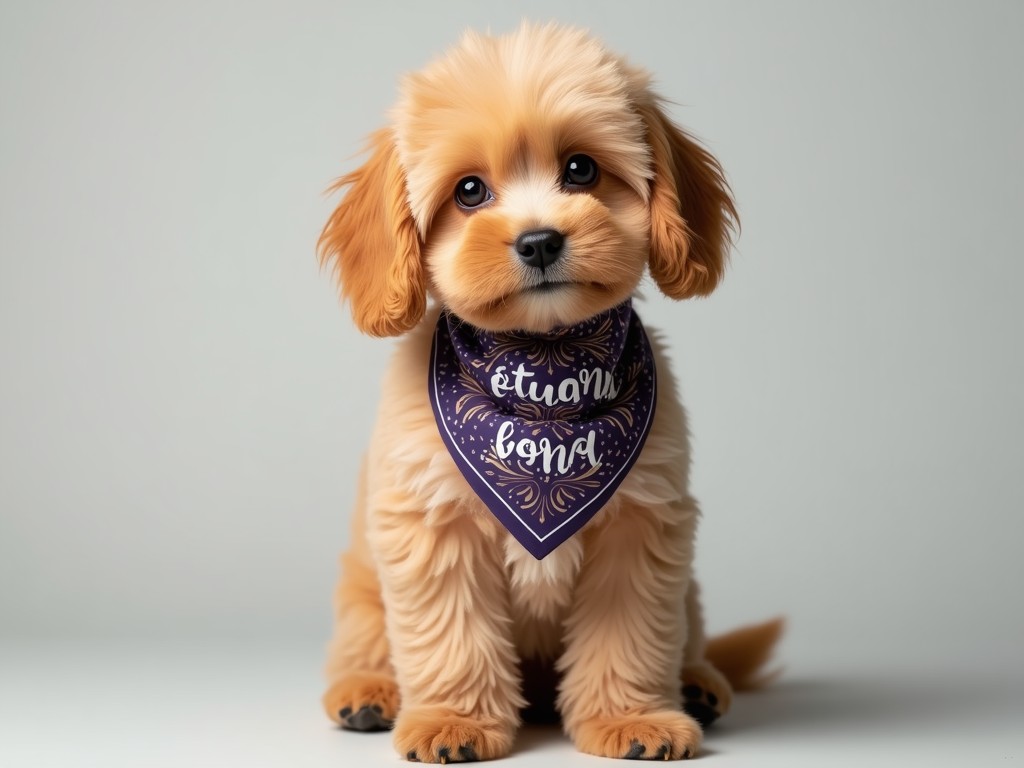
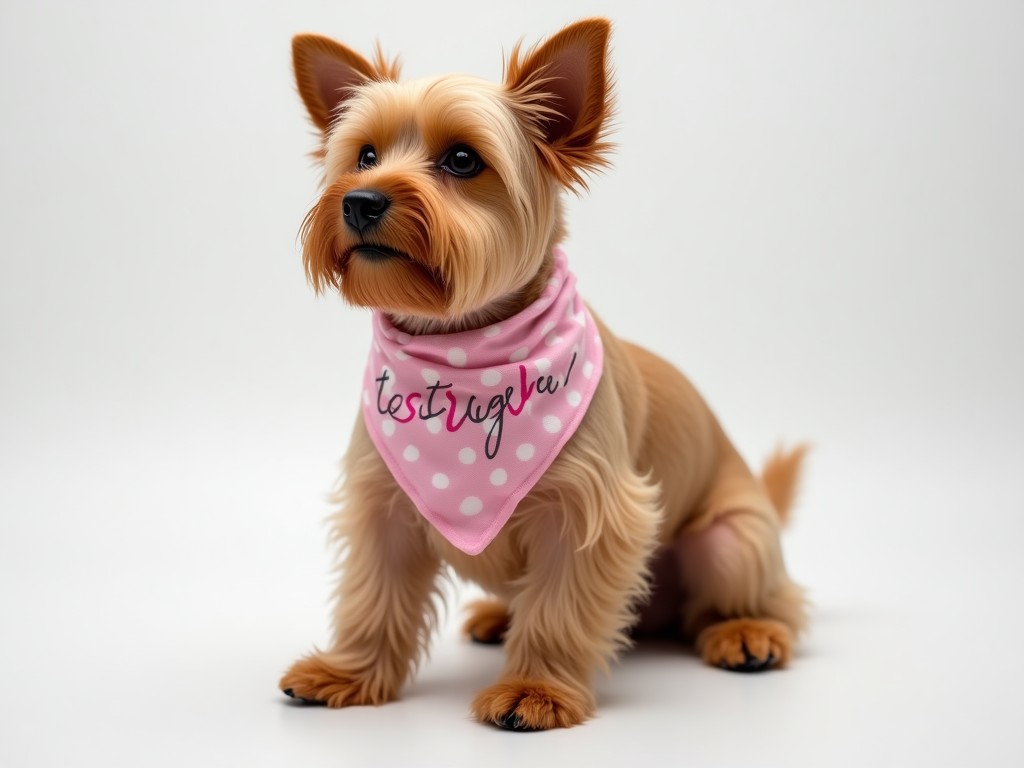
Wholesale Puppy Bandanas For Dogs Suppliers
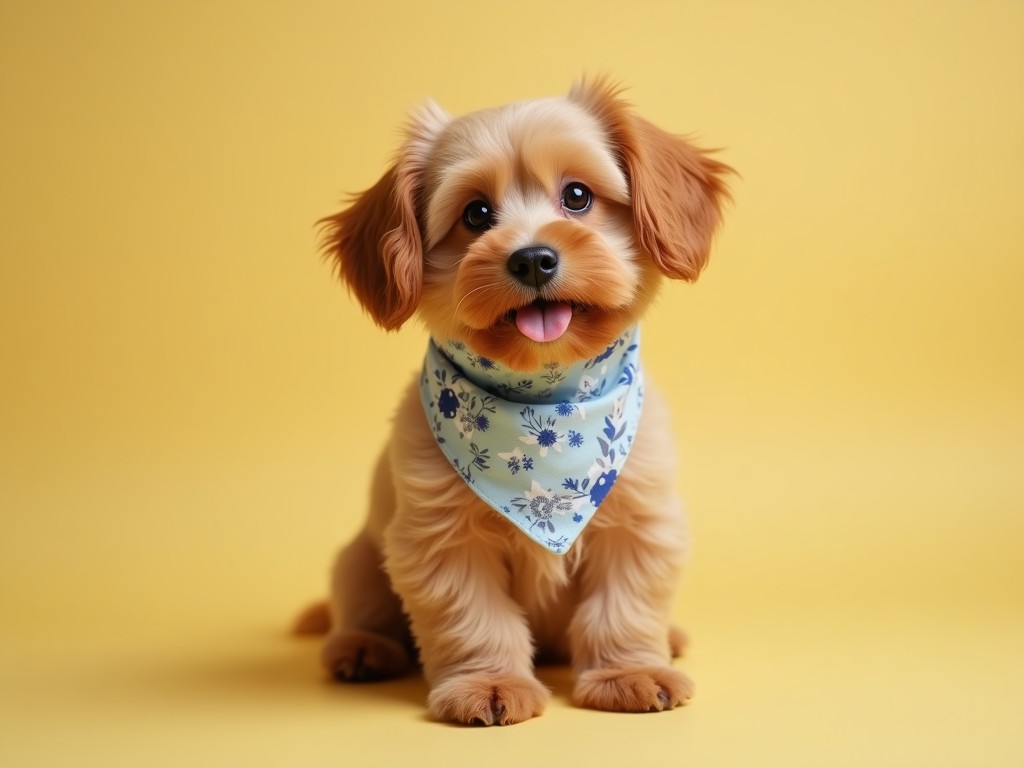
wholesale puppy bandanas for dogs suppliers
Sourcing wholesale-grade puppy bandanas requires a technical evaluation of textile properties and manufacturing scalability to ensure product consistency across high-volume orders. For procurement managers and distributors, the focus lies on balancing aesthetic appeal with the physical demands of juvenile dogs, who possess sensitive skin and high activity. A reliable supplier must provide detailed specifications regarding fabric weight, dye safety, and structural integrity to minimize post-purchase returns.
The supply chain for pet accessories involves complex variables, from raw material procurement to the precision of printing techniques. Understanding the differences between various fiber compositions allows buyers to predict how the product will perform under mechanical stress or after multiple industrial-wash cycles.
Material Selection and Textile Durability
The performance of a bandana is primarily dictated by its Grams per Square Meter (GSM), which determines the drape and durability of the fabric. Puppy-specific items typically range from 120 GSM to 180 GSM to ensure they remain lightweight for smaller animals while maintaining enough thickness prevent tearing. 100% cotton is often preferred for its hypoallergenic properties and breathability, whereas polyester blends are utilized when moisture resistance and faster drying times are prioritized.
Shrinkage control is another critical metric for wholesale buyers. High-quality manufacturing involves pre-shrinking processes to ensure that the dimensions of the bandana remain consistent after the first consumer wash. Without this step, a cotton-based product may lose up to 5% of its size, leading to fit issues for the end-user.
| Material Type | Technical Characteristics | Typical Application |
|---|---|---|
| 100% Organic Cotton | High breathability, hypoallergenic, high moisture absorption. | Premium sensitive-skin lines |
| Pol-Cotton Blend | High tensile strength, wrinkle-resistant, vibrant color. | High-durability outdoor gear |
| Microfiber Polyester | Soft hand-feel, lightweight, quick-dry. | Luxury-tier pet accessories |
Customization Options and Manufacturing Processes
OEM buyers often choose between different printing methods to achieve specific branding goals. Sublimation printing is ideal for complex, multi-colored digital designs because the ink gas-phases into the polyester fibers, preventing cracking or peeling. In contrast, screen printing is more cost-effective for limited-color logos on large volumes, providing a tactile ink layer that sits on the surface.
Structural customization also impacts the product's perceived value. Overlock stitching at the edges prevents fraying, which is a common failure point in low-quality band. For higher-end retail applications, heat-cut hems or sewn-edge bindings provide a professional finish that extends the lifecycle of the garment in the field.
Quality Control and Inspection Standards
Rigorous quality control is non-negotiable when dealing with pet products. Suppliers should conduct dye migration testing to ensure that colors do not transfer onto the dog's fur or skin, cause irritation. Furthermore, tensile strength tests are performed on seams to ensure they can withstand the pulling forces of an active puppy during play.
Inspection protocols typically include color consistency matching across batches using spectrophotometers. This ensures that the "navy blue" ordered in the first shipment is identical to the "navy blue" produced six months later, maintaining brand integrity for the retail distributor.
Logistics and Supply Chain Management
Efficient logistics management requires understanding Minimum Order Quantities (MOQ) and production lead times. Standard production for wholesale bandanas usually takes 15 to 30 days, whereas custom OEM orders may extend this timeline due to tooling and approval phases. Suppliers providing transparent timelines allow distributors to manage inventory levels and avoid stockouts.
Packaging strategies also play a role in transit-related damage. Individual polybagging protects against moisture during sea freight, while bulk packing in corrugated cartons reduces shipping costs for distributors who perform their own final-packaging.
Frequently Asked Questions
What is the typical MOQ for custom printed bandanas?
Typical MOQs range from 500 to 1,000 units per design, depending on the printing method (screen print vs. sublimation) and fabric availability.
Can you provide non-toxic dye certifications?
Yes, professional suppliers utilize OKO-TEX certified dyes or REACH-compliant materials to ensure the products are safe for constant contact with animal skin.
How are lead times calculated for international shipments?
Lead times include production time (2-4 weeks), quality inspection (3 days), and transit time (30 days for sea freight, 7 days for air).
Are you looking to scale your pet accessory line with technical-grade manufacturing?
Request a Technical Quotation