Wholesale Personalised Dog Scarf Bandana Factory
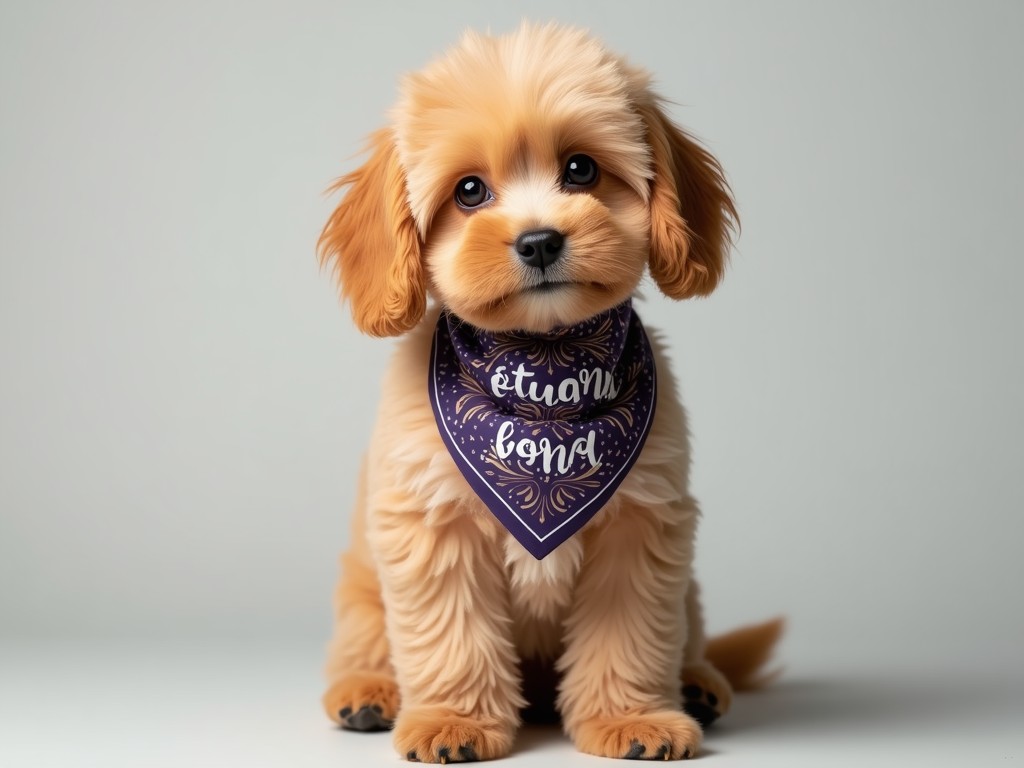
Wholesale Personalised Dog Scarf Bandana Factory
Industrial-scale production of personalized pet accessories requires a precise integration of textile engineering and high-definition printing technology. A specialized manufacturing facility must manage complex variables including fabric tensile strength, dye stability, and structural integrity to ensure brand consistency across high-volume orders. Our infrastructure is designed to provide scalable solutions for retail brands, distributors, and OEM partners who require durability alongside exact aesthetic execution.
Material Selection and Fabric Specifications
The choice of base textile dictates the breathability and thermal regulation of the bandana. Standard applications typically utilize 100% cotton twill, ranging from 120 GSM to 200 GSM (grams per square meter), to ensure hypoallergenic properties for sensitive pet skin. For high-durability environments or frequent outdoor use, synthetic polyester microfiber blends offer superior moisture-wicking capabilities and resistance to mechanical abrasion.
Fabric density significantly influences the clarity of the personalization process. A tighter weave prevents ink bleeding during the sublimation process, ensuring that sharp edges in logos or text remain defined. We evaluate each batch based on shrinkage rates—typically targeting a sub-3% variance after industrial laundering—to maintain dimensional accuracy.
- Organic Cotton Twill: Ideal for premium retail lines focusing on natural fibers.
- Polyester Mesh: Optimized for vibrant, full-color digital prints and rapid drying.
- Bamboo Viscose: Provides natural antimicrobial properties and a soft hand-feel.
Customization Methodologies
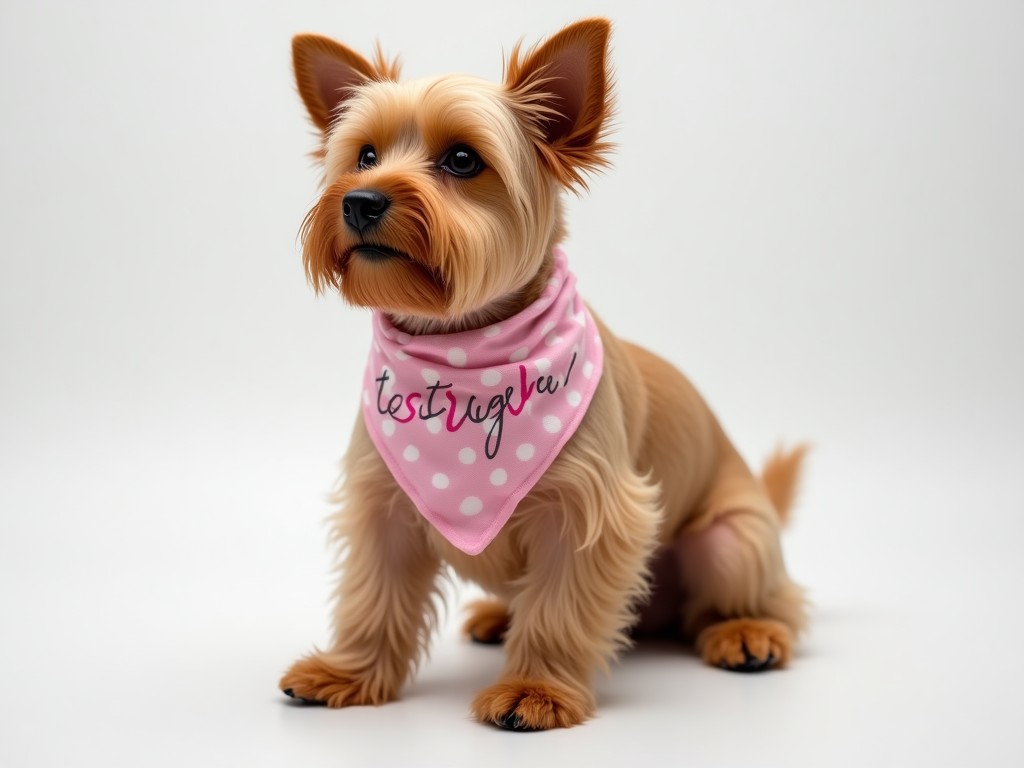
Personalization is achieved through distinct industrial printing methods depending on the design complexity. Digital sublimation is the standard for complex, multi-color gradients because the ink is gasified and bonded directly into the synthetic fibers. This results in a print that will not crack, peel, or fade over time.
For single-color logos or high-volume runs, screen printing offers a more cost-effective alternative while maintaining high ink opacity. When clients require a tactile element, high-density embroidery is applied to specific areas, providing high-end branding markers. Each method is monitored for tension control to prevent fabric puckering during the heat-setting phase.
Technical Specifications
| Feature | Standard Specification | Customizable Option |
|---|---|---|
| Fabric Weight | 140 - 180 GSM | Up to 250 GSM |
| Dimensions (Standard) | 45cm x 45cm / 55cm x 55cm | Breed-specific sizing |
| Stitching Type | Overlock / Safety Stitch | Hem-rolled edge |
| Closure Mechanism | Slide-through pocket | Velcro / Snap / Button |
Quality Control and Inspection Standards
Quality assurance involves a multi-stage inspection protocol to ensure every unit meets industrial-grade standards. This includes seam strength testing to ensure the overlock can withstand the mechanical stress of an active animal. Colorfastness is also tested using ISO standards to verify that dyes do not transfer to fur or fade during repeated washing.
Dimensional tolerance is monitored across the production run to ensure uniform sizing within a +/- 1cm margin. Final inspection includes checking for fabric defects, loose threads, or print inconsistencies that could compromise the brand's visual identity.
Industrial and Commercial Applications
Commercial entities utilize personalized bandanas for various strategic purposes beyond simple pet wear. For retail chains, these items serve as high-margin impulse purchases that reinforce brand loyalty through consistent-quality merchandise. In corporate and event sectors, they function as high-visibility marketing tools during pet expos or promotional gatherings.
Veterinary clinics and rescue shelters often adopt these products for patient identification, color-coding temperament, or adoption branding. The durability of the factory-produced material ensures these functional tools remain effective and professional throughout the lifecycle of the product.
Frequently Asked Questions
What is the minimum order quantity (MOQ) for custom designs?
MOQs typically vary based on the printing method; digital sublimation often starts at lower volumes, while screen printing requires higher volumes to justify the setup costs.
What is the typical production lead time for wholesale orders?
Standard production cycles range from 15 to 30 days depending on order volume and the complexity of the customization requirements.
How are export shipments protected from moisture?
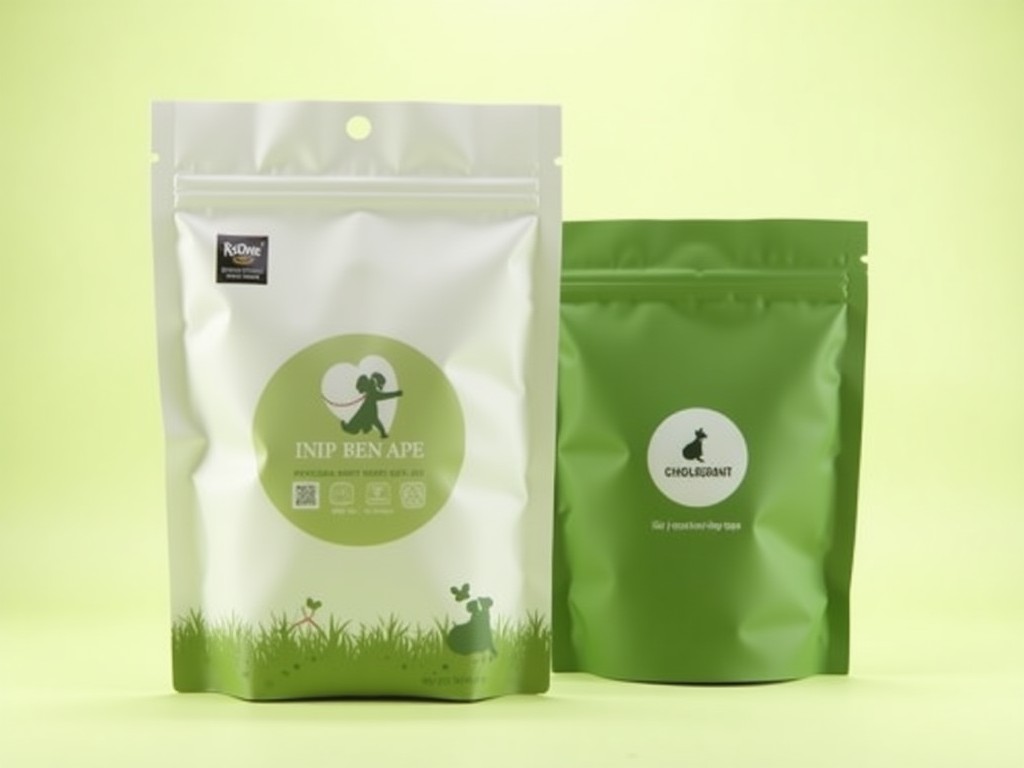
Orders are packed in moisture-barrier polybags and reinforced with corrugated cardboard boxes to prevent damage or contamination during international transit.
Ready to discuss technical specifications for your next pet accessory line? Contact our engineering team for a detailed quote.
Request a Technical Quotation