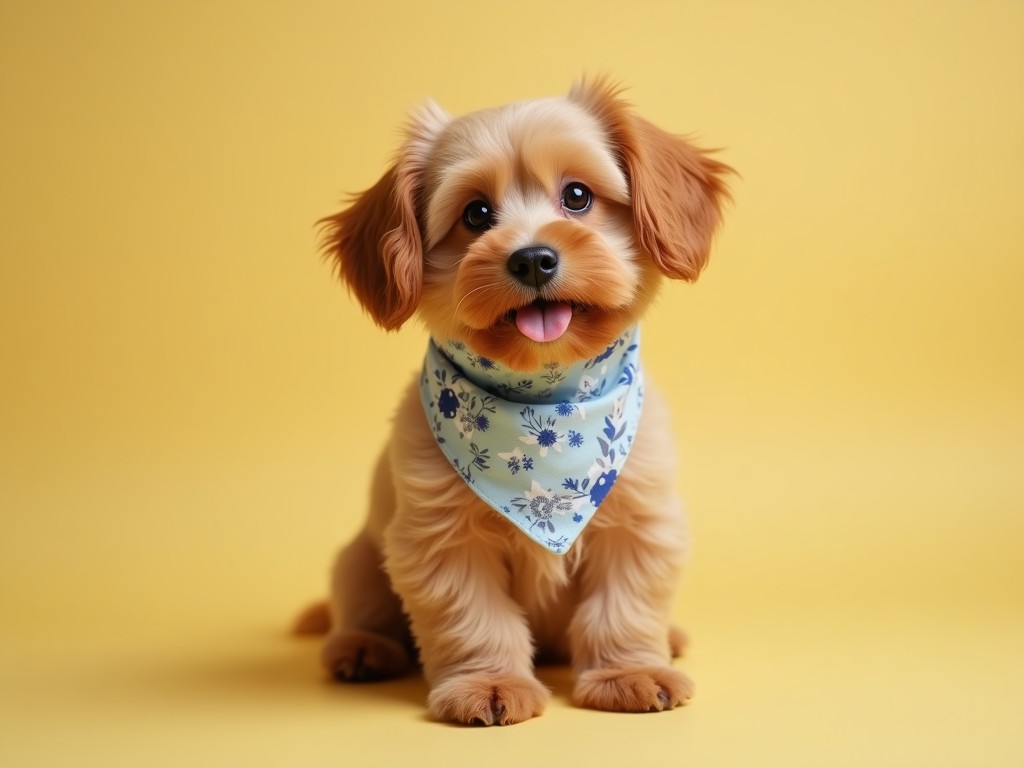
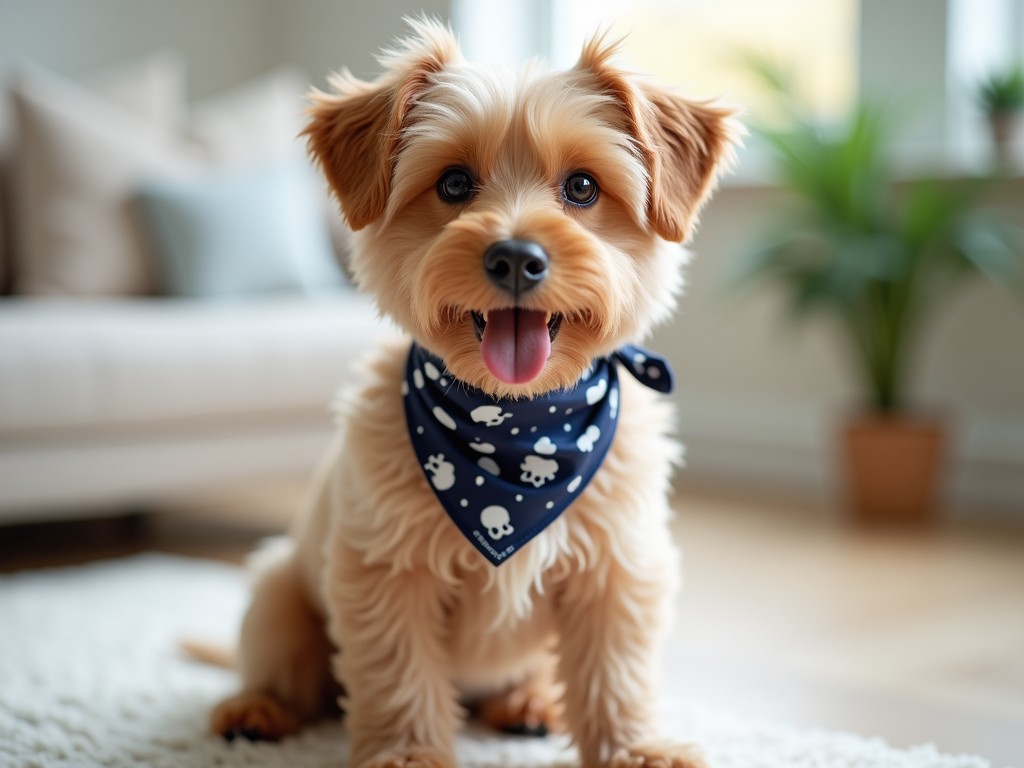
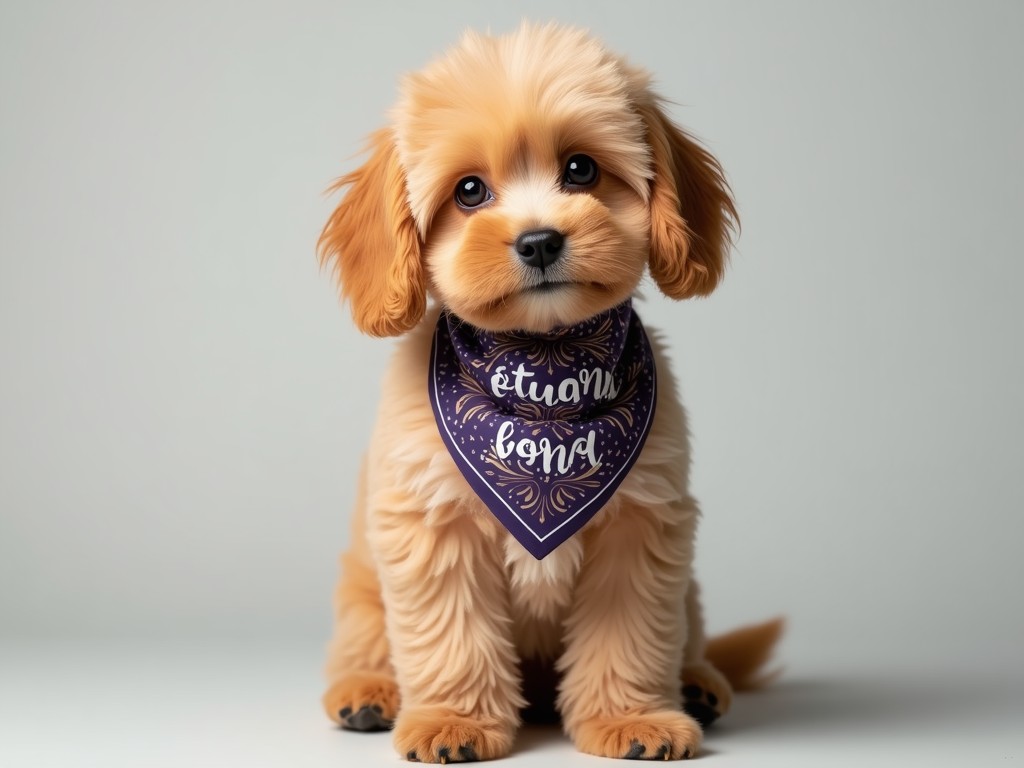
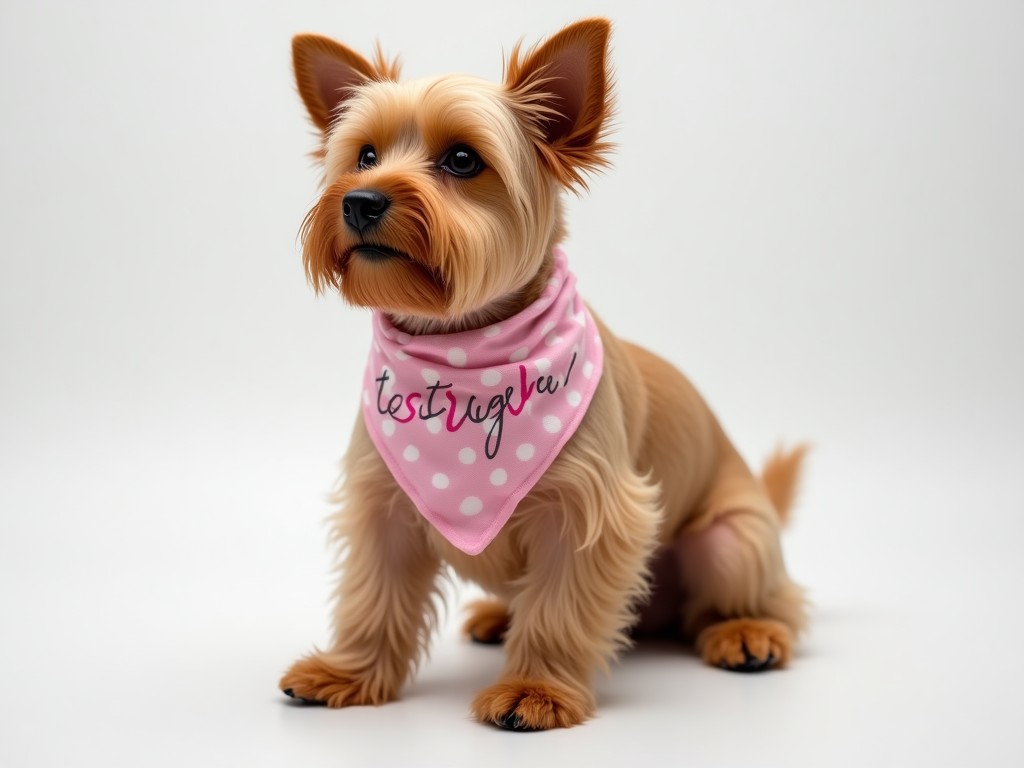
Custom Printed Dog Bandanas Supplier
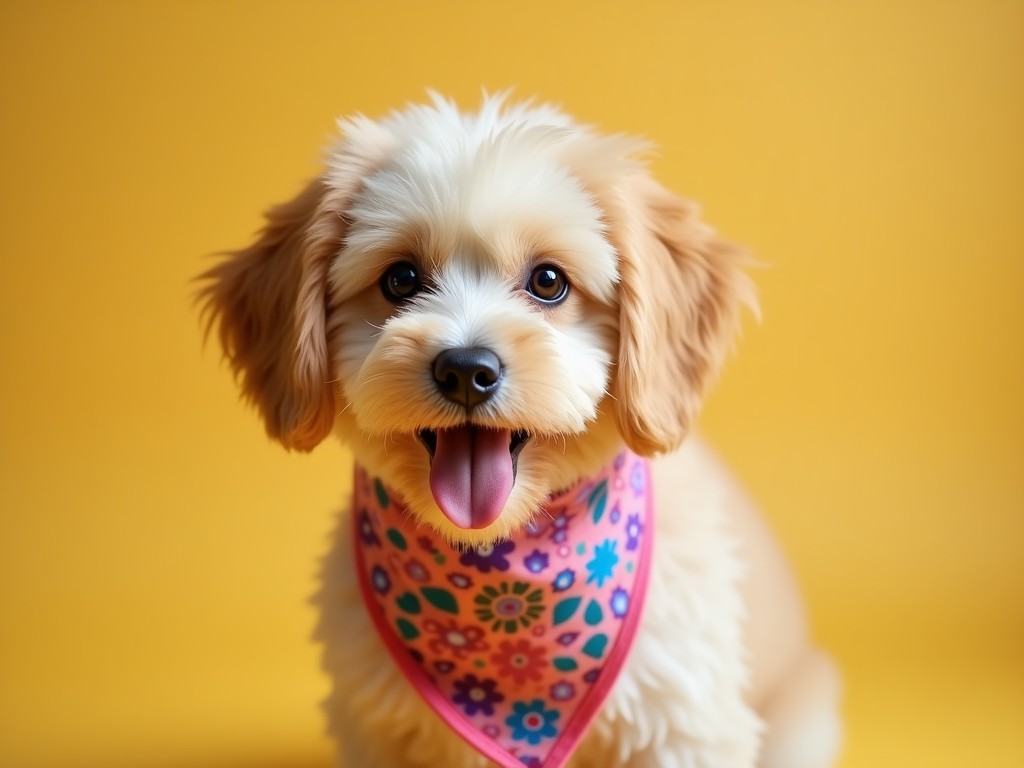
Custom Printed Dog Bandanas Supplier & OEM Manufacturing
Industrial-scale production of branded pet apparel requires a balance between textile tensile strength, dye pigment adhesion, and scalable ergonomic design. As a specialized supplier, the focus is placed on providing OEM-grade solutions that meet the rigorous demands of retail distributors and veterinary chains. The manufacturing infrastructure is designed to handle high-volume orders while maintaining strict color- and dimensional consistency across multiple production batches.
Procurement managers must evaluate suppliers based on their ability to integrate specific material properties with high-durability printing techniques. This technical overview outlines the specifications, printing methodologies, and quality control protocols employed in the production of professional-grade dog bandanas.
Material Selection and Durability
The choice of base fabric dictates the performance of the product under mechanical stress and environmental exposure. 100% combed cotton is frequently specified for its high breathability and hypoallergenic properties, making it ideal for sensitive-skin veterinary applications. For high-activity environments or outdoor branding, microfiber polyester blends are utilized due to their moisture-wicking capabilities and superior resistance to repeated abrasion.
Fabric weight, measured in grams per square meter (GSM), is a critical variable for determining the structural integrity of the bandana. A standard 120-150 GSM fabric provides a balance that maintains its shape without adding excessive bulk, whereas heavier 200+ GSM fabrics are reserved for premium-tier retail products where tactile density is prioritized.
| Specification | Organic Cotton | Polyester Blend |
|---|---|---|
| Breathability | High (Natural Fiber) | Moderate |
| Moisture Management | Absorbent | Quick-Dry Wicking |
| Dye Fastness | Variable (Sublimation) | Excellent (Permanent) |
| Tensile Strength | Medium | High |
Printing Technologies
The method of ink impacts the longevity and visual clarity of the custom design. Sublimation printing is the primary method for polyester-based fabrics, where the ink undergoes a phase change to bond directly with the fibers. This results in a print that cannot no cracking, peeling, or fading after multiple industrial laundering cycles.
For cotton-based media, screen printing is often employed for high-volume runs with limited color palettes. This technique provides a thick layer of ink that sits on the surface, offering vibrant opacity. Digital textile printing (DTG) is utilized for small-batch orders requiring complex, photographic gradients where screen separation would be cost-prohibitive.
Customization Specifications
Customization extends beyond the graphic design to include structural dimensions and finishing. Small, medium, and large-breed tiers are standardized to ensure consistent fit across breed variations, but custom OEM dimensions are available for specific branding requirements.
- Edge Finishing: Options include double-needle turned stitching for reinforced hems or rolled-edge serging for a lightweight aesthetic.
- Shape Geometry: Standard triangular, square, or specialized pocket-style designs for secure tag insertion.
- Hardware Integration: Integrated loops for collars or high-visibility reflective piping attachments.
Quality Control and Inspection Standards
Quality assurance involves a multi-stage inspection process to mitigate procurement risk. Each batch undergoes dimensional stability testing to ensure shrinkage remains within the acceptable ±5% threshold after pre-wash cycles. Color-matching is verified using spectrophotometry to ensure the Delta E value aligns with the approved master sample.
Stitching density is measured in stitches per inch (SPI) to guarantee seam strength. A minimum of 12 SPI is maintained for all reinforced hems to prevent fraying under the mechanical stress typical of active animal movement.
Applications
The utility of custom bandanas spans several distinct industrial sectors. In veterinary environments, they serve as color-coding tools for patient triage or post-operative identification. For retail and corporate branding, they function as high-visibility promotional assets that must withstand consumer-level wear patterns without aesthetic degradation.
FAQ
What is the typical production lead time for bulk OEM orders?
Lead times generally range from 15 to 35 business days depending on the order volume, complexity of the printing process, and current manufacturing capacity.
Can custom fabric blends be developed for specific project needs?
Yes, specific fabric compositions can be engineered based on technical performance requirements for durability, breathability, or cost.
How are export shipments protected against moisture?
Shipments are packed in moisture-barrier poly-bags and secured in heavy-duty corrugated cartons to ensure structural integrity during international transit.
Request a technical specification sheet or quote for your industrial-scale project.
Inquire About Manufacturing Capabilities