China Dog Grooming Bandanas Manufacturer
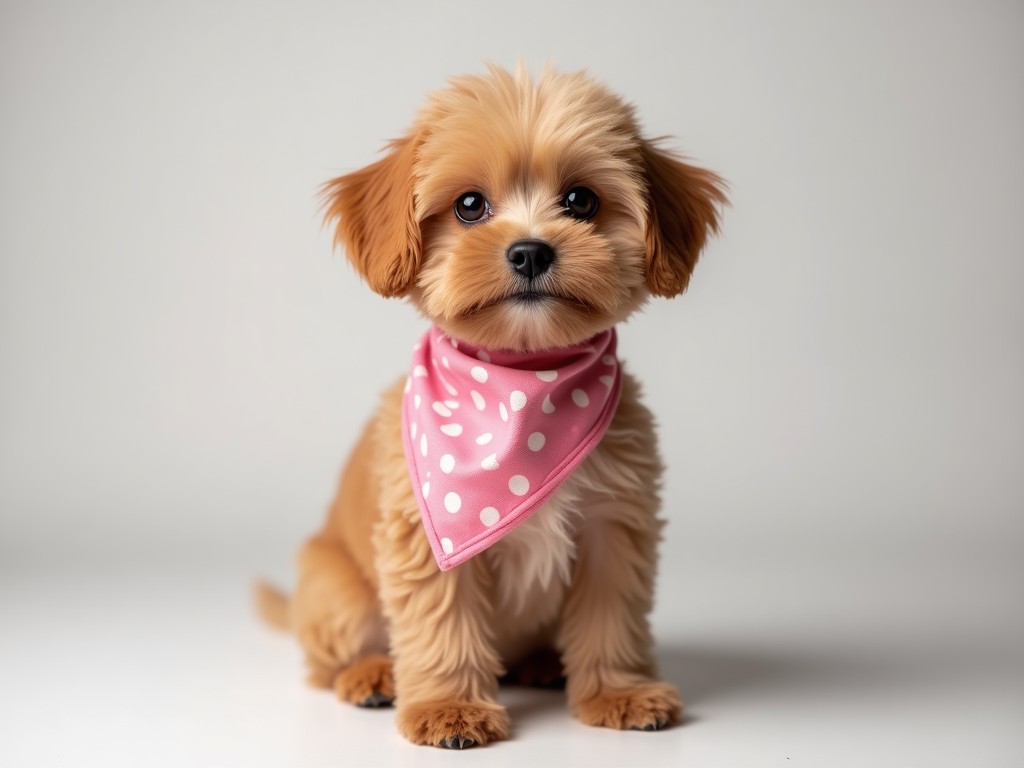
China Dog Grooming Bandanas Manufacturer
The manufacturing of pet grooming accessories in China involves a sophisticated understanding of textile science and pet-grade durability. Industrial-scale production focuses on delivering high-volume orders of bandanas that can withstand the mechanical stress of professional grooming environments. By integrating advanced textile weaving supply chains, manufacturers ensure that the structural integrity of the fabric remains intact despite repeated laundering cycles and exposure to cleaning agents.
Material Selection & Fabric Engineering
Selecting the correct base material is the primary factor in determining the bandana's performance metrics. 100% cotton jersey is frequently utilized for its hypoallergenic properties and breathability, making it ideal for breeds with sensitive skin conditions. Conversely, for high-performance grooming applications, microfiber blends are engineered with a high surface area ratio to facilitate rapid moisture-wicking and accelerated drying times.
The GSM (grams per square meter) of the fabric dictates the opacity and weight of the final product. A lower GSM (120-150) provides a lightweight feel suitable for aesthetic use, whereas a higher GSM (200+) offers the abrasion resistance required for heavy-duty professional salon settings. Manufacturers evaluate the tensile strength of the fibers to ensure the material does not tear when the animal moves actively during the session.
| Material Type | Typical GSM | Key Property | Primary Application |
|---|---|---|---|
| 100% Cotton | 150-180 | High Breathability | Retail / Sensitive Skin |
| Microfiber Blend | 250-300 | Moisture Wicking | Professional Grooming |
| Polyester Mesh | 100-140 | High Durability | Mass-market Dispensables |
Manufacturing Processes & Printing Techniques
Visual customization is achieved through various industrial printing methods, each serving different requirements. Digital sublimation is preferred for polyester-based fabrics because the ink is gasified and bonded with the fibers, preventing the design from cracking or peeling after multiple washes. For cotton-based products, rotary screen printing is often employed to provide vibrant saturation and a durable layer of ink that sits on the fabric surface.
Assembly requires precision to ensure the longevity of the bandana. Production lines utilize overlock (serger) stitching on the edges to prevent fraying, which is a common failure point in lower-quality manufacturing. Reinforced hems are often applied using double-needle stitching to distribute stress evenly when the bandana is pulled by the pet during vigorous movement.
Customization Options and OEM Services
OEM capabilities allow distributors to integrate their branding directly into the product life cycle. This includes custom sizing specifications, ranging from small-scale for toy breeds to extra-large dimensions for working dogs. Technical specification sheets are provided to clients to ensure that the dimensions and tolerance levels of the fabric remain consistent across different production runs.
Branding can be implemented via heat-transfer labels, woven tags, or direct screen-printed logos. Each method requires specific color-matching systems, such as Pantone Matching System (PMS), to ensure accuracy across different fabric substrates. Manufacturers offer prototyping phases where buyers can verify the tactile feel and visual fidelity before committing to a full-scale production load.
Quality Control & Safety Standards
Quality assurance protocols in a professional facility focus on chemical safety and mechanical reliability. Testing includes color-fastness assessments to ensure that dyes do not migrate onto the pet's fur or skin when wet. Shrinkage tests are also conducted to guarantee that the bandana maintains its engineered dimensions after industrial-grade drying and washing cycles.
Safety standards are maintained by utilizing non-toxic, lead-free dyes that meet international pet safety regulations. Each batch undergoes a visual inspection to identify potential needle needles or loose threads, which could pose a choking hazard to the animal. This rigorous approach to quality control reduces the risk of product liability for distributors and retail brands worldwide.
Interested in discussing technical specifications or requesting a bulk quote?
Request Technical Production Data