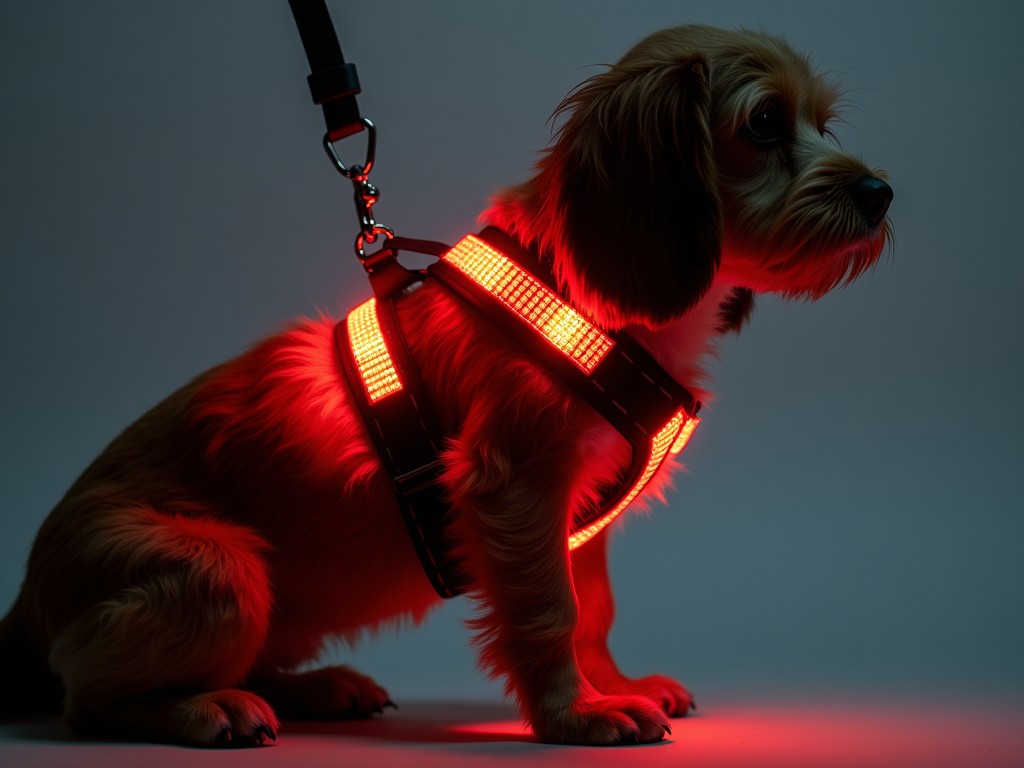
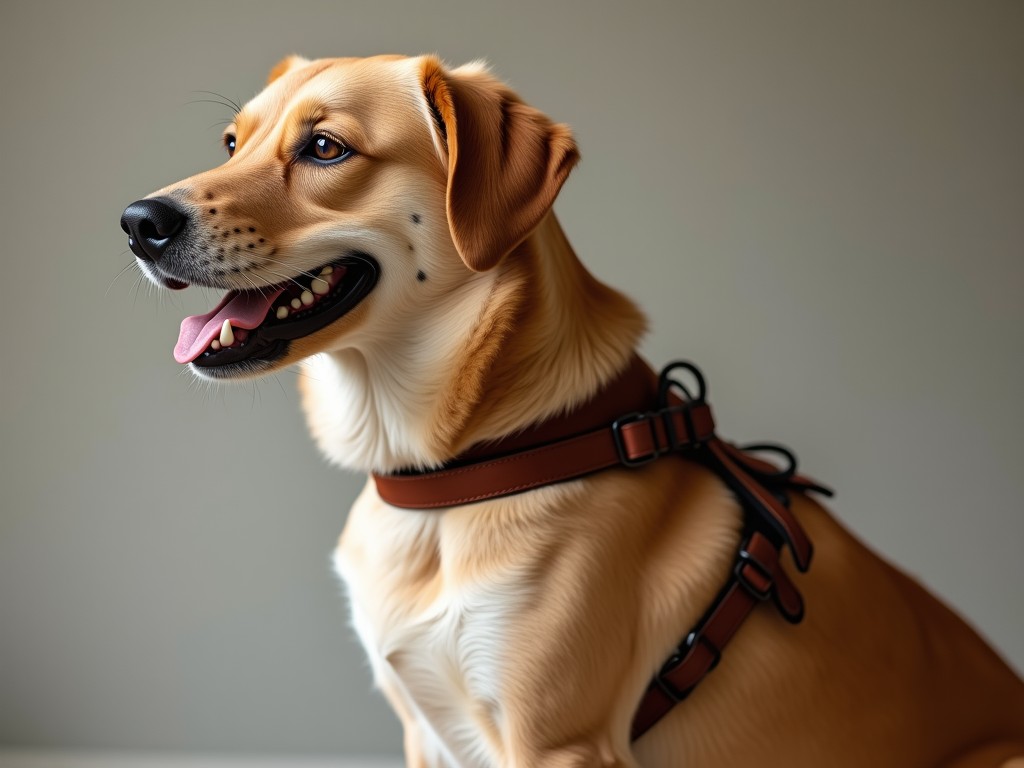
Y Shape Dog Harness Neoprene No Pull Pet Dog Harness


Y-Shape Dog Harness: Better Control and Comfort for Daily Walks
A dog harness is more than a walking accessory—it's an essential tool that directly influences your dog's comfort, safety, and your control on walks. Among the many designs, the Y-shape dog harness emerges as the top choice, especially for ergonomic fit and pull comfort. Its unique Y-shaped chest structure offers clear advantages over traditional, less anatomically considerate harnesses.
From an ergonomic standpoint, the Y-shape excels because it follows the dog's natural bone structure. Unlike horizontal strap harnesses that sit straight across the chest, the Y-shape design passes between the front legs and over the sternum, resting on the strong breastplate. This placement distributes leash pressure evenly across the chest—much stronger than the neck—and prevents uncomfortable pressure points. Crucially, it keeps the shoulder joint area unrestricted. A straight chest strap can impede the shoulder's full range of motion, leading to unnatural gait, discomfort, and potential long-term joint problems. The Y-shape allows free shoulder movement, promoting a natural, fluid stride during walks, runs, and play.
For pulling comfort and friction reduction, the Y-shape design minimizes chafing and tracheal obstruction. Traditional horizontal strap harnesses can sit too close to the throat. When a dog pulls, the strap rides up and presses on the trachea, potentially hindering breathing. The Y-shape sits lower on the sternum, away from the throat, preventing upward shift and keeping the airway clear. High-quality Y-shape harnesses have minimal contact points and often feature soft padding at the chest and sternum, absorbing pulling force. This enhanced fit and reduced lateral movement mean less rubbing and chafing, especially in sensitive underarm areas. Combining superior fit, pressure distribution, and freedom of movement, the Y-shape harness provides a controlled, comfortable, anatomically correct experience for daily walks.
Best No-Pull Harness for Large Breed Dogs: Choosing a Strong Y-Style Solution
For large breed dogs like German Shepherds, Labrador Retrievers, or Great Danes, a robust no-pull harness is essential. Their strength requires a harness that offers control without injury. The Y-style no-pull harness is the optimal choice for large breeds, as its structural integrity and design meet the challenges of their power.
The key to a successful no-pull harness for large breeds is strength and safety. Look for durable materials like military-grade nylon webbing, reinforced stitching, and sturdy metal hardware (buckles and D-rings). Large dogs need hardware that can handle sudden lunges or sustained pulls without failing. Multiple adjustment points ensure a custom fit, preventing escape and maintaining the correct position to avoid chafing.
The Y-style structure excels in anti-pull mechanism. Effective no-pull harnesses use a front-clip D-ring on the chest piece. When the dog pulls, clipping the leash to this front ring steers the dog's body back toward the handler. This redirection prevents the dog from using full weight and teaches that pulling is ineffective. Unlike rear-clip that triggers opposition reflex, the front-clip encourages stopping forward motion.
Crucially, the Y-style retains anatomical benefits. Even under a large dog's pull, the structure distributes force across the chest and sternum, keeping the airway clear. Avoiding tracheal pressure is critical for powerful dogs. Combining heavy-duty construction, front-clip redirection, and ergonomic Y-shape, a high-quality Y-style harness provides control, security, and comfort for safe walks with large breeds.
Difference Between Y-Style and Traditional Chest Strap Dog Harnesses
The market offers many dog harnesses, but they fall into two main categories based on chest structure: Y-style (Roman or H-harness) and traditional chest strap (horizontal or vest style). Understanding these structural differences helps choose a harness that prioritizes health and natural movement.
The most significant difference is in the front chest piece.
Traditional chest strap harnesses use a single horizontal strap across the chest from shoulder to shoulder.
Y-style harnesses use straps forming a 'Y' from the front, with the vertical part running down the sternum between the front legs.
This structural difference has profound effects on comfort and mobility. The traditional horizontal strap often sits over the shoulder joints. Since foreleg movement depends on the shoulder joint, restriction can impede natural gait extension and retraction. Over time, this can lead to discomfort, gait abnormalities, and chronic issues, especially for active dogs. The Y-style harness, with straps separated and central piece down the sternum, keeps material clear of the shoulder joint, allowing natural shoulder activity and full range of motion.
The second critical difference is the effect on airway and breathing. With a traditional chest strap, if improperly fitted or when the dog pulls, the strap can migrate upward and press on the trachea, causing gagging, coughing, or difficulty breathing—especially concerning for brachycephalic breeds or those with respiratory issues. In contrast, the Y-style anchors pressure distribution lower on the sternum, keeping straps below the throat and ensuring unrestricted breathing even when pulling. This makes the Y-style superior for long-term health, comfort, and natural walking.