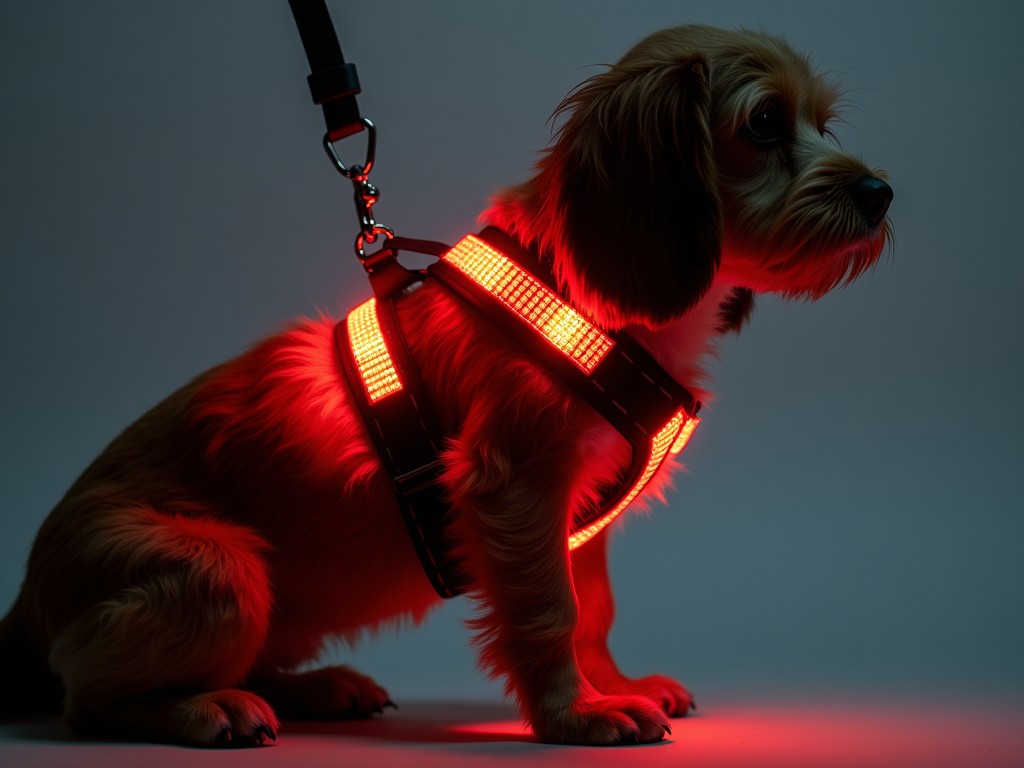
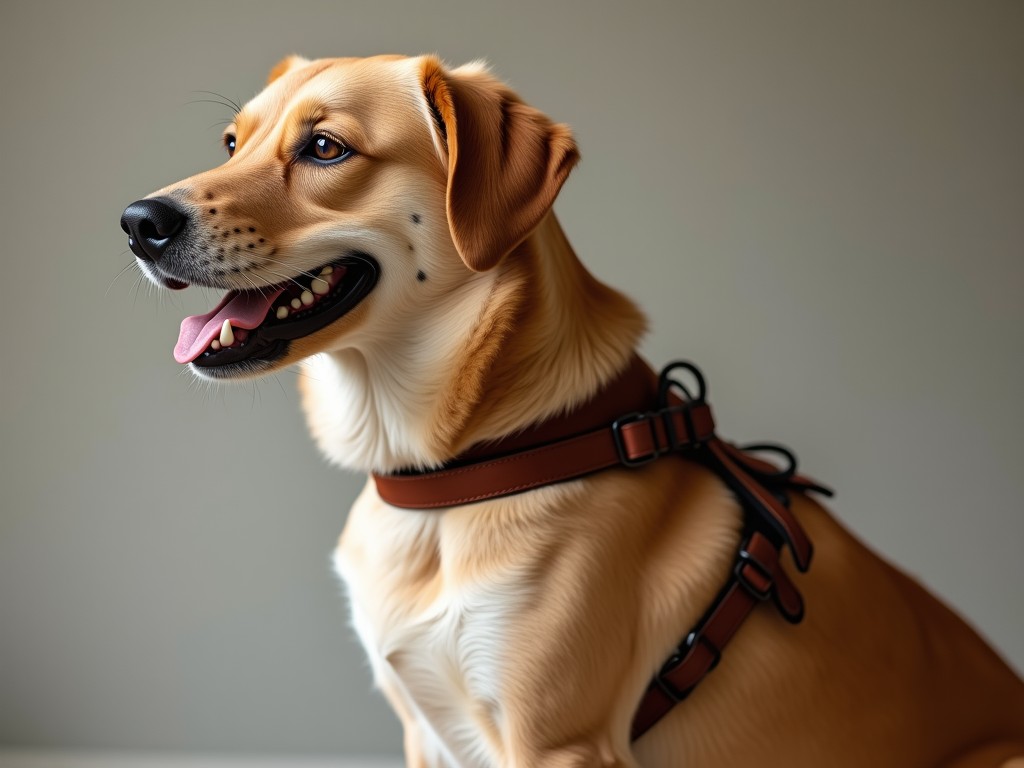
Reflective No Choke Oxford Adjustable Soft Padded Dog Vest No Pull Pet Harness 174


Why a No-Choke Dog Harness Is Safer for Your Pet Than Traditional Collars
The key distinction between a traditional collar and a no-choke dog harness is how they manage restraint—a factor with significant consequences for your pet's health. While collars are essential for ID tags, a well-designed no-choke harness is the safer alternative for everyday walks, offering superior neck protection and prioritizing your dog's overall well-being.
The danger of traditional collars lies in their concentrated pressure point. When a dog pulls, lunges, or is suddenly stopped, the full force is applied to a small area around the trachea and cervical spine. This can lead to serious health complications, such as tracheal collapse (common in small breeds like Yorkshire Terriers and Poodles), laryngeal damage, and chronic neck strain. For dogs with existing health issues or those that tend to pull, this constant pressure creates risks of breathing difficulties, coughing, and increased intraocular pressure.
A no-choke dog harness eliminates this risk by strategically redistributing the pulling force. Designed with a vest or ergonomic Y-shape, these harnesses position the main anchor points securely over the dog's sternum and muscular chest. The sternum is a strong bone structure capable of absorbing substantial force without affecting sensitive organs. By spreading the pressure across this broad area, the harness keeps your dog's neck and throat completely free and unrestricted, even when they pull strongly.
This simple yet vital design makes the harness the superior choice for daily use. It encourages stress-free walks by eliminating the unpleasant sensation of airway compression. For owners, the peace of mind that comes from knowing their dog's health is safeguarded makes the no-choke harness an indispensable tool for every adventure.
How a No-Pull Training Dog Harness Transforms Walks with Energetic Pets
Energetic dogs, though delightful companions, can make walks challenging due to their intense pulling. A no-pull training dog harness is an invaluable tool designed to address this behavior, enhancing the walking experience for both pet and owner through effective training mechanics, superior comfort, and lasting durability.
The key advantage of a no-pull harness is its behavior modification design. Unlike standard back-clip harnesses, which can trigger a dog's opposition reflex and encourage pulling, a no-pull harness features a primary leash attachment at the chest. When an energetic dog lunges forward, clipping the leash to this front ring uses their own momentum against them. The leash pressure gently turns the dog's body sideways, redirecting them toward the handler. This interrupts the forward motion and teaches the dog that pulling is ineffective, providing a humane and highly effective training method.
For energetic pets, comfort and durability are essential. A quality training harness must withstand the demands of an active dog while remaining comfortable for extended wear. Look for high-tensile webbing and sturdy metal hardware capable of handling strong pulls. The harness should also be ergonomically designed, with padding in friction-prone areas and straps that avoid the shoulder joints to allow a full range of motion. An uncomfortable dog will resist training; a well-fitting, comfortable design ensures the focus stays on learning good leash manners, not struggling with the equipment.
By offering a non-aversive method to manage and redirect pulling, the no-pull training dog harness turns frustrating walks into structured training sessions. This leads to a calmer, more controlled, and enjoyable experience for both the energetic pet and their owner.
How to Choose the Perfect No-Choke Harness for Small Dogs
Small dogs are especially prone to neck and tracheal injuries, making the selection of a suitable no-choke harness a critical responsibility for their owners. The harness must be chosen carefully, with a strong focus on fit, comfort, and safety to prevent common problems like choking, escape, and chafing.
The most important factor is the anti-choke design and secure fit. For small breeds, the harness must distribute all pulling pressure over the sternum, keeping the fragile trachea safe. Look for Y-shaped or vest-style harnesses with a low chest plate. Proper sizing is crucial—measure your dog's girth and neck circumference accurately before buying, as generic sizing often doesn't account for the subtle differences in small breed anatomy.
Comprehensive adjustability is key to preventing escape and ensuring comfort. Small dogs are notorious escape artists. A high-quality harness should have at least four adjustment points—two at the neck and two at the girth—allowing for a customized, snug fit that leaves no slack for backing out or twisting free. The harness should feel secure without restricting blood flow or breathing. Choose lightweight, soft, breathable materials like padded mesh or velvet, as small breeds have sensitive skin that can easily chafe, especially in the underarm area.
Finally, prioritize safety with quality hardware. Buckles should be small yet durable, and leash rings should be strong metal with reinforced stitching. By choosing an anatomically correct, highly adjustable, and lightweight design, small dog owners can provide a safe, secure, and comfortable walking experience that protects their pet's delicate health.