Professional No Pull Custom Dog Harness Manufacturer
Professional No Pull Custom Dog Harness Manufacturer
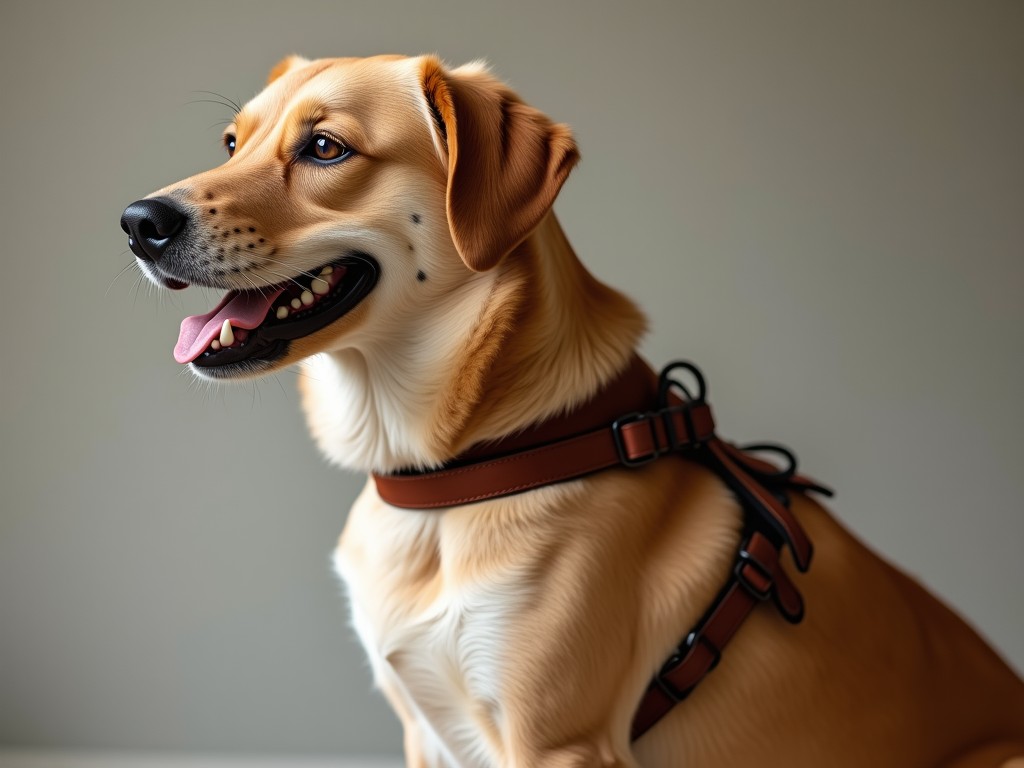
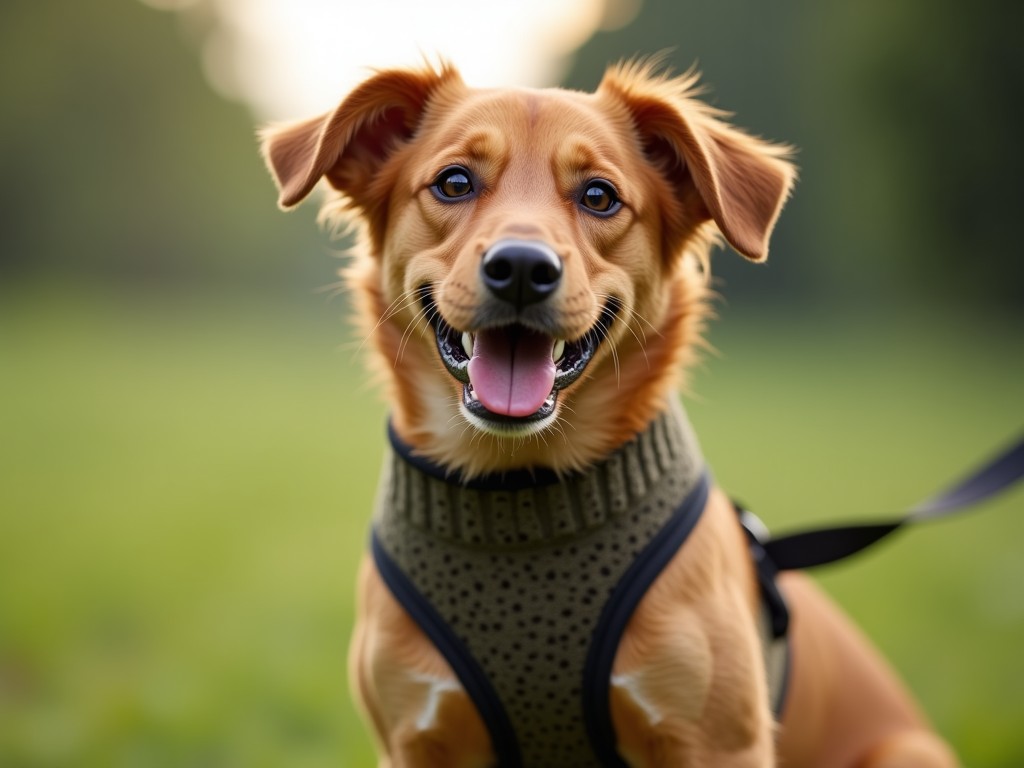
The mechanics of an effective no-pull harness rely on the redirection of kinetic energy through anatomical leverage. By positioning the primary leash attachment point at the sternal level rather than the dorsal area, the harness utilizes the dog's natural turning reflex when they pull forward. This mechanical shift reduces the risk of tracheal compression and provides superior control for handlers operating in high-tension environments or crowded urban settings. Engineering these systems requires precise geometry to distribute force evenly across the thoracic cage, preventing restricted movement or limb irritation.
Manufacturing professional-grade equipment necessitates a deep understanding of canine biomechanics and material science. We focus on creating structural frameworks that withstand repetitive stress and mechanical friction without compromising integrity. This approach ensures that the harness remains functional and safe throughout its operational lifecycle in service and heavy-duty working applications.
Material Selection and Durability
Component selection begins with the evaluation of tensile-to-weight ratios. High-density 1000denier ballistic nylon webbing is frequently utilized for the structural frame due to its high abrasion resistance and low stretch under load. For contact points, we employ closed-cell EVA foam inserts that do not absorb moisture, maintaining structural integrity under repeated pressure and preventing heat buildup that causes skin irritation during long-term use.
Hardware integrity is a critical failure point in industrial harness manufacturing. We utilize aerospace-grade zinc alloy or 316 stainless steel buckles and D-rings to ensure corrosion resistance and mechanical stability under high shear loads. Each junction point is reinforced with bar-tack stitching, which distributes the load across a wider surface area of the webbing rather than relying on a single point of failure.
Customization Capabilities for OEM Integration
OEM partners require specific specifications to meet market branding and functional requirements. Our production line supports custom dimensionaling to accommodate non-standard breed morphologies or specific anatomical needs. Color-coding systems can be implemented to denote different training levels—using specific hues for light, medium, and heavy pull resistance—allowing distributors to streamline inventory management for end-users.
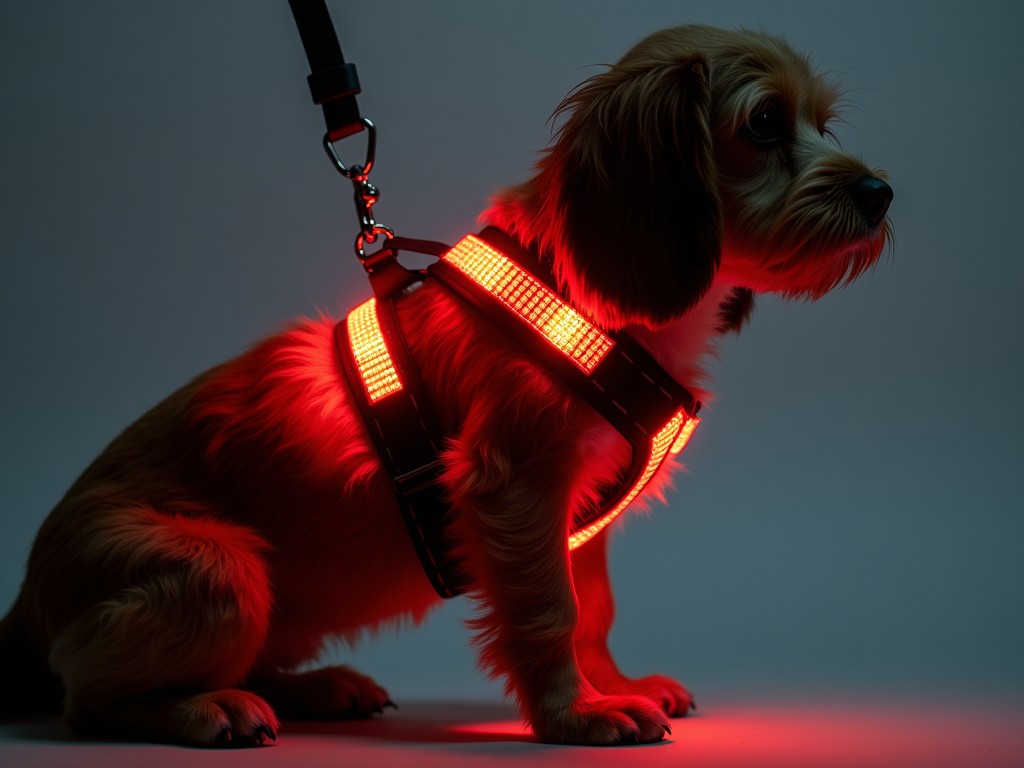
Branding and functional labeling are integrated through precision-woven labels, heat-transfer logos, or laser-engraved hardware. These methods ensure longevity even after repeated abrasion cycles. Furthermore, specialized features such as integrated reflective piping for low-visibility operations or secondary attachment points for service gear mounting can be engineered into the initial prototype design phase.
| Technical Specification | Standard Industrial Grade | Customizable Options |
|---|---|---|
| Webbing Material | 1000D Ballistic Nylon | Recycled PET-based webbing |
| Hardware Material | Zinc Alloy Alloy | 316 Stainless Steel / Titanium |
| Max Tensile Load | Up to 450kg | Project-specific reinforcement |
| Padding Density | 5mm EVA Foam | Variable-density memory foam inserts |
Industrial and Commercial Use Cases
In the service animal sector, the no-pull harness is a critical tool for public access stability. It allows service dogs to maintain focus in high-traffic environments without the physical strain associated with traditional collar-based leads. The structural reliability of the harness ensures that the equipment lasts through the rigors of daily deployment and varying environmental conditions.
Veterinary and rehabilitation centers also utilize these harnesses for patients recovering from cervical injuries or neurological issues. The distributing-load design prevents localized pressure on sensitive areas, facilitating safer mobility training during the recovery process. For high-end retail distributors, providing a technically superior product offers a value proposition based on animal safety and equipment longevity over aesthetics alone.
Quality Control and Testing Protocols
Quality assurance follows a multi-stage verification process. Every prototype design undergoes load-testing to verify that the bar-tack stitching and hardware connections exceed the rated safety margins. We monitor the consistency of raw materials across batches to ensure that no variations in polymer density or metal alloy strength could lead to premature equipment failure.
Visual inspection is performed on every unit to detect fraying, hardware misalignment, or stitching inconsistencies. By maintaining a strict internal tolerance standard, we reduce the risk of field failures for our OEM clients, ensuring a predictable product for the end-consumer.
Frequently Asked Questions
What is the minimum order quantity (MOQ) for custom OEM designs?
MOQs vary based on the complexity of the engineering and specific material requirements. Please provide your technical specifications for an accurate quote estimate.
What information is required before a formal quotation?
We require technical pack packs including dimensional drawings, material preferences, hardware specifications, and projected annual volumes.
Can the harnesses be customized for specific breed morphologies?
Yes, we can engineer custom patterns to accommodate unique anatomical requirements, ensuring an optimal fit where standard sizing fails.
Interested in integrating technical hardware into your product line?
Contact our technical engineering team to discuss your project requirements and manufacturing capabilities.
Request Technical Specifications