Oem Custom Made Leather Dog Harness Company
OEM Custom Made Leather Dog Harness Manufacturing
Engineering professional-grade leather dog harnesses requires a deep understanding of biomechanics, material tensile strength, and repetitive stress points. Unlike consumer-grade accessories, OEM-spec harnesses must maintain structural integrity while distributing mechanical load evenly across the skeletal structure during high-tension maneuvers. Our manufacturing process focuses on the interface between high-density leather and reinforced hardware, ensuring each unit meets specific performance requirements for working-duty or high-end retail applications.
Material Selection and Tanning Specifications
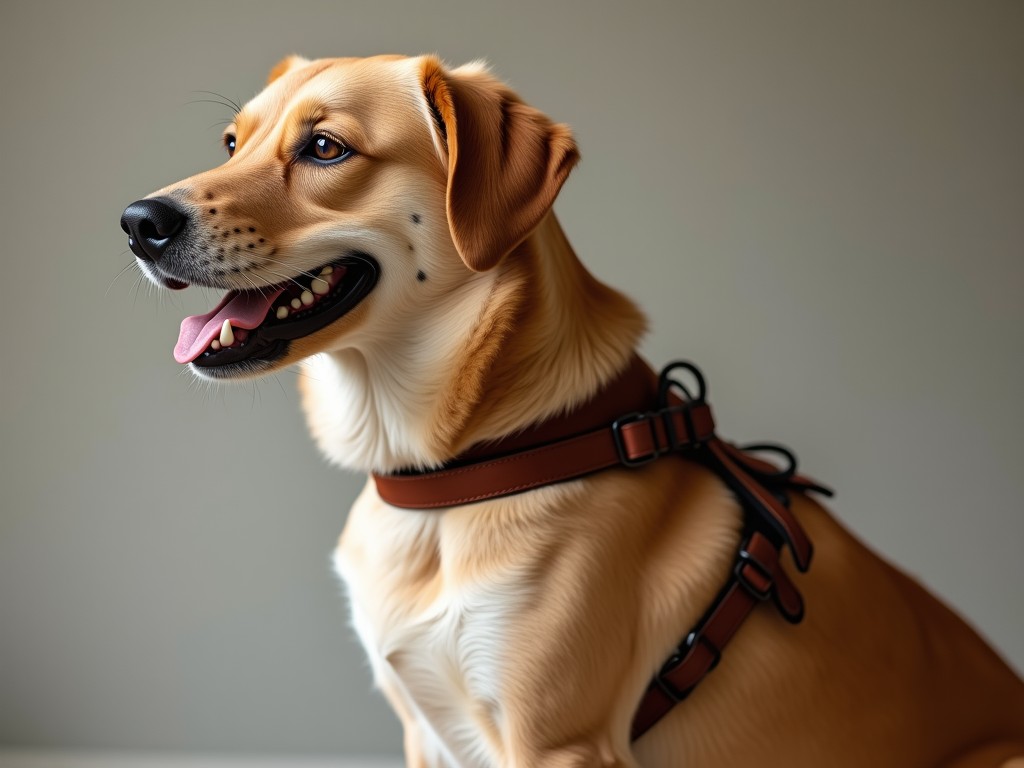
The choice of leather dictates the longevity and flexibility of the harness under environmental stressors like moisture and heat. For industrial-grade harnesses, we primarily utilize full-grain leather, which retains the outermost fiber layer to provide maximum tensile strength and natural abrasion resistance. Vegetable-tanned leather is offered for projects requiring a firm structure that molds over time, whereas chrome-tanned leather offers higher water resistance and resistance to stretching in humid climates.
| Leather Type | Durability | Breathability | Primary Application |
|---|---|---|---|
| Full-Grain (Veg Tan) | Extreme | Medium | Heavy-duty work dogs |
| Top-Grain (Chrome Tan) | High | High | Luxury retail / Active wear |
| Split Leather | Medium | Low | Budget-conscious OEM |
Technical Customization Options
Customization allows buyers to align product specifications with specific branding or functional needs. We provide a modular approach to technical adjustments that go beyond simple aesthetic changes.
- Hardware Metallurgy: Selection between solid 316 stainless steel, solid brass, or powder-coated zinc alloy with specific load ratings.
- Stitching Architecture: Use of bonded nylon thread with double-stitch patterns to prevent unraveling if one seam fails.
- Edge Finishing: Burnished edges for moisture resistance or multi-painted edges for specific color matching.
- Branding Integration: Laser-engraving, deep embossing, or inset metal plate mounting for permanent identification.
The Manufacturing Workflow
Our production line follows a rigorous sequence to ensure consistency across large OEM batches. It begins with laser-cutting to minimize material waste and ensure dimensional accuracy within a ±0.5mm tolerance. Following cutting, each leather component is reinforced with internal webbing where necessary to prevent fraying at the stress points.
Assembly involves industrial-grade sewing machines that maintain consistent tension, ensuring the leather is not stretched or weakened during the stitch process. Once assembled, the hardware is secured using bar-end rivets or heavy-duty screws, depending on the required shear strength.
Quality Control and Testing Protocols
Reliability is verified through empirical testing rather than assumption alone. Every harness design undergoes a pull-test to ensure the D-rings and buckles can withstand specified weight loads without deformation. We also perform visual inspections for leather grain consistency, stitch uniformity, and hardware finish to ensure no defects reach the packaging stage.
Industrial Applications
Leather harnesses are specifically selected for environments where synthetic materials might fail or degrade prematurely. In search and rescue operations, the natural grip of leather provides a tactile advantage for handlers in wet conditions. Additionally, for high-end service animal programs, the aesthetic aging of leather offers a premium value proposition that synthetic alternatives cannot replicate over years of daily use.
Frequently Asked Questions
What is the minimum orderة (MOQ) for custom designs?
MOQs vary based on the complexity of the hardware and leather requirements, typically starting at 100 units for standard-modified designs.
Can you provide technical drawings before production?
Yes, we provide digital prototypes and technical packs to verify fit and hardware placement before the manufacturing run begins.
How are lead times calculated for international orders?
Production lead times generally range from 4 to 8 weeks, depending on material availability and order volume.
Interested in discussing technical specifications for your custom harness project?
Request a Technical Quotation