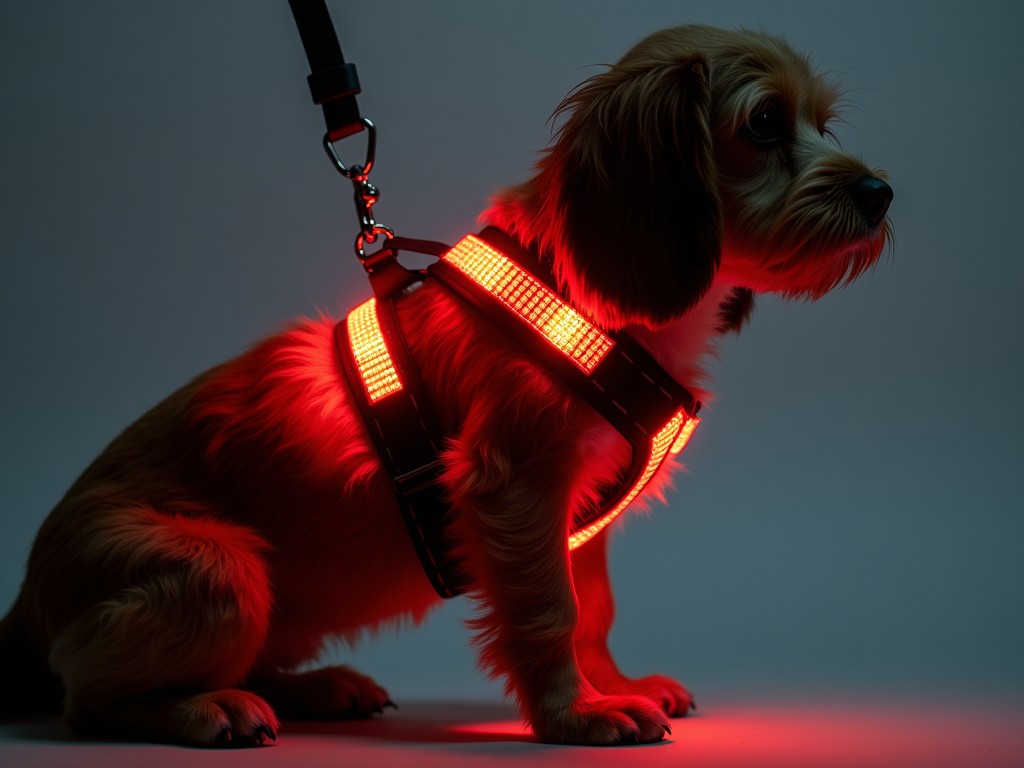
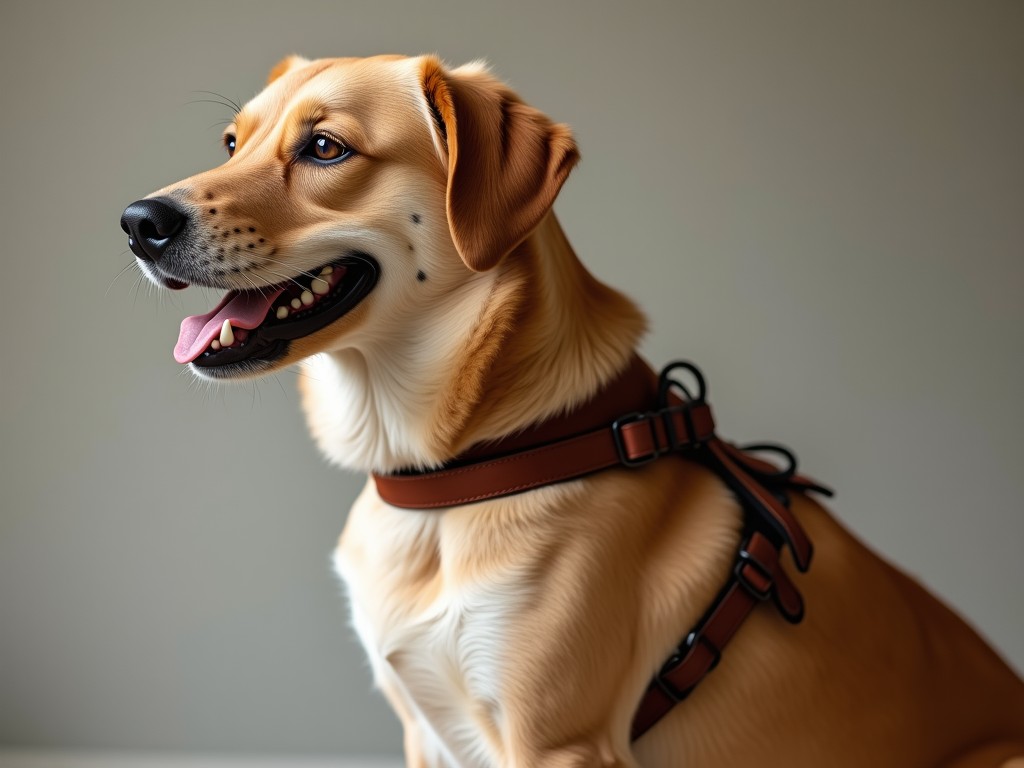
Custom Service Animal Harness Vest For Sale
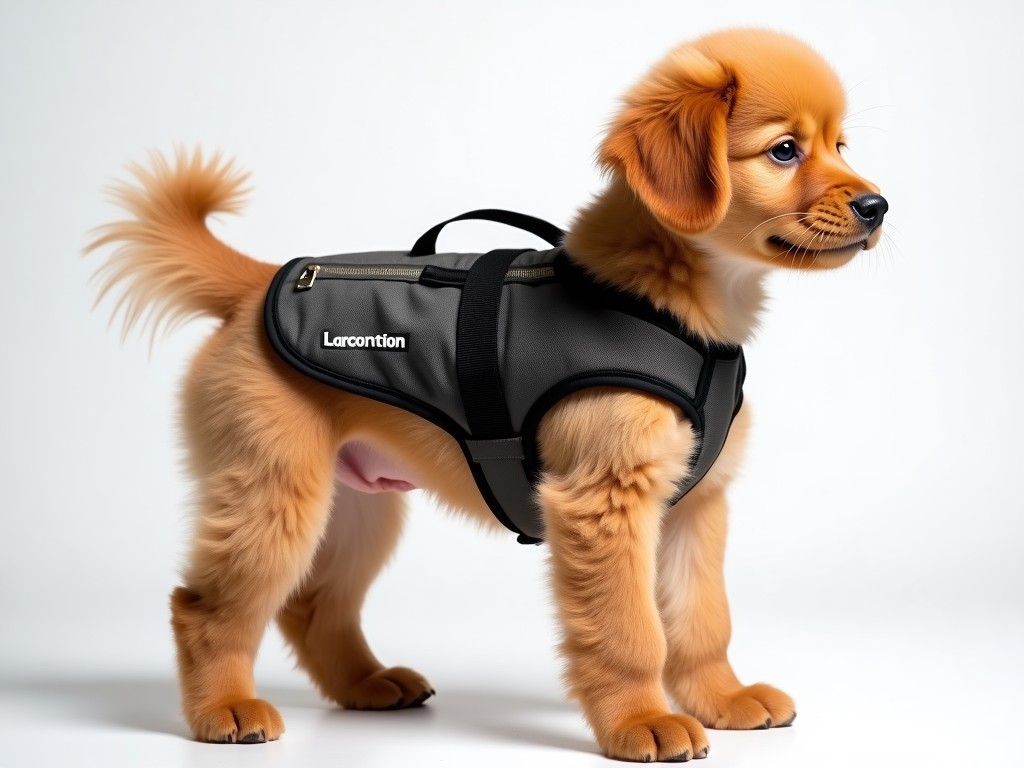
Custom Service Animal Harness Vest for Sale and Manufacturing
Service animal harnesses serve as the critical interface between a working animal and its handler, providing necessary identification and functional support. Unlike standard pet gear, industrial-grade vests are engineered to distribute mechanical loads evenly across the animal's skeletal structure, preventing injury during prolonged use. Our manufacturing process focuses on structural integrity, thermal regulation, and the integration of specialized equipment mounts to ensure reliability in high-stress public environments.
Selection of materials dictates the longevity and abrasion resistance of the harness. We utilize high-denier synthetic fabrics, specifically 1000D Cordura or ballistic nylon, for the outer shell to withstand significant friction and wear common in urban environments.
Material Selection & Durability Engineering
Thermal management is a primary engineering concern for working animals in varying climates. To mitigate overheating, we incorporate multi-layered spacer mesh padding in contact zones, which promotes airflow while maintaining a barrier against external irritation. This design prevents heat traps against the animal's skin during high-activity tasks.
Hardware selection determines the failure point of the entire assembly system. We offer aircraft-grade aluminum buckles and high-tensile polymer cobra buckles that provide a higher strength-to-weight ratio than standard plastic alternatives. Every attachment point is reinforced with bar-tack stitching, ensuring that stress is distributed across multiple fabric layers rather than a single point.
Customization Options for Specialized Requirements
Customization allows the harness to meet the specific anatomical and functional requirements of different working roles. Modular systems like MOLLE (Modular Lightweight Load-carrying Equipment) webbing allow handlers to attach medical pouches, water reservoirs, or communication devices without compromising the primary vest structure.
- Anatomical Sizing: Precision measurements based on chest girth, neck length, and back length for specific breeds.
- Reflective Integration: High-visibility 3M reflective piping for low-light operational safety.
- Identification Zones: Reinforced hook-and-loop panels for interchangeable ID patches and status indicators.
- Load-Bearing Points: Reinforced D-rings positioned specifically for mobility assistance or guiding tasks.
Technical Specifications
| Feature | Standard Specification | Customizable Options |
|---|---|---|
| Primary Material | 1000D Ballistic Nylon | Ripstop nylon, Cordura variants |
| Load Capacity | Up to 50kg (Static) | Request-specific de-rating |
| Hardware Type | Anodized Aluminum | Cobra buckles, Quick-release |
| Padding Material | Open-cell foam | Memory foam, Gel-infused |
Applications & Functional Logic
The engineering of a harness is dictated by the task the animal performs. For mobility assistance, the harness is designed to transfer the weight of the handler to the animal's chest and shoulders, avoiding the spine to prevent orth orthopedic damage during sudden shifts in weight.
In detection or medical alerting, the focus shifts to low-profile design and rapid deployment. The vest must remain slim enough to not snag on furniture or tight spaces while providing enough surface area for the public to identify the animal's working status clearly.
Quality Control & Manufacturing Standards
Quality assurance involves rigorous inspection of load-bearing seams. We perform tensile strength testing on reinforced junctions to ensure they exceed the safety factors required for working animal applications. Each unit is inspected for hardware alignment to prevent uneven pressure that could lead to chafing or discomfort over time.
Manufacturing follows strict protocols to ensure material consistency across batches. By utilizing industrial-grade thread with UV resistance, we ensure that the harness maintains its structural properties even after years of exposure to sunlight and environmental elements.
Frequently Asked Questions
What information is required before a custom harness quotation?
We require the animal's chest girth, neck circumference, and back length, along with the specific functional requirements (e.g., mobility support vs. simple identification).
What is the typical production lead time for bulk orders?
Lead times typically range from 3 to 6 weeks, depending on the complexity of the customization requested and current material inventory levels.
Can the harnesses be cleaned?
Yes, the synthetic materials are designed for machine washing on a cold cycle, provided hardware is removed to maintain the integrity of the buckles.
Are you looking for industrial-grade solutions for your service animal program?
Request a Technical Consultation and Quote