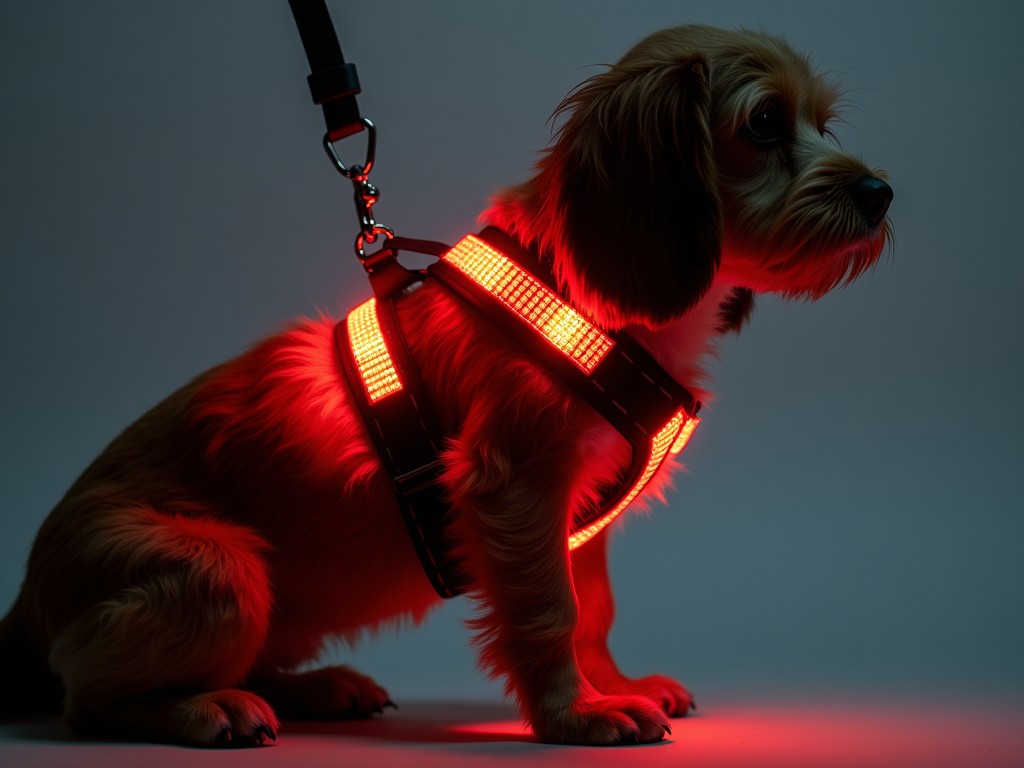
Adjustable Disabled Dog Rehabilitation Training Auxiliary Belt For Pets


Enhance Mobility for Special Needs Pets with a Disabled Dog Leash
For owners caring for special needs pets—especially those with mobility challenges—a standard leash often fails to provide adequate support. The disabled dog leash is a specialized tool, carefully engineered to aid movement and ensure these beloved companions can enjoy daily life with dignity, comfort, and safety.
The fundamental design of a disabled dog leash often includes features that go far beyond a simple tether. These leashes frequently incorporate integrated harnesses or auxiliary straps that deliver essential physical support. For dogs suffering from hind-end weakness, hip dysplasia, or post-surgery recovery, the leash can attach to a supportive sling or belt. This allows the owner to lift and stabilize the dog's rear quarters, reducing strain on weakened joints and muscles. Such direct support helps the dog maintain balance and walk, turning a challenging stroll into a manageable, therapeutic experience.
The value of a disabled dog leash lies in its ergonomic design, customized to the pet's specific condition. Leash materials are typically soft, wide, and padded in contact areas to prevent skin irritation or pressure sores—a common concern for pets with limited mobility. Handles are often designed for the owner's comfort and leverage, enabling them to lift and guide the dog without straining their own back, making the caregiving process sustainable.
This specialized support encourages the dog to stay active, which is vital for both physical and mental well-being. Regular, assisted movement helps maintain muscle tone and prevent stiffness. Moreover, the ability to safely join outdoor activities—even with help—greatly enhances the dog's quality of life and reduces anxiety. The disabled dog leash is therefore not just a leash; it is a critical tool that promotes independence, demonstrating that a special needs pet can still lead a fulfilling life with the right, compassionate equipment.
Rehabilitation Training Leash Options for Safe Recovery and Exercise
A rehabilitation training leash is an invaluable tool for pets recovering from injury or surgery, or those managing chronic conditions. These specialized leash options are designed with veterinary input to precisely aid recovery and facilitate controlled exercise, ensuring the pet's healing process is safe, structured, and effective.
The structure of a rehabilitation training leash often differs significantly from a conventional lead. They frequently include features like multiple connection points, adjustable support loops, or an integrated harness system designed for targeted support. For example, a post-operative leash might connect to both a chest harness and a pelvic sling at the same time. This setup allows the therapist or owner to control and stabilize the pet's entire body, preventing compensatory movements or excessive strain on the healing limb or joint during controlled, slow-paced walks.
The core purpose is controlled, low-impact exercise. During rehabilitation, pets need gentle, prescribed movement to rebuild muscle mass and improve joint flexibility without the risk of overexertion or reinjury. The rehabilitation training leash enables this by allowing the handler to manage the weight placed on a recovering limb or assist in maintaining proper gait symmetry. By regulating exercise, the leash actively promotes faster, more complete recovery.
Additionally, these leashes offer essential safety features. They often use highly visible materials and strong, non-slip handles to ensure the handler maintains absolute control, preventing the recovering pet from lunging or making sudden, damaging movements. The variety of rehabilitation training leash options means specific models can be selected to address conditions from spinal issues and neurological deficits to straightforward orthopedic recovery, providing a tailored approach to canine physical therapy.
How a Rehabilitation Training Auxiliary Belt for Pets Boosts Comfort and Safety
The rehabilitation training auxiliary belt for pets is a key component of post-injury care, offering crucial support that significantly enhances comfort and safety during therapeutic exercise and assisted mobility. This belt works together with a standard leash to provide the focused stabilization that pets with limited mobility need.
The design focuses on even weight and pressure distribution. Unlike using a towel, which can bunch up and apply painful pressure to sensitive areas, a dedicated rehabilitation training auxiliary belt for pets is anatomically shaped. It usually features wide, padded panels that cradle the pet's abdomen or pelvis. This design ensures that when the owner lifts to assist the pet, the lifting force is spread across a large, non-irritating area. This enhanced comfort is vital for pets who may be in pain or have sensitive surgical sites, making walking less stressful and more conducive to healing.
In terms of safety, the auxiliary belt provides the owner with immediate, secure leverage. For pets with hind limb weakness (due to conditions like degenerative myelopathy or arthritis), the belt allows the owner to stabilize the rear end and prevent accidental slips or falls that could cause severe reinjury. This controlled support minimizes the risk of the pet losing balance on uneven surfaces or during transitions, ensuring therapeutic movement is safe and consistent.
Using a separate rehabilitation training auxiliary belt for pets also gives the handler greater control over the pet's posture. By adjusting the belt tension, the handler can encourage proper alignment and gait, which is essential for successful physical therapy. Ultimately, this specialized belt provides the secure, cushioned assistance needed to facilitate safe, confident movement, making it an essential, humane tool for improving a pet's quality of life during their journey back to full health.