Wholesale Personalized Dog Collar And Tags Supplier
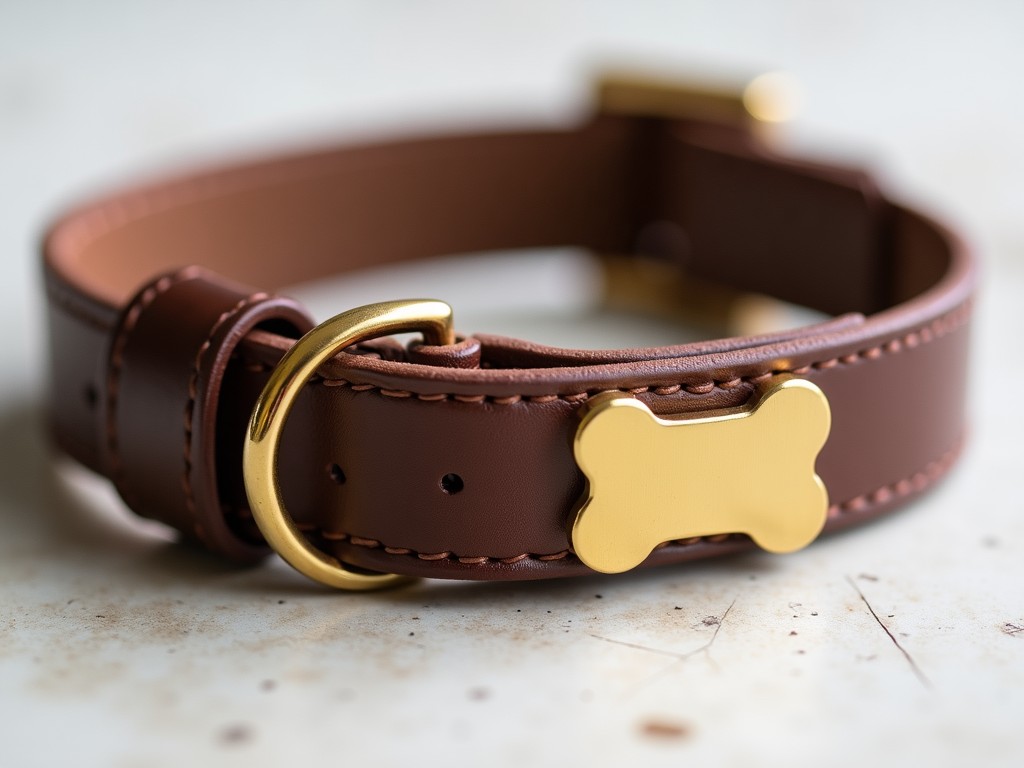
Wholesale Personalized Dog Collar and Tags Supplier
Manufacturing large-scale personalized pet accessories requires a rigorous integration of material science and precision de-marking technology. For OEM partners and distributors, selecting a supplier involves evaluating the ability to maintain structural integrity under tension while ensuring the durability of custom marking methods. This facility focuses on the production of industrial-grade hardware components designed to withstand mechanical stress, environmental exposure, and frequent cleaning cycles.
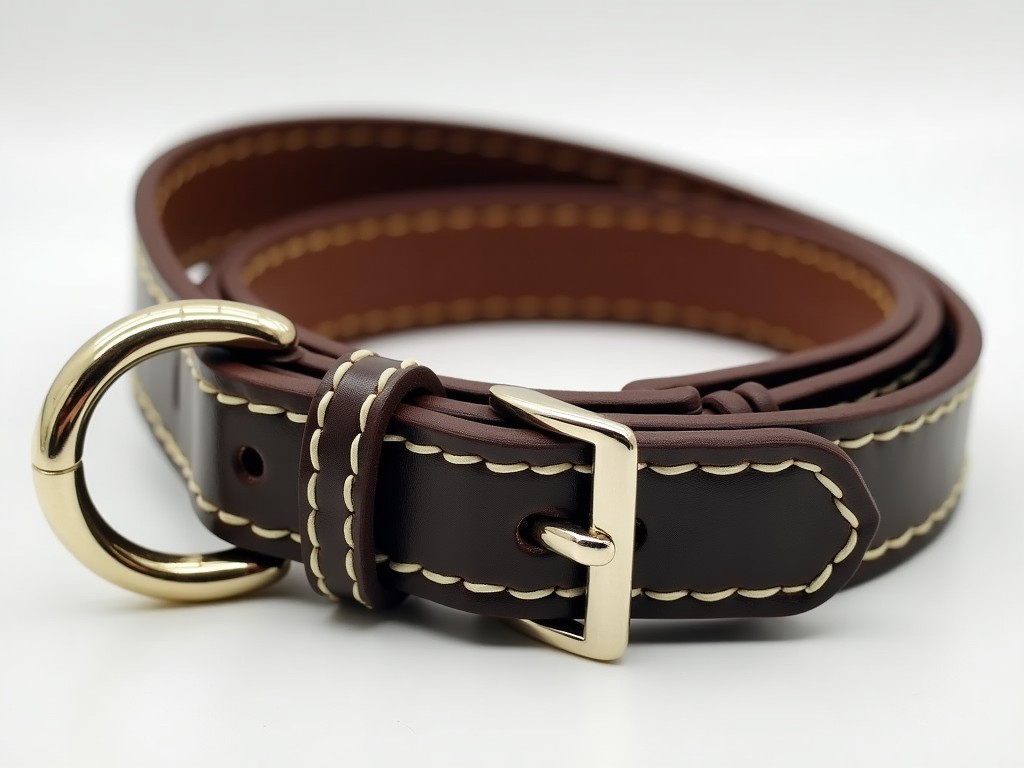
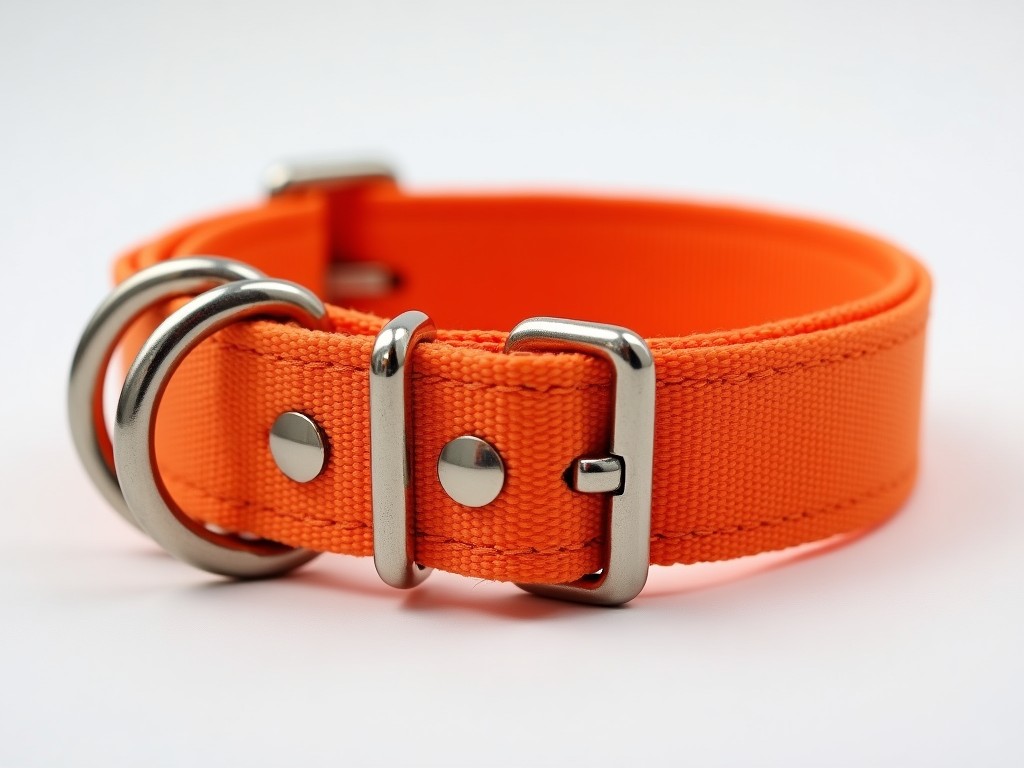
Material selection dictates the functional lifespan and safety profile of the product. While high-tensile nylon offers superior strength-to-weight ratios for active use, full-grain leather provides abrasion resistance for premium-tier applications. Understanding the mechanical properties of these substrates allows procurement managers to align product specifications with the specific needs of their target market.
Material Specifications and Performance Data
| Substrate Material | Technical Characteristics | Typical Load Capacity |
|---|---|---|
| High-Tensile Nylon | UV-resistant, hydrophobic, high-density weave | Up to 50kg |
| Full-Grain Leather | Natural fiber density, high abrasion resistance | Up to 30kg |
| Medical-Grade Silicone | Hypoallergenic, thermal stable, flexible | Up to 20kg |
| 316 Stainless Steel | Corrosion-resistant, non-magnetic | Hardware-specific |
Customization Processes and Marking Precision
Personalization is achieved through various industrial processes, each offering different levels of permanence and aesthetic. Laser engraving utilizes a high-frequency fiber beam to vaporize surface material, creating a permanent indentation that does not wear away over time. This method is preferred for metal tags where information must remain legible despite years of physical friction.
- Fiber Laser Engraving: Best for metal and hard plastics; provides high-contrast, deep marking.
- UV Silk Printing: Utilizes UV-cured inks for multi-color designs on non-porous surfaces like silicone or nylon.
- Mechanical Embossing: Deforms leather fibers to create a tactile logo without the use of external dyes.
- Sublimation Transfer: Allows for full-surface high-definition graphic prints integrated into synthetic fabric fibers.
Consistency in marking is maintained through automated CNC-controlled machinery, which ensures that every unit in a wholesale order meets the exact digital specification provided by the client. This level of precision is critical for identification-based tags where contact information or medical alerts must remain clear throughout the product's lifecycle.
Quality Control and Durability Testing
Structural reliability is verified through standardized testing protocols before any batch deployment. Buckles and hardware undergo tensile strength testing to determine the breaking point, ensuring they far exceed the rated load for safety. Furthermore, metal components are subjected to salt spray testing to evaluate their resistance to oxidation and corrosion in humid or coastal environments.
Edge integrity on collars is monitored through ultrasonic welding or reinforced stitching to prevent fraying of synthetic fibers. For leather products, stress-point analysis is performed to ensure the load is distributed evenly across the hardware, reducing the risk of material failure during high-stress movement.
Industrial and Commercial Applications
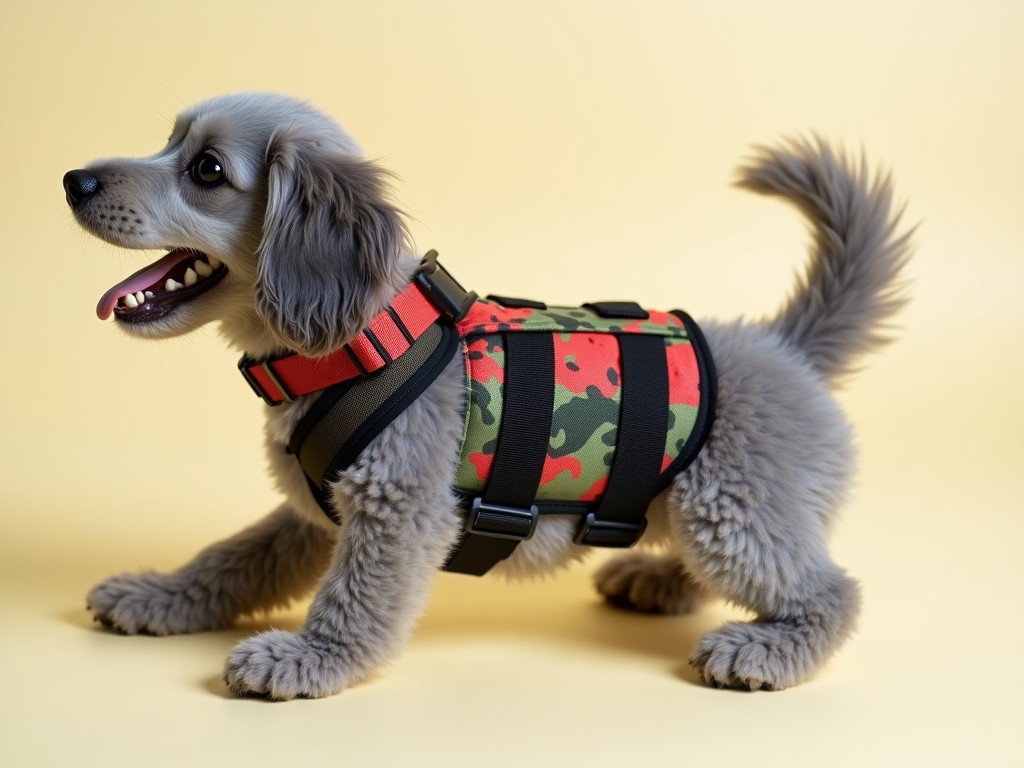
Different sectors demand specific technical attributes based on the environment of the animal. Service animal programs require high-tensile nylon collars with high-visibility personalized tags for safety and identification. In contrast, veterinary environments benefit from hypoallergenic silicone materials that can withstand frequent sterilization and chemical disinfectants without degrading.
Retail distributors often prioritize aesthetic versatility and customization options, utilizing leather-based systems with embossed branding to meet premium market demands. By matching the material properties to the specific application, buyers can reduce return rates and increase perceived value for the end-user.
Frequently Asked Questions
What is the typical minimum order quantity (MOQ) for personalized orders?
MOQs vary based on the complexity of the customization process. Standard laser-engraved tags typically have lower minimums, while custom-woven fabrics or molded hardware may require higher volumes to offset tooling setup costs.
How are lead times calculated for wholesale custom orders?
Production typically ranges from 3 to 6 weeks depending on the order volume, the specific customization method selected, and current raw material availability.
Are the export shipments protected for international transit?
Wholesale orders are packed in moisture-barrier poly and reinforced corrugated cardboard boxes to prevent mechanical scratching or water damage during global shipping.
Request Technical Specifications
Contact our engineering team to discuss material data sheets and customization capabilities for your OEM project.
Inquire for Wholesale Quotation