Wholesale Leather Training Collars For Dogs
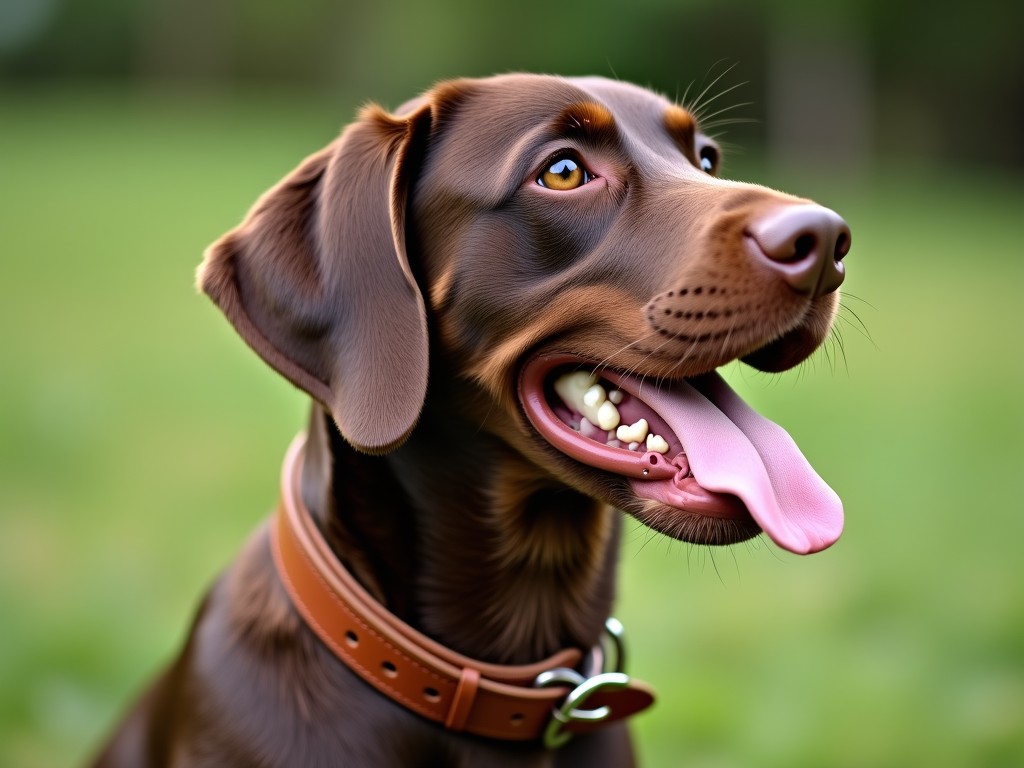
Wholesale leather training collars for dogs
The structural integrity of a training collar depends on the material's ability to withstand sudden kinetic loads without shearing. Unlike synthetic polymers that may degrade under prolonged UV exposure or thermal fluctuations, high-grade leather offers a viscoelastic response that adapts over time while maintaining dimensional stability. This adaptability is critical in professional training environments where consistent tactile feedback is required for precision-based control.
Material Analysis and Tanning Processes
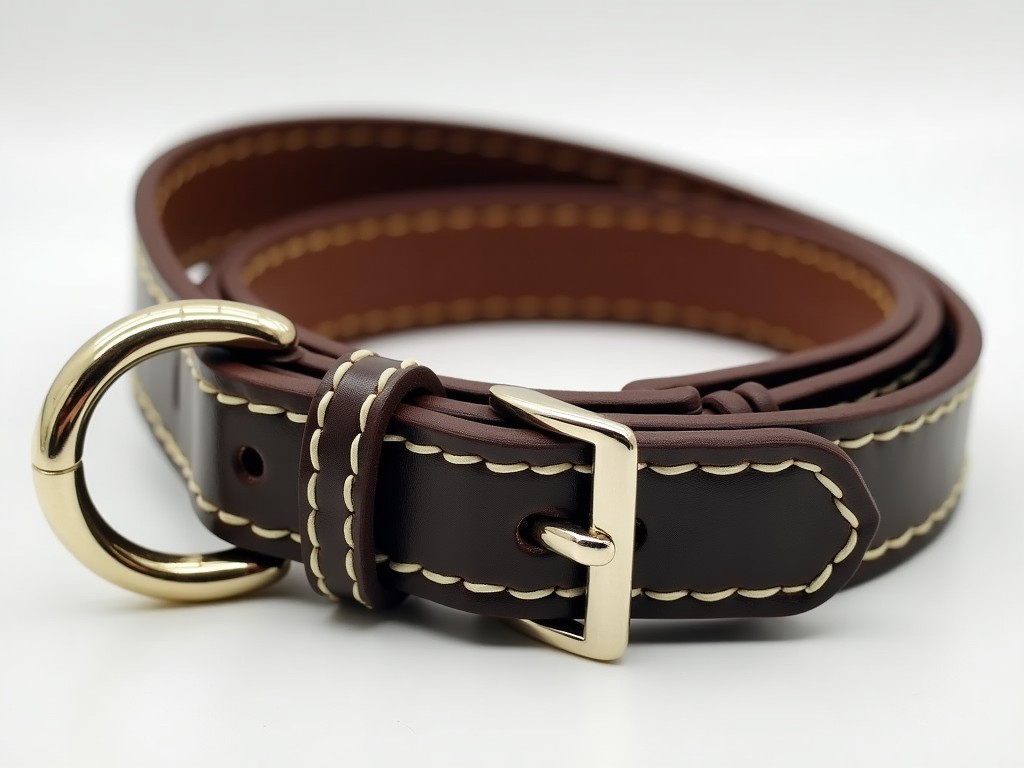
Selection of the leather grade dictates the longevity and performance of the collar. Full-grain leather, utilizing the outermost layer of the hide, retains the natural fibers that resist abrasion and tensile stress. For wholesale procurement, vegetable-tanned leather is often preferred because the tanning process uses natural tannins, resulting in a firmer material that develops a patina rather than stretching excessively like chrome-heavy alternatives.
The density of the collagen fibers determines how the collar absorbs moisture. A well-sealed leather prevents the internal fibers from rotting, which is a common failure point in outdoor training sessions. This moisture control ensures that the collar remains structurally sound throughout its lifecycle.
Design and Mechanical Construction
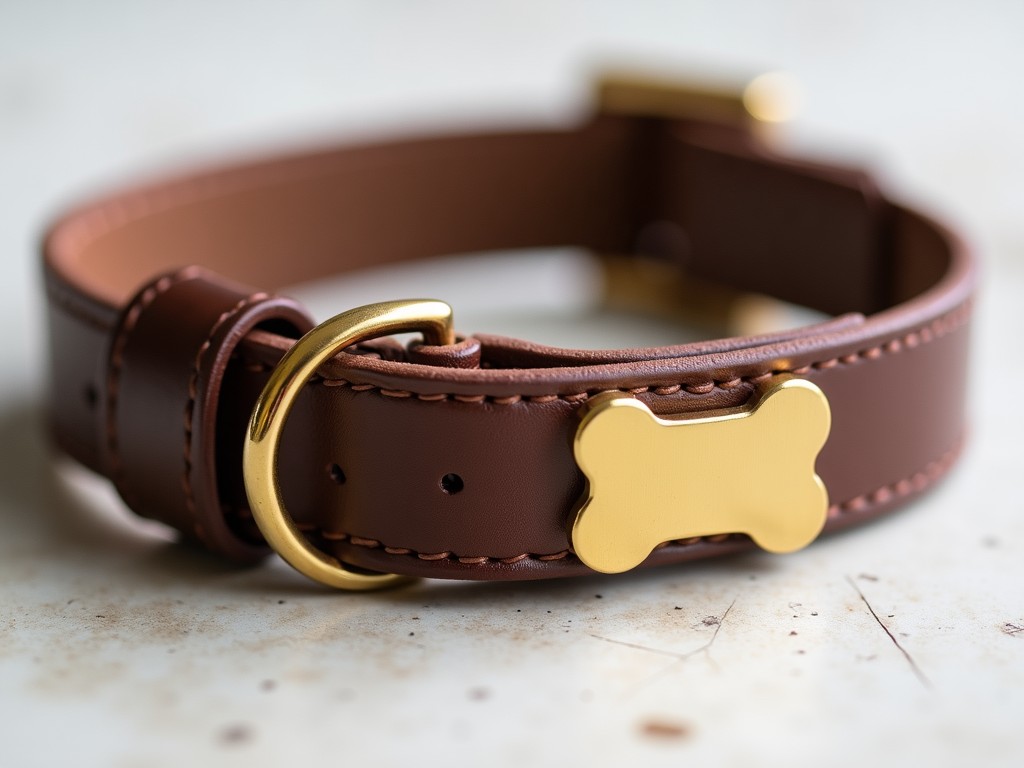
Engineering a training collar requires focus on stress points where hardware meets material. Industrial-grade collars utilize high-tenacity nylon thread with a bonded stitch pattern to prevent unraveling if one stitch is compromised. Double-stitching is standard for load-bearing zones to distribute the force across a wider surface area of the leather.
Hardware selection typically involves solid-cast materials like brass or 316 stainless steel. These materials are chosen for their corrosion resistance and ability to resist deformation under high-tension scenarios. Edges are often finished with multiple layers of edge paint or wax to prevent fraying and protect the animal's skin.
Technical Applications in Professional Training
In obedience and protection work, the trainer requires immediate communication through the lead. Leather provides a specific "give" that nylon lacks, allowing for more nuanced adjustments in the dog's head position. This tactile sensitivity is vital when training high-drive animals where precision prevents reactive behaviors.
Service dogs also benefit from leather's thermal properties in extreme climates. While synthetic materials can become brittle in sub-zero temperatures, leather maintains its flexibility, ensuring consistent performance in year-round operational environments.
Technical Specifications Comparison
| Feature | Vegetable-Tanned Leather | Chrome-Tanned Leather |
|---|---|---|
| Tensile Strength | High (Low stretch) | Moderate (Higher stretch potential) |
| Adaptability | Molds to shape | Maintains initial shape |
| Durability | Excellent against abrasion | Good flexibility |
| Maintenance | Requires conditioning/oiling | Minimal maintenance |
Customization and OEM Specifications
Wholesale orders allow for specific dimensional adjustments to meet breed-specific training requirements. Widths range from 10mm for puppy collars to 40mm for heavy-duty protection collars. Leather thickness is typically specified between 3mm and 5mm depending on the required rigidity of the collar.
Customization also includes hardware finishes such as matte black, antique brass, or polished nickel. Branding can be achieved through heat debossing or foil stamping, ensuring the logo remains visible despite heavy industrial use.
For technical specifications and bulk pricing, please contact our procurement team.
Request a Technical Quote