Wholesale Green Leather Collar For Dogs Factory
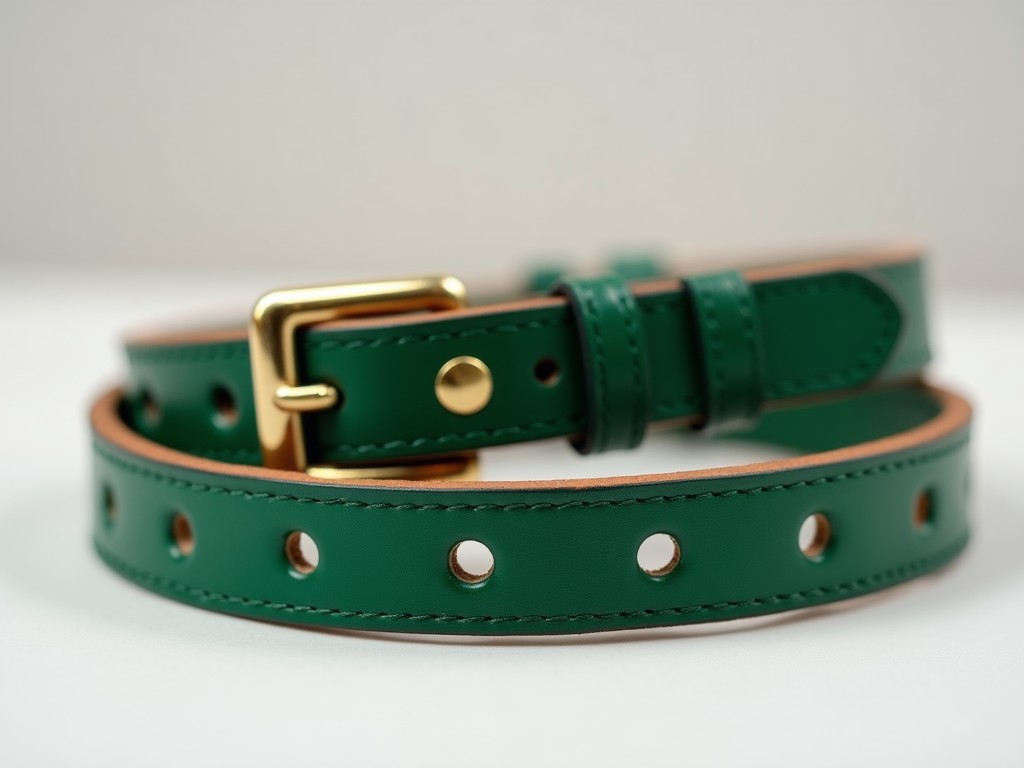
Wholesale Green Leather Collar for Dogs Factory
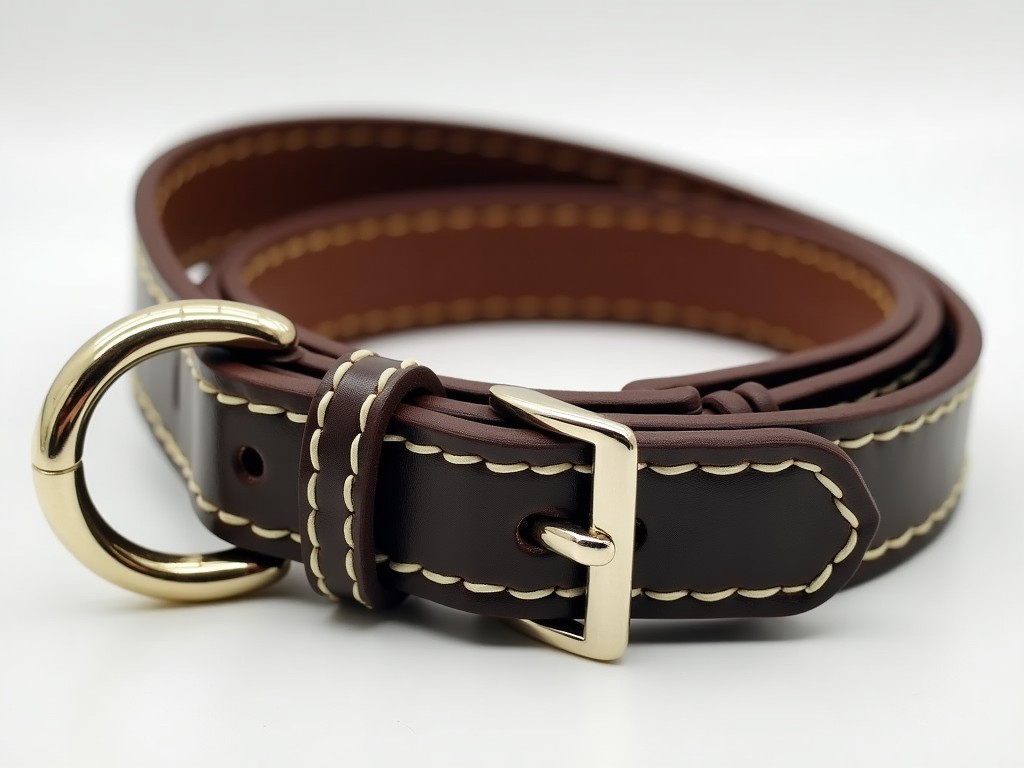
Manufacturing high-grade green leather collars requires precision in both chemical tanning processes and structural reinforcement. Our facility focuses on the high-volume production of full-grain leather goods, ensuring that the green pigment remains stable under varying UV exposure and mechanical stress. By utilizing industrial-grade leather tanning techniques, we provide distributors with products that meet the rigorous demands of both retail markets and heavy-duty working applications.
Structural integrity in each collar is determined by the density of the hide and the quality of the edge finishing. We prioritize hides that offer high tensile strength to prevent tearing, a common failure point in lower-tier synthetic alternatives. This focus on material science ensures that every wholesale order receives a consistent product that maintains its physical properties across large batches.
Technical Specifications of Green Leather Collars
| Feature | Typical Value | Notes |
|---|---|---|
| Material Type | Full-grain vegetable-tanned leather | High resistance to abrasion |
| Thickness Range | 2.5mm - 4.5mm | Customizable based on breed size |
| Tensile Strength | >150kg | Tested for load-bearing capacity |
| Hardware Material | 316 Stainless Steel / Brass | Corrosion-resistant finishes |
| Stitch Density | 8-10 stitches per inch | Reinforced with nylon thread |
Manufacturing Process and Quality Control
The production cycle begins with the rigorous selection of hides, identifying any natural structural weaknesses that could compromise the collar. Once selected, the leather undergoes a multi-stage dyeing process to ensure the green hue penetrates the fibers deeply rather than just sitting on the surface. This prevents the "rubbing" effect often seen in low-quality dyed-leather goods.
Precision cutting is achieved using CNC machinery to maintain exact dimensions across all units, which is critical for wholesale consistency. After cutting, the edges are burnished and painted with multiple layers of edge coat to create a moisture barrier, preventing leather delamination. Each unit undergoes a visual inspection to check for hardware alignment and stitch uniformity before the final curing stage.
- Load testing to verify hardware-to-leather attachment strength.
- Colorfastness testing to ensure the dye does not transfer to fur.
- Dimensional verification against specified size-grade templates.
Customization Options for OEM Buyers
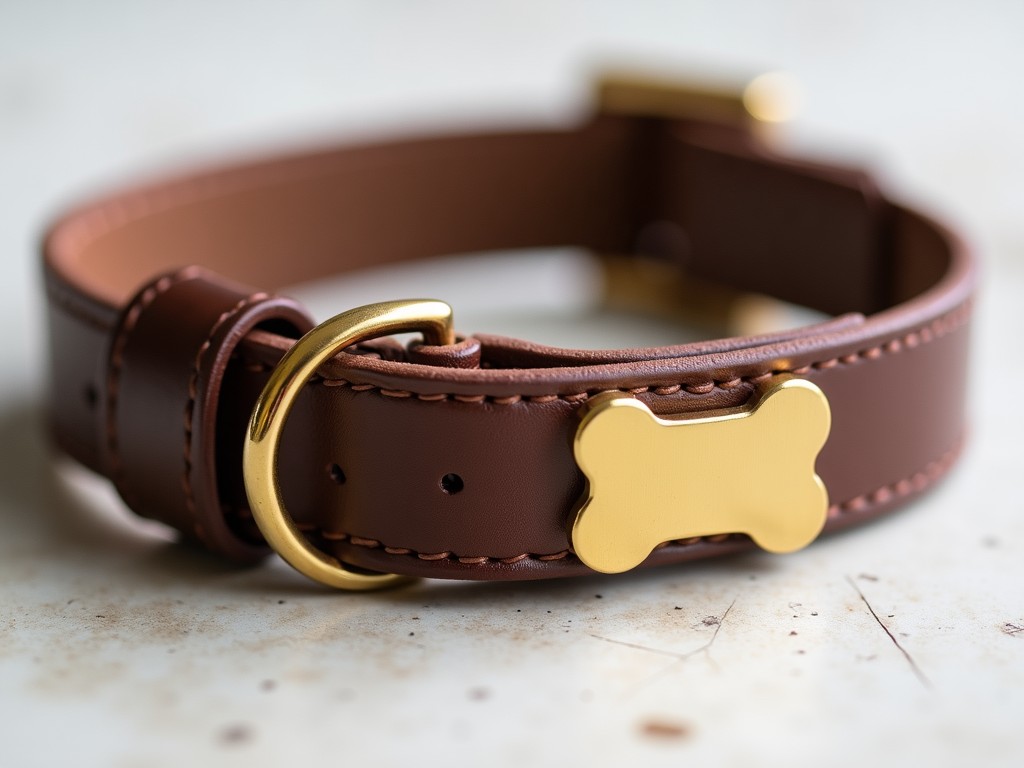
Wholesale clients access extensive customization capabilities to align the product with their specific brand identity. We offer laser-engraving for logo placement, allowing for high-definition branding that does not compromise leather surface. Hardware finishes can also be customized through matte black, antique brass, or nickel plating to match various aesthetic requirements.
Beyond aesthetics, functional modifications are available for specialized industrial needs. This includes the addition of neoprene padding for comfort in working environments or the integration of heavy-duty D-rings for lead-attachment. Technical data sheets are provided during the design phase to ensure all modifications adhere to the intended performance standards.
Applications and Durability Analysis
Leather collars are preferred in high-abrasion environments where material longevity is a primary concern. In service or working dog scenarios, the flexibility of the leather conforms naturally to the animal's neck over time, reducing friction points compared to rigid synthetics. This adaptability is a key factor in long-term value for the distributor.
In the retail sector, the green leather variant offers a premium aesthetic that appeals to consumers seeking natural materials. The material develops a patina with age, which is a significant selling point for high-end branding that synthetic materials cannot replicate.
Frequently Asked Questions
What is the minimum order quantity (MOQ) for wholesale orders?
Standard MOQ is typically 500 units, though custom OEM projects may require higher volumes depending on the hardware and dye specifications.
What is the typical production lead time for large shipments?
Standard orders generally require 30 to 45 days, accounting for material sourcing and the rigorous quality control protocols.
How are export shipments protected during transit?
Collars are wrapped in moisture-resistant polymer and packed in reinforced corrugated cartons to prevent crushing or damage during international shipping.
Interested in establishing a wholesale partnership?
Contact our technical sales team to receive a detailed quotation and technical specifications for your project requirements.
Request Wholesale Inquiry