Wholesale Fake Leather Dog Collar Supplier
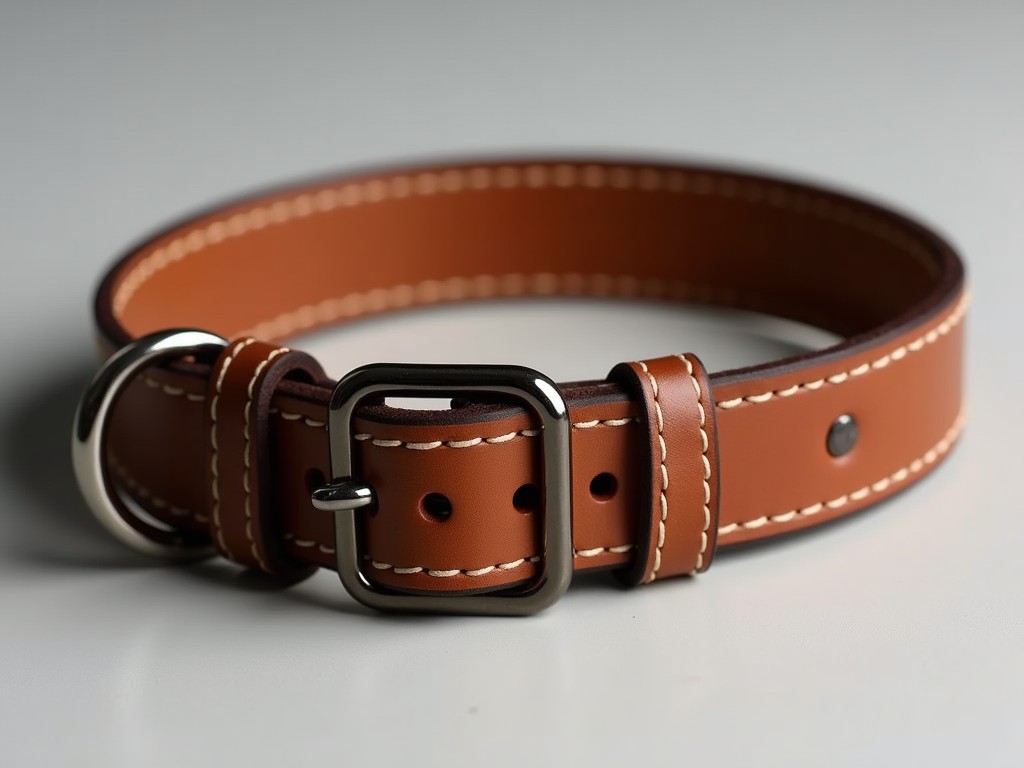
Wholesale Fake Leather Dog Collar Supplier
The manufacturing of pet accessories has shifted significantly toward synthetic leathers to meet global demands for consistency, ethical sourcing, and cost-efficiency. Wholesale suppliers providing fake leather alternatives offer specific structural advantages that natural hides often cannot match in high-volume production. By utilizing polymer-based materials, manufacturers can ensure uniform thickness across thousands of units, which is critical for maintaining standardized hardware fit.
Selecting the correct synthetic material determines the performance lifecycle and market positioning of the final product. Polyurethane (PU) is frequently preferred for premium lines where softness and breathability mimic the tactile qualities of top-grain leather. In contrast, Polyvinyl Chloride (PVC) is utilized for heavy-duty applications where resistance to abrasion and chemical exposure is the primary engineering requirement.
Material Specifications: PU vs. PVC Leather
PU leather consists of a polyurethane coating applied to a fabric base, resulting in a material with high flexibility and tensile strength. This structure allows for intricate grain embossing and vibrant color saturation that remains stable under moderate UV stress. Because PU is more porous than PVC, it reduces the risk of skin irritation for the animal during prolonged periods of wear.
PVC leather utilizes a denser polymer structure, providing a surface that is virtually impervious to water and oils. This durability makes it the industrial choice for collars intended for outdoor environments or working dogs where frequent cleaning is necessary. While stiffer than PU, its resistance to mechanical tearing ensures that the collar material does not delaminate when subjected to high-tension pulling forces.
| Feature | PU Leather (Polyurethane) | PVC Leather (Polyvinyl Chloride) |
|---|---|---|
| Tactile Profile | High flexibility, soft-touch | Rigid, structural |
| Water Resistance | Moderate | Excellent |
| Tensile Strength | High | Very-High |
| Manufacturing Cost Index | Mid-range | Economic |
Engineering Standards and Durability Factors
Structural integrity in a synthetic leather collar depends on the interface between the polymer surface and the reinforcement core. Industrial-grade production utilizes high-density polyester webbing as the internal skeleton to prevent stretching under dynamic loads. The stitch density is also calculated to distribute tension evenly, preventing the "perforation tear" effect common in lower-quality consumer products.
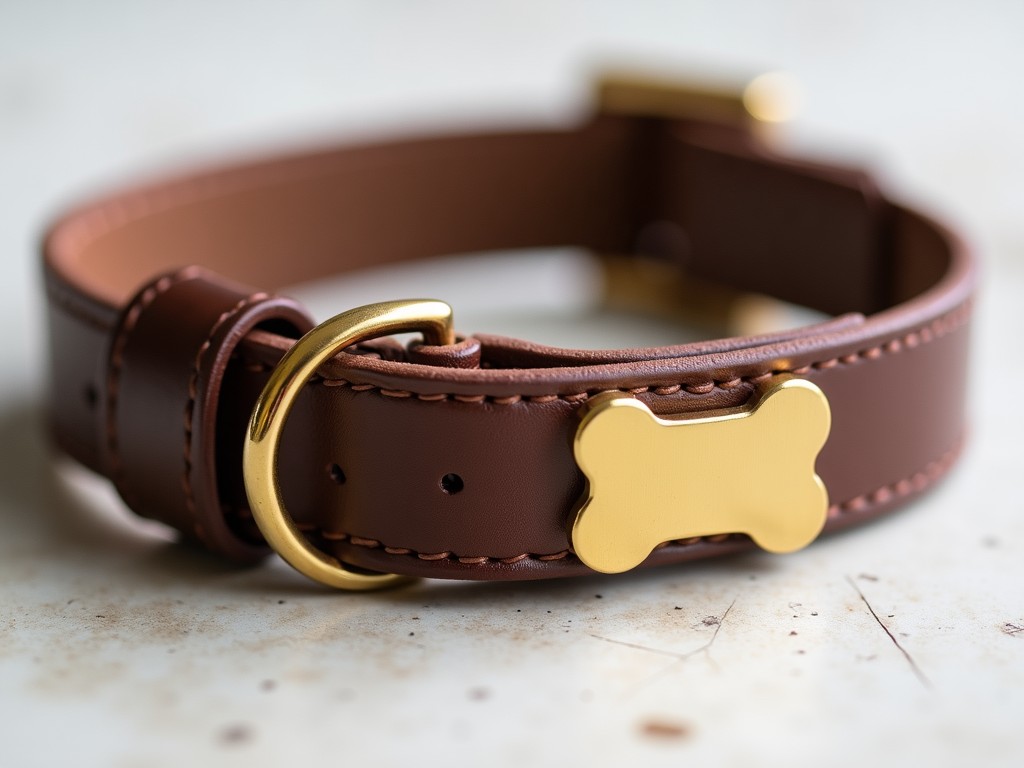
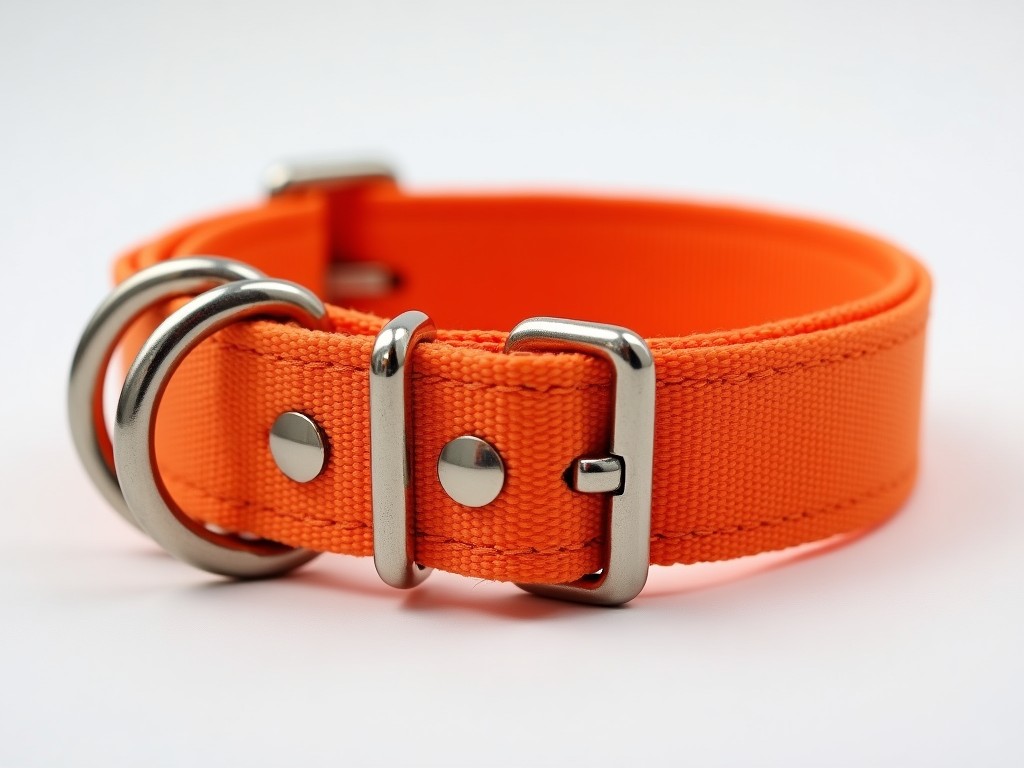
Hardware selection represents another critical variable in risk reduction for procurement managers. Suppliers typically offer zinc alloy hardware with multi-layer plating or 314 stainless steel to prevent corrosion-related failure. Evaluating the thickness of the plating ensures that the buckles and D-rings maintain their aesthetic integrity even after exposure to moisture or acidic environments.
Customization Capabilities for OEM Production
OEM manufacturing allows brands to align product specifications with specific market niches or functional requirements. Modern production lines support high-precision customization techniques that do not compromise the material's structural properties.
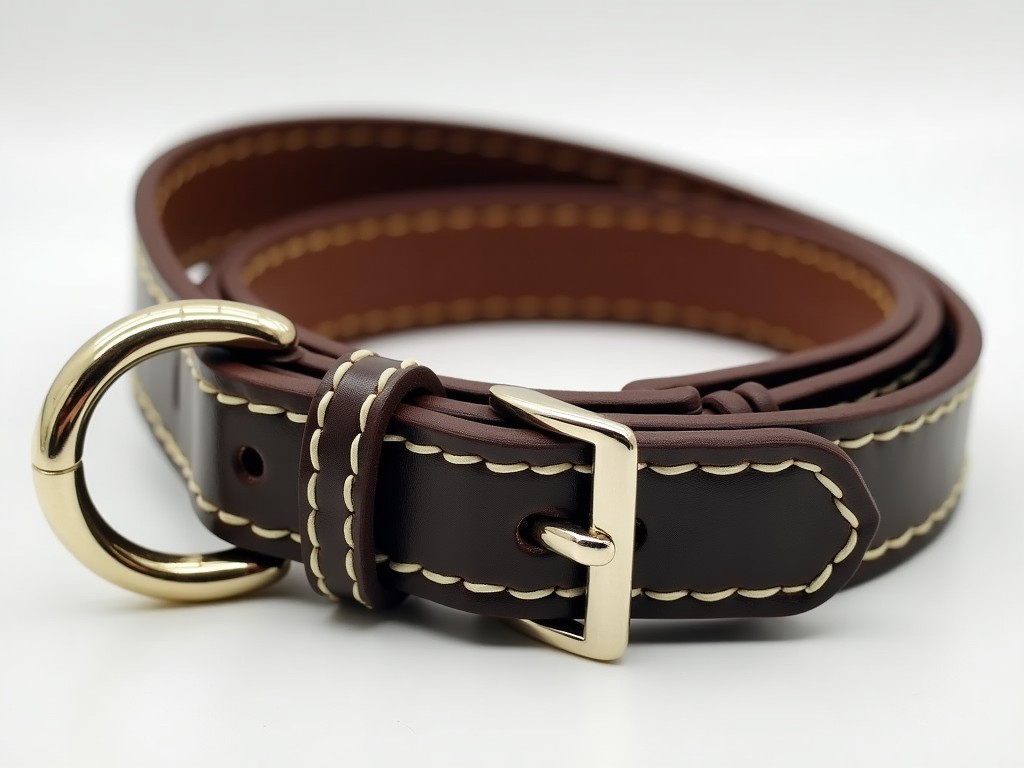
- Debossing and Laser Engraving: Precise branding logos or patterns without weakening the synthetic fibers.
- Edge Painting: Application of specialized polymer sealants to prevent fraying and provide a finished aesthetic.
- Contrasting Stitching: Utilizing high-tenacity nylon threads in varied colors for aesthetic and functional reinforcement.
- Hardware Plating: Selection of finishes such as Matte Black, Antique Brass, or Rose Gold to match brand palettes.
Quality Control and Testing Protocols
Quality assurance protocols for wholesale synthetic collars ensure that every batch meets defined safety and performance benchmarks. Testing begins with tensile strength tests, where the collar is subjected to specific Newton forces to determine the point of failure. This ensures the product can handle the weight and pull of the intended breed size.
Additionally, color fastness tests are performed to ensure that the dyes do not transfer to fur or fabric when exposed to sweat or water. Abrasion resistance tests simulate years of wear to verify that the synthetic layer does not peel or thin prematurely under standard use conditions.
Procurement and Logistics
Efficient supply chain management requires understanding the production lead times and shipping logistics. Bulk orders are typically palletized and protected with moisture-barrier wrapping to prevent material degradation during international maritime transit. Procurement teams should coordinate on minimum order quantities (MOQs) to balance inventory turnover with unit-price optimization.
Request technical specifications or a custom quote for your wholesale synthetic leather collar requirements.
Inquire for Production