Wholesale Embroidered Nylon Dog Collars Supplier
Wholesale Embroidered Nylon Dog Collars Supplier
The procurement of heavy-duty pet accessories requires a technical understanding of polymer properties and textile engineering. Industrial-grade nylon dog collars typically utilize Nylon 66, a synthetic polyamide known for its high tensile strength and superior abrasion resistance compared to standard polyester alternatives. For wholesale distributors and OEM partners, selecting a supplier that prioritizes weave density ensures that the final product maintains structural integrity under repetitive mechanical stress and exposure to environmental elements.
Manufacturing begins with the selection of the webbing pattern, which dictates the collar's flexibility and durability. A tighter weave provides a more stable surface for embroidery, which is critical for maintaining high-definition branding. By controlling the thread count during the loom process, we produce collars that resist fraying even after repeated cleaning cycles or high-activity use cases.
Technical Specifications of Industrial Nylon Weave
| Material Property | Technical Specification | Industrial Benefit |
|---|---|---|
| Polymer Type | Nylon 66 (Polyamide) | High melting point and tensile resistance. |
| Weave Density | High-density Flat Weave | Prevents thread penetration and fraying. |
| Tensile Strength | 400kg - 1200kg (varies width) | Safety margin for large-breed applications. |
| Moisture Absorption | Under 4% | Prevents weight gain and promotes drying. |
Embroidery Techniques and Structural Durability Factors
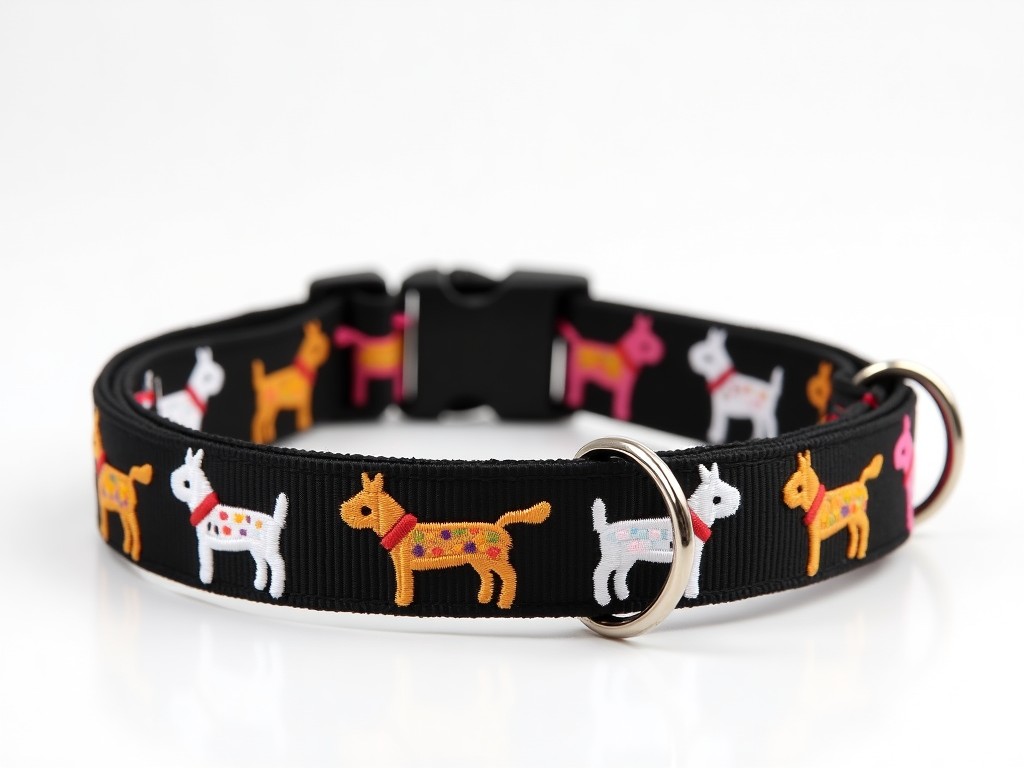
Embroidery on nylon webbing is more than an aesthetic choice; it is a structural reinforcement method. High-density satin stitches or flat embroidery are used to lock the fibers of the nylon, preventing the edges of the collar from unraveling under tension. We utilize-spun polyester threads which offer high UV resistance and color stability, ensuring that logos do not degrade under prolonged outdoor exposure.
The interface between the embroidery needle and the nylon substrate is calibrated to prevent fiber shearing. If the stitch density is too high, it can compromise the webbing's elasticity, leading to points of failure. Our process involves tension-controlled stitching that ensures the embroidery remains flexible without sacrificing the load-bearing capacity of the underlying nylon base.
Hardware Integration and Load Testing
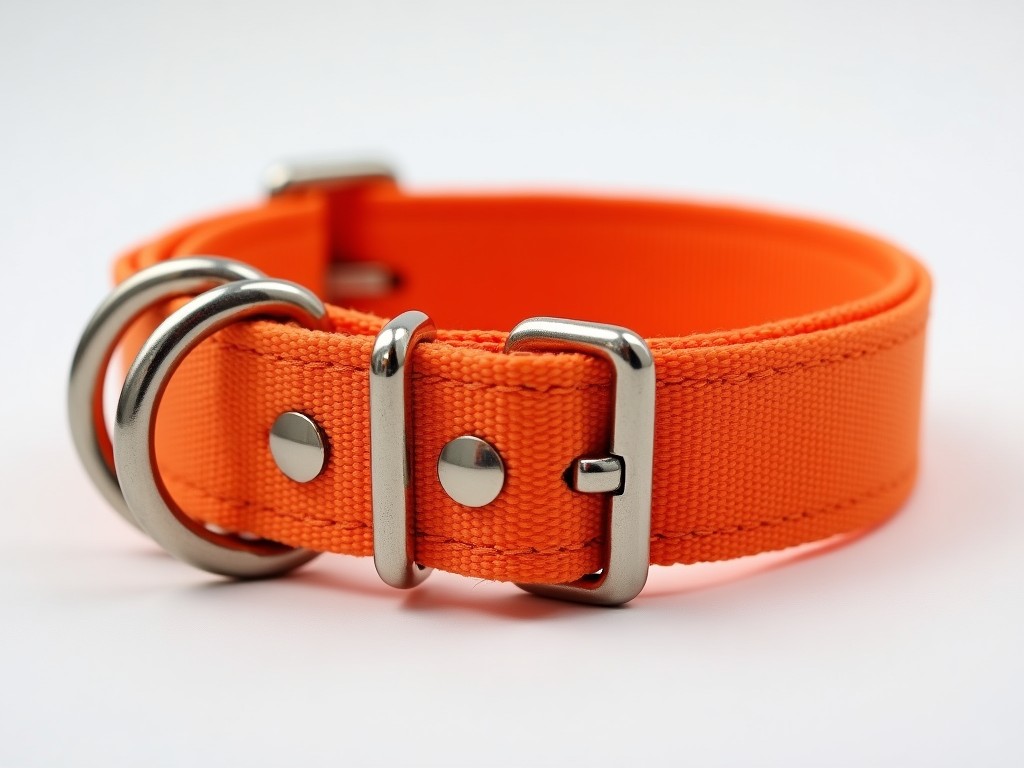
Hardware selection is the primary point of failure in many collar assemblies. We offer various hardware options, including zinc-alloy with powder-coating and 304-grade stainless steel. Stainless steel is preferred for environments where high exposure to salt water or chemicals occurs, whereas zinc-alloy provides a cost-effective solution for high-volume retail applications.
Every hardware component, from the side-release buckles to the D-rings, is subjected to load testing during production. We verify that the breaking point of the hardware exceeds the tensile strength of the webbing itself to maintain a safety margin. Hardware is secured using reinforced box-stitching or bar rivets to distribute force across a wider surface area of the nylon material.
Customization Capabilities for OEM Buyers
OEM buyers often require precise customization to meet specific market demands. Our capabilities include Pantone color matching for both the nylon webbing and the embroidery threads, ensuring brand consistency. We provide various widths ranging from 15mm for small breeds to 50mm for heavy-duty working-large-breed collars.
- Custom Branding: Multi-color embroidery with high-density stitching.
- Hardware Finish: Matte black, nickel plated, or natural steel.
- Reflective Integration: Insertion of reflective filaments for low-visibility safety.
- Sizing: Custom length specifications for specific breed requirements.
Quality Control and Inspection Standards
Quality assurance is managed through a multi-stage inspection process designed to mitigate risk for distributors. This includes dimensional stability testing to ensure collars do not shrink or stretch excessively after manufacturing. We also perform colorfastness tests to ensure that the dye does not bleed onto fur or fabric when wet.
Final inspection involves a visual audit of the embroidery tension and a functional check of all hardware mechanisms. By adhering to strict internal protocols, we ensure that every batch meets the technical requirements outlined in the initial project order and specification sheet.
FAQ Procurement-related Questions
What is the typical production lead time for wholesale custom orders?
Lead times typically range from 25 to 45 days depending on order volume, the complexity of the embroidery, and current manufacturing capacity.
Can samples be arranged before mass production?
Yes, we provide pre-production samples to verify material quality, embroidery accuracy, and sizing before the full run begins.
How are export shipments protected?
Wholesale orders are packed in industrial-grade polybags and reinforced corrugated cardboard boxes to prevent moisture and mechanical damage during international transit.
Are you seeking technical specifications or a quote for a wholesale project?
Request a Technical Quotation