Wholesale Dog Walking Collars China Supplier
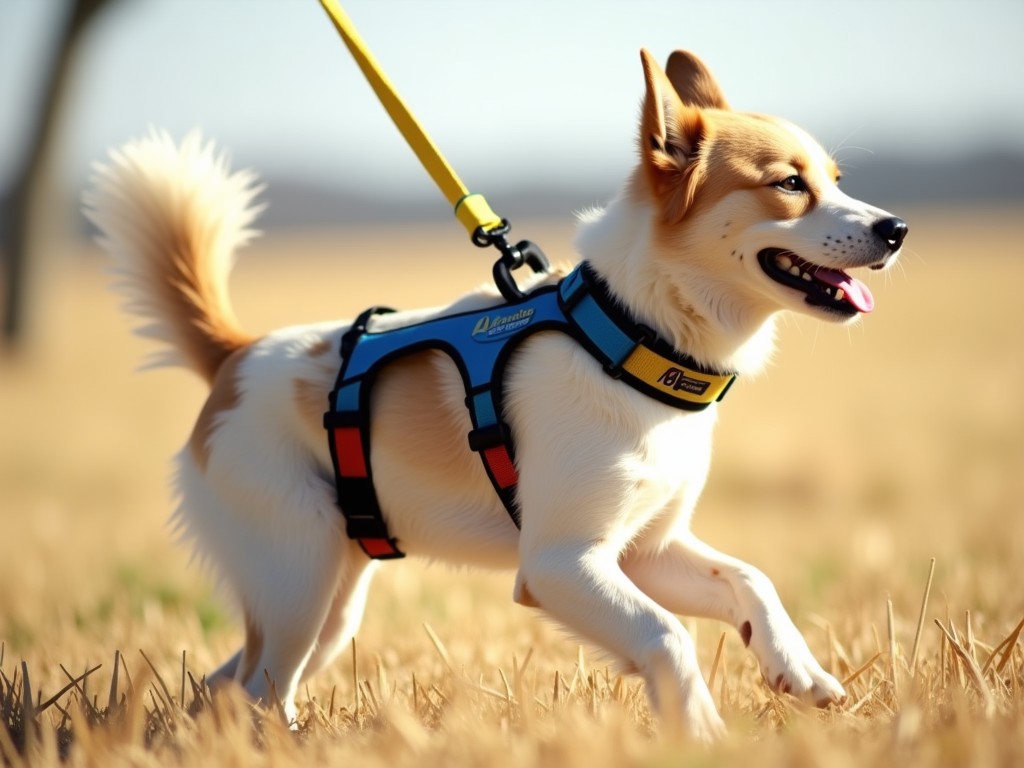
Wholesale Dog Walking Collars China Supplier: Manufacturing and Procurement Guide
Sourcing dog walking collars from a Chinese-based manufacturer requires a technical understanding of material science and mechanical stress to ensure hardware integrity. Procurement managers must look beyond aesthetic appeal to evaluate the tensile strength of webbing, abrasion resistance of coatings, and the durability of the fastening mechanisms. Professional-grade manufacturing facilities focus on the production of high-density synthetic polymers and metal alloys capable of maintaining structural stability under high-tension loads.
Material selection dictates the lifecycle of the product in varied environments. While standard woven nylon is common due to its strength-to-weight ratio, specialized materials like silicone-coated biDensity offer different benefits regarding thermal stability and ease of maintenance. Understanding the molecular composition of these materials allows distributors to match specific collars with the physiological demands of different dog breeds and use-case scenarios.
Engineering Considerations for High-Performance Dog Collars
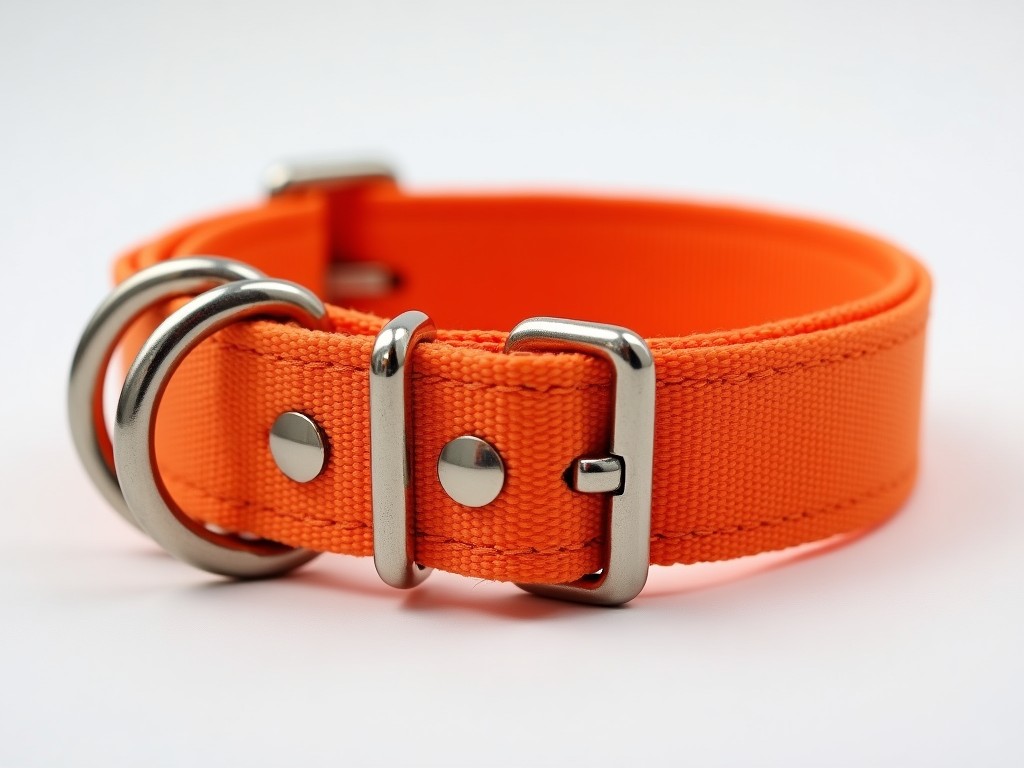
The primary failure point in any walking collar is typically the junction where the webbing meets the hardware. High-grade production utilizes tubular nylon webbing, which distributes load more evenly across the fiber surface area compared to traditional flat-weave variants. Engineers evaluate the bar-tack stitching density—measured in number of reinforced stitches per centimeter—at stress points to prevent fraying during sudden jerks or reactive movements.
Edge finishing is another critical factor in preventing material degradation. Raw edges on synthetic leather or nylon must be heat-sealed to prevent moisture ingress and subsequent fraying. Manufacturers that utilize ultrasonic welding or heat-cutting technology ensure that the structural integrity of the collar remains consistent even after repeated exposure to UV radiation and cleaning agents.
Hardware Integrity and Tensile Strength
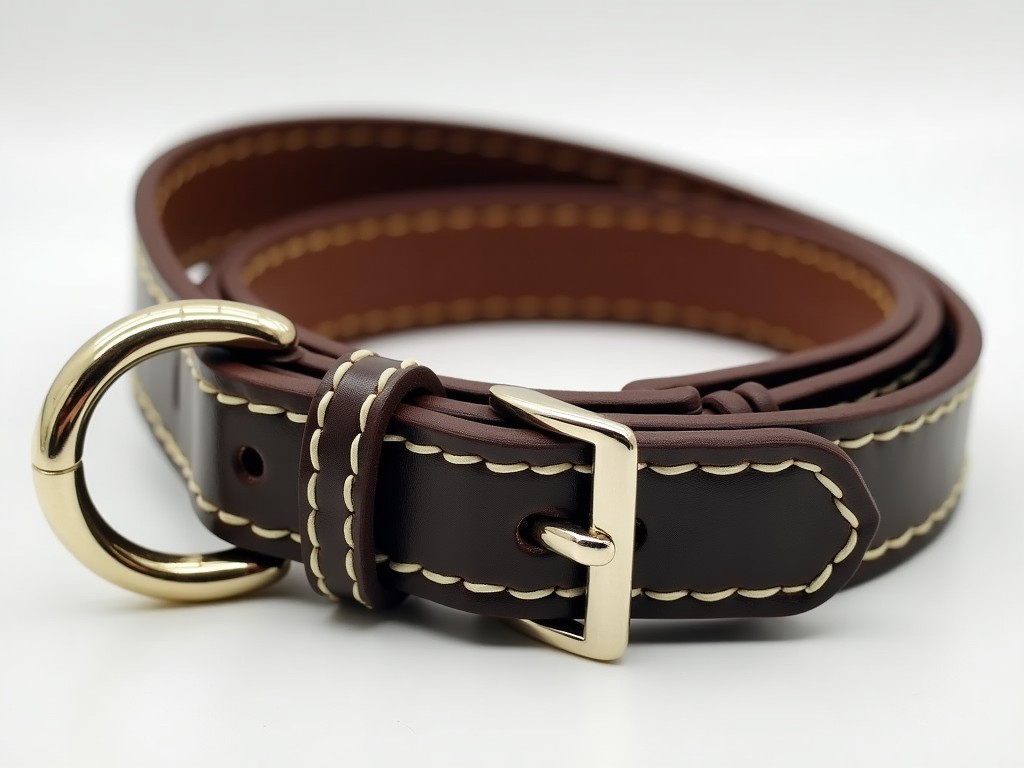
Hardware components define the safety factor of the collar. Industrial-grade buckles often utilize zinc alloy for cost-effectiveness, but 304 stainless steel or acetal-plastic components offer superior resistance to corrosion and mechanical fatigue. For heavy-duty applications, quick-release mechanisms made from metal hardware are preferred because they do not deform under pressure or become brittle in sub-zero temperatures.
The D-ring serves as the primary attachment point for the leash, and its load point must be forged rather than welded to ensure the metal does not fracture under shear stress. Procurement teams should specify the load-bearing capacity requirements, as standard-grade collars are often rated to withstand forces exceeding 200kg, depending on the material thickness.
Material Comparison Matrix
| Material Type | Tensile Strength | Primary Benefit | Typical Application |
|---|---|---|---|
| Woven Nylon | High (500kg+) | Lightweight durability | Daily urban walking |
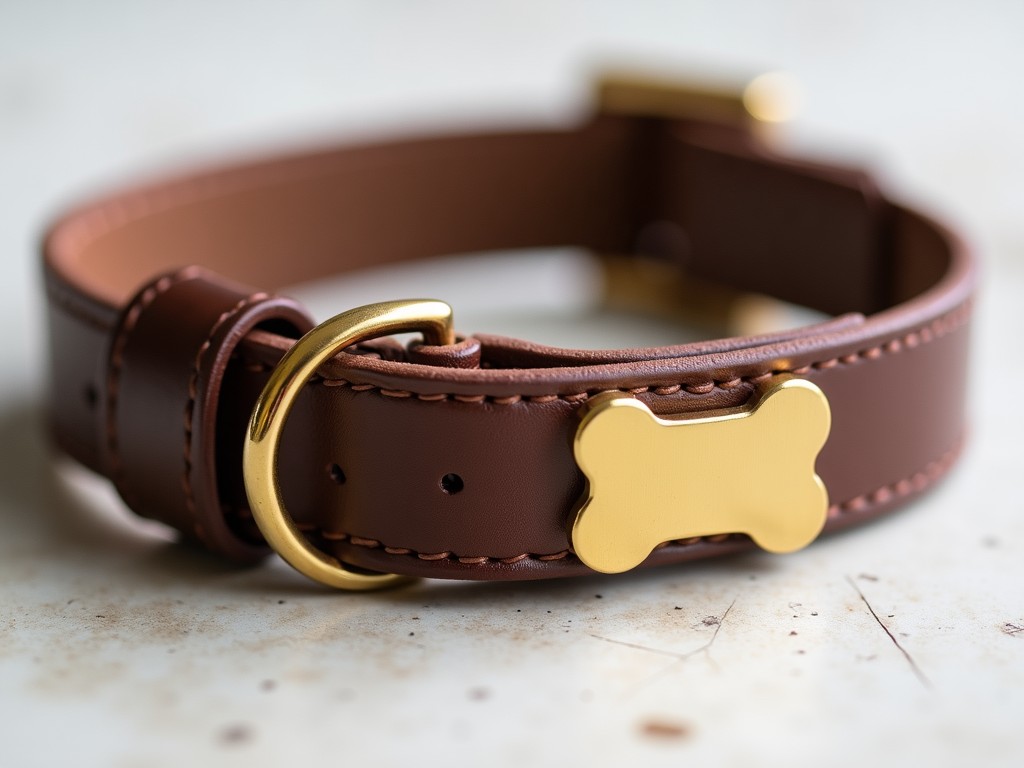
| Synthetic Leather (PU) | Medium | Water resistance | Fashion/Luxury line |
| Silicone Coated | Medium | Hypoallergenic/Easy clean | Tactical/Outdoor use |
| BiDensity Polyester | Very High | Low stretch factor | Heavy-duty working dogs |
Manufacturing Standards and Quality Assurance Protocols
Quality control in a professional manufacturing environment involves multi-stage testing protocols. This includes pull-test cycles where collars are subjected to mechanical force until failure to determine the actual breaking-point limits. Additionally, hardware salt spray tests are performed on metal components to ensure they will not rust when exposed to high humidity or coastal air environments.
Batch consistency is maintained through automated cutting machines and precision sewing equipment, which ensures that the width and thickness of the collars remain uniform across thousands of units. For OEM buyers, this consistency is vital for maintaining brand standards and reducing return rates due to defects.
Customization Capabilities for OEM Production
Customization extends beyond simple color variations. It involves technical modifications such as varying webbing widths (from 15mm to 50mm), integrating reflective filaments for low-visibility safety, and utilizing custom hardware finishes. Branding is typically achieved through heat-transfer printing, screen printing, or woven labels, ensuring that the logo does not peel or fade under mechanical abrasion.
Specific design requirements can be integrated into the production line, such as adding padded sections with breathable neoprene-foam to prevent fur irritation or designing collars with ergonomic concave shapes for pressure distribution. This allows distributors to create niche product lines that cater to specific anatomical needs within the pet market.
Sourcing Logistics and Global Distribution
Sourcing from a Chinese supplier requires a clear understanding of lead times and export logistics. Typical production lead times for wholesale orders range from 25 to 45 days depending on order complexity and material availability. Packaging must be designed for international transit, utilizing moisture-barrier polybags and reinforced corrugated cartons to prevent structural damage during sea freight.
International buyers should request detailed technical documentation, including certificates of origin and material reports, to ensure compliance with local import regulations. Establishing a clear sampling phase prior to bulk production is a standard risk-reduction strategy to verify technical specifications.
Request technical specifications and bulk pricing.
Our engineering team is available to provide detailed data sheets and customization capabilities for OEM projects.
Contact our export department for a formal quotation.