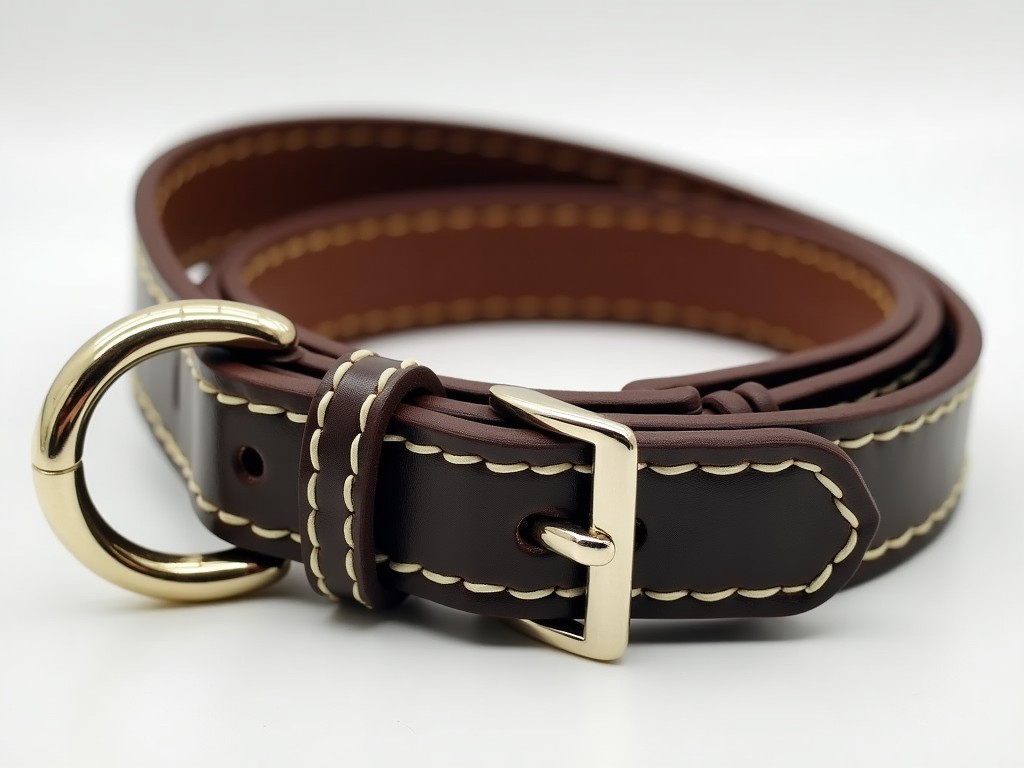
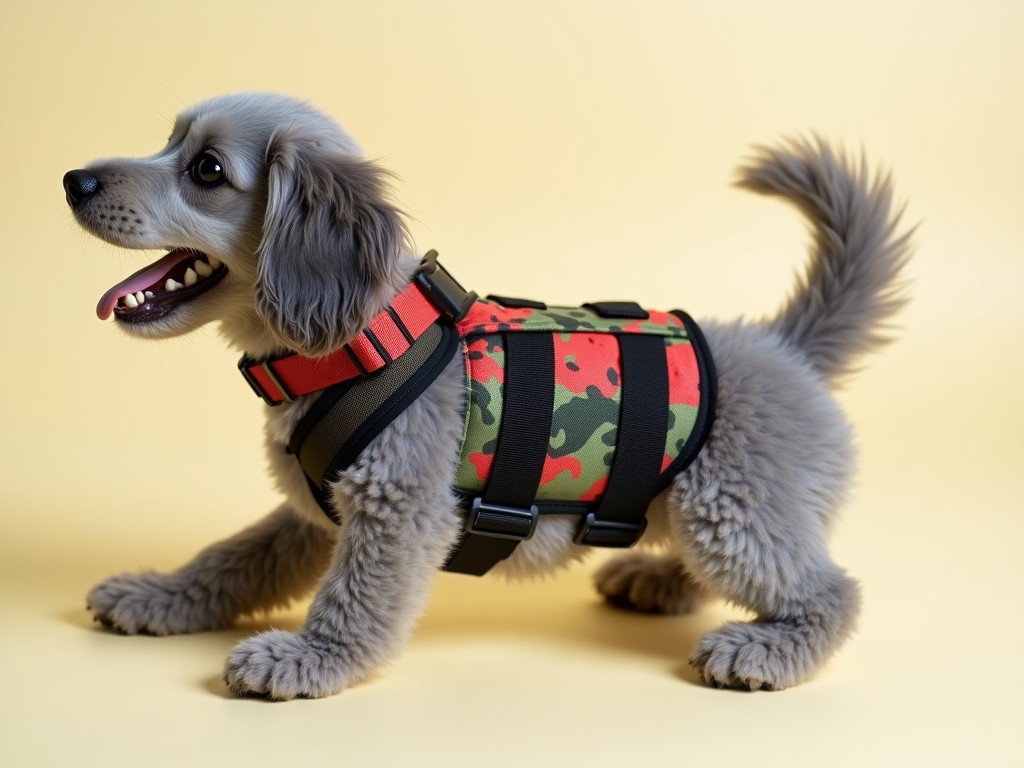
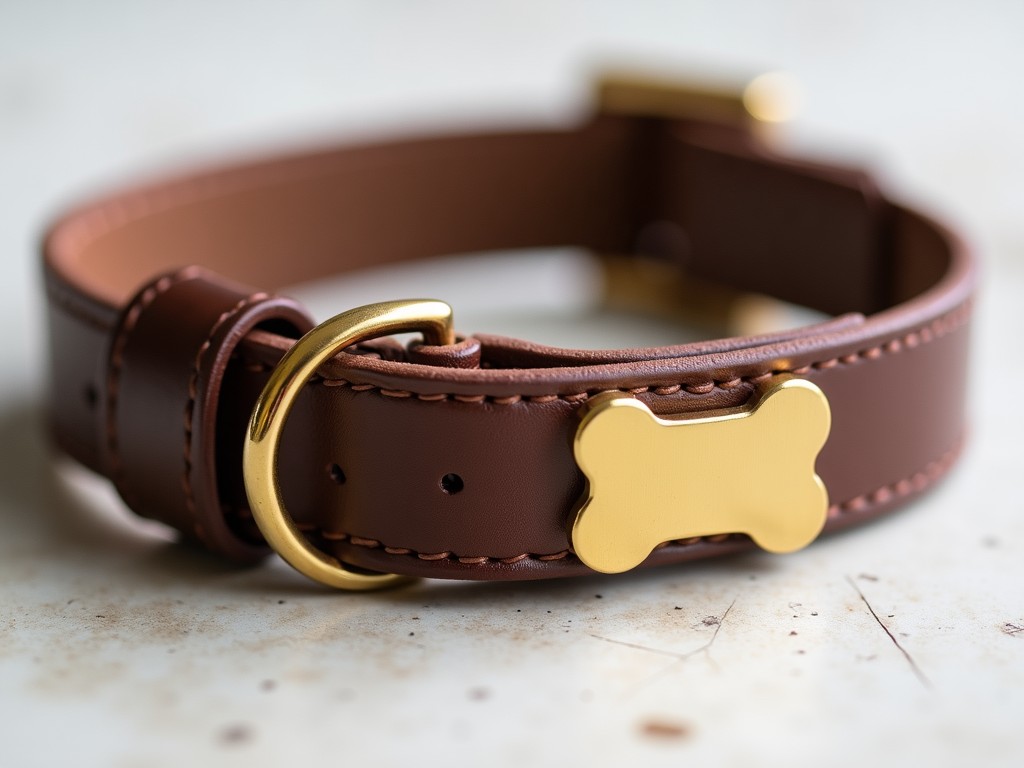
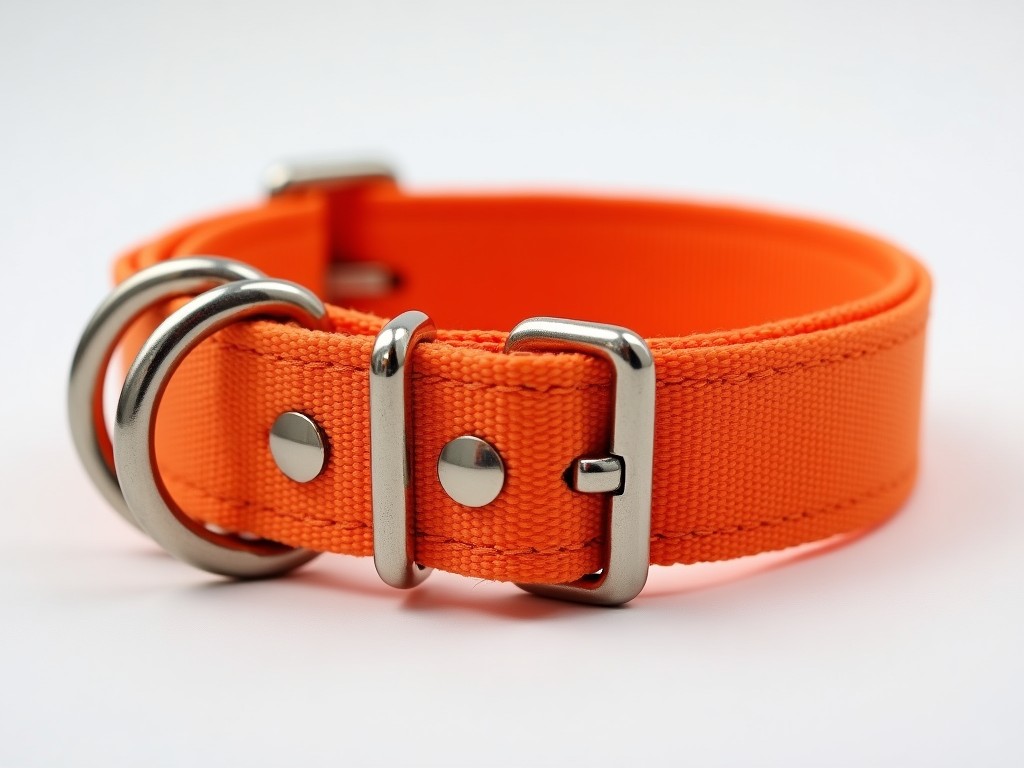
Waterproof Flashing Dog Collar Manufacturer
Waterproof Flashing Dog Collar Manufacturer
The engineering of high-performance pet gear requires a sophisticated approach to moisture management to prevent the structural degradation of internal fibers. Waterproof flashing refers to the specialized outer protective membrane—often laminated or bonded over the collar substrate—designed to prevent the ingress of water, salt, and contaminants. This barrier protection is critical for collars equipped with GPS tracking modules or those used in marine and aquatic environments where water saturation can lead to hardware failure or material rot.
Traditional nylon collars rely on simple stitching, which creates capillary channels that allow water to permeate through the weave. Our manufacturing process utilizes advanced flashing techniques to ensure that the core material remains dry. By isolating the load-bearing fibers from environmental exposure, we reduce weight gain during submersion and maintain the tensile integrity of the collar over repeated drying cycles.
Material Selection for Durable Waterproofing
Selecting the correct polymer for flashing determines the performance under extreme environmental stress. Different materials offer distinct mechanical properties regarding flexibility, abrasion resistance, and chemical stability. Industrial buyers evaluate these based on the specific operational environment of the end user.
- Thermoplastic Polyurethane (TPU): Known for high abrasion resistance and flexibility. TPU flashing provides a rugged, non-slip surface that is easy to clean and resistant to oils and acids.
- Closed-Cell Neoprene: Often used for cushioning and insulation. The closed-cell structure prevents water absorption within the foam matrix itself, even if the outer skin is slightly compromised.
- Medical Grade Silicone: Utilized for extreme temperature resistance and biocompatibility. Silicone remains flexible in sub-zero temperatures, though it requires specific bonding agents compared to TPU.
| Material Type | Waterproof Rating | Tensile Strength | UV Resistance |
|---|---|---|---|
| TPU Lamination | Hermetic (Surface) | High | Excellent |
| Bonded Neoprene | High (Resistant) | Medium | Good |
| Silicone Coating | High (Surface) | Medium | Superior |
Manufacturing Processes and Structural Integrity
The method of attaching the waterproof flashing is as vital as the material itself. Traditional sewing creates thousands of perforations that serve as entry points for moisture. To mitigate this, industrial-grade manufacturing utilizes ultrasonic welding and heat-pressure thermal bonding.
Ultrasonic welding uses high-frequency acoustic waves to create localized friction at the interface, melting the polymers together. This results in a hermetic seal that is stronger than the base material itself. For collars requiring integrated electronics, this process ensures that the internal compartments remain IP67 or IP68 rated, protecting against high-pressure water jets and temporary submersion.
Quality control in the production line involves rigorous testing of the bond strength. We perform peel-tests to ensure that the flashing does not delaminate under the mechanical stress of a working dog, such as when pulling on a lead or navigating through dense brush. By controlling the temperature, pressure, and duration of the bonding process, we achieve consistent results across high-volume production runs.
Industrial and Performance Use Cases
Waterproof flashing collars are not merely for aesthetics; they are functional requirements for specific professional sectors. Equipment reliability is non-negotiable when failure can lead to loss of assets or mission critical data.
Marine and Coastal Operations: Dogs working on boats or constant exposure to salt spray face corrosive environments. The waterproof flashing prevents salt crystals from accumulating within the collar fibers, which would otherwise cause the material to become brittle and abrasive over time.
Search and Rescue (SAR): In land-based SAR, dogs often operate in high humidity or heavy rain. Waterproof flashing ensures that GPS collars and thermal sensors remain functional, providing real-time data to command centers regardless of weather conditions.
<Customization Options for OEM Partners
As a dedicated manufacturer, we provide comprehensive customization to meet specific brand and technical requirements. Customization extends beyond visual aesthetics to the fundamental mechanical architecture of the product.
- Hardware Integration: Selection of 316-stainless steel, anodized aluminum, or high-strength polymers for buckles and D-rings to ensure they are corrosion-resistant and compatible with the flashing material.
- Variable Widths: Engineering collar widths to accommodate specific breeds or specialized mounting hardware for heavy-duty harnesses.
- Customized Branding: Laser-etching or heat-transfer printing on the flashing layer to ensure logos without compromising the waterproof barrier.
- Reflective Inlays: Integrating high-visibility reflective filaments directly into the flashing for safety in low-light environments.
Are you looking to develop a custom waterproof dog collar line? We provide technical data sheets and material samples for OEM partners.
Request Technical Specifications & Quotation