Soft Leather Collars For Small Dogs Supplier
Soft Leather Collars for Small Dogs Supplier
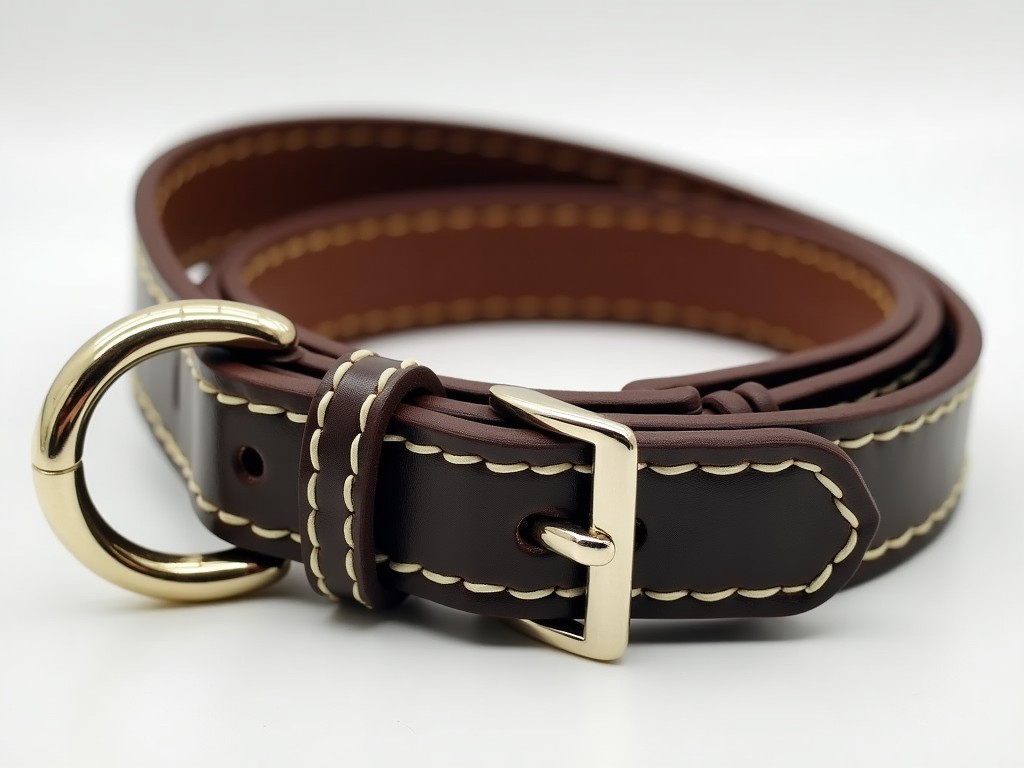
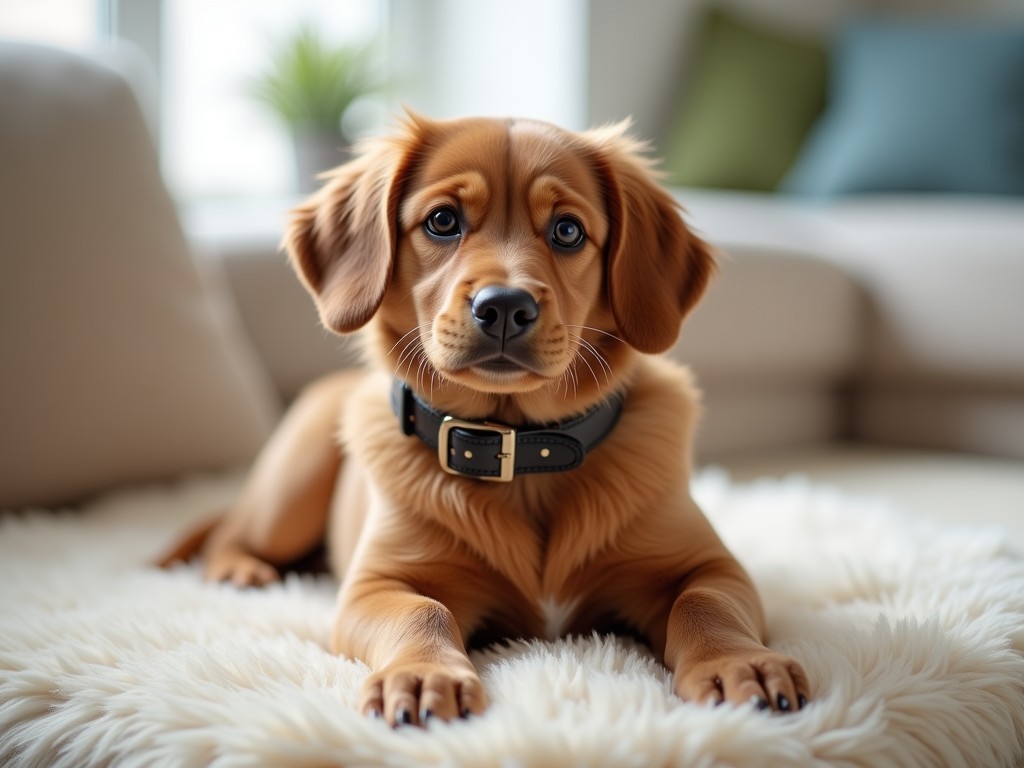
Sourcing collars for small breeds requires a precise balance between structural integrity and material flexibility to prevent mechanical irritation against sensitive cervical skin. Industrial suppliers focus on soft-grade leathers that offer high tensile strength while maintaining a low profile for ergonomic comfort. Unlike heavy-duty equipment designed for large working animals, these components utilize thinner hides and specialized tanning processes to ensure the collar conforms to smaller anatomical contours without restricting movement.
Material Selection and Tanning Dynamics
The choice of leather determines the longevity and tactile properties of the product. Vegetable-tanned leather is frequently specified for premium OEM applications because it utilizes natural tannins, resulting in a firmer structure that develops a patina over time. In contrast, mineral-t chrome-tanned leather offers higher water resistance and a consistent softness, which may be preferable for high-volume retail distribution where immediate comfort is a priority.
Thickness management in small dog collars typically ranges from 1.5mm to 2.5mm. This specific range ensures the collar remains lightweight enough to avoid neck strain while providing enough material to withstand sudden loads during lead tension. We evaluate hides based on grain density to ensure the fiber structure is uniform, minimizing the risk of tearing under repetitive stress.
Technical Specifications
| Parameter | Standard Range | Customizable Options |
|---|---|---|
| Material Width | 10mm - 20mm | Up to 25mm |
| Leather Thickness | 1.5mm - 2.2mm | Upon project request |
| Tensile Strength | Min. 50kg load | Based on hide density |
| Hardware Material | Solid Brass, Stainless Steel | Zinc alloy (coated) |
Manufacturing and Quality Control
Construction quality in leather collars hinges on stitching technique and edge treatment. We utilize high-density bonded nylon thread, which resists fraying and ensures that even if one stitch is compromised, the entire seam remains intact. The stitch density is calculated to prevent piercing too many leather fibers, which could otherwise lead to structural failure over long-term use.
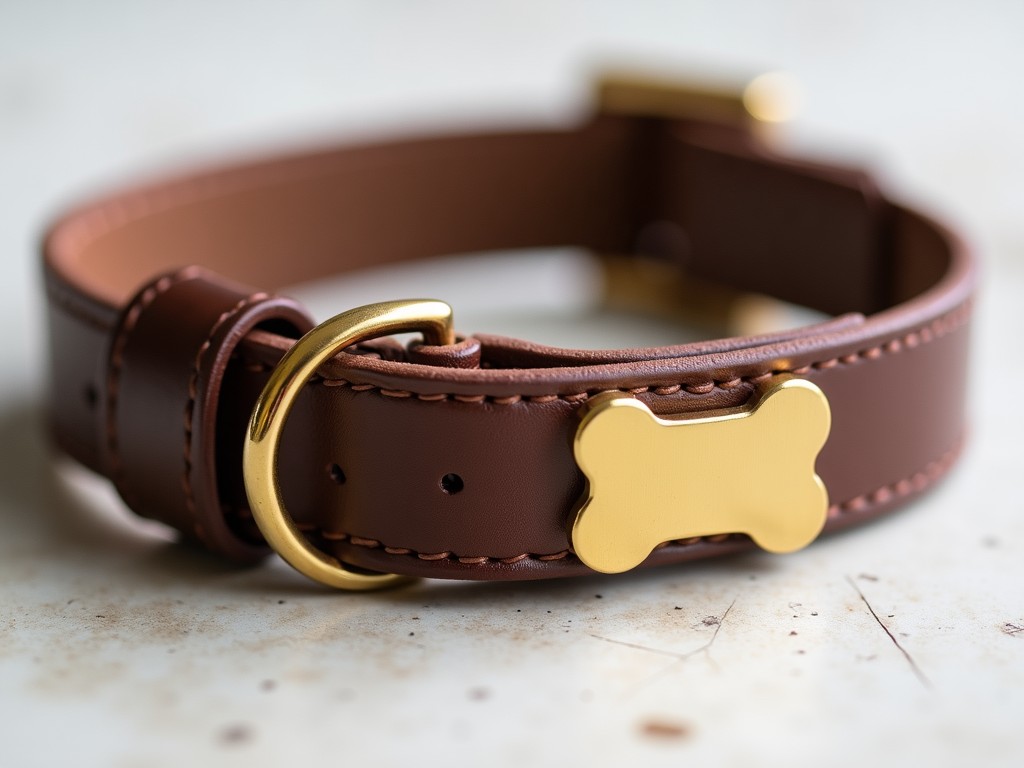
Edge finishing is a critical step for industrial durability. Raw leather edges are burnished or painted with multiple layers of edge coat to create a moisture barrier. This process prevents water from penetrating the leather fibers and ensures the edges remain smooth, preventing abrasion against the animal's fur and skin.
OEM and Customization Capabilities
- Embossing: Heat-stamped or laser engraved for brand logos and serial numbers.
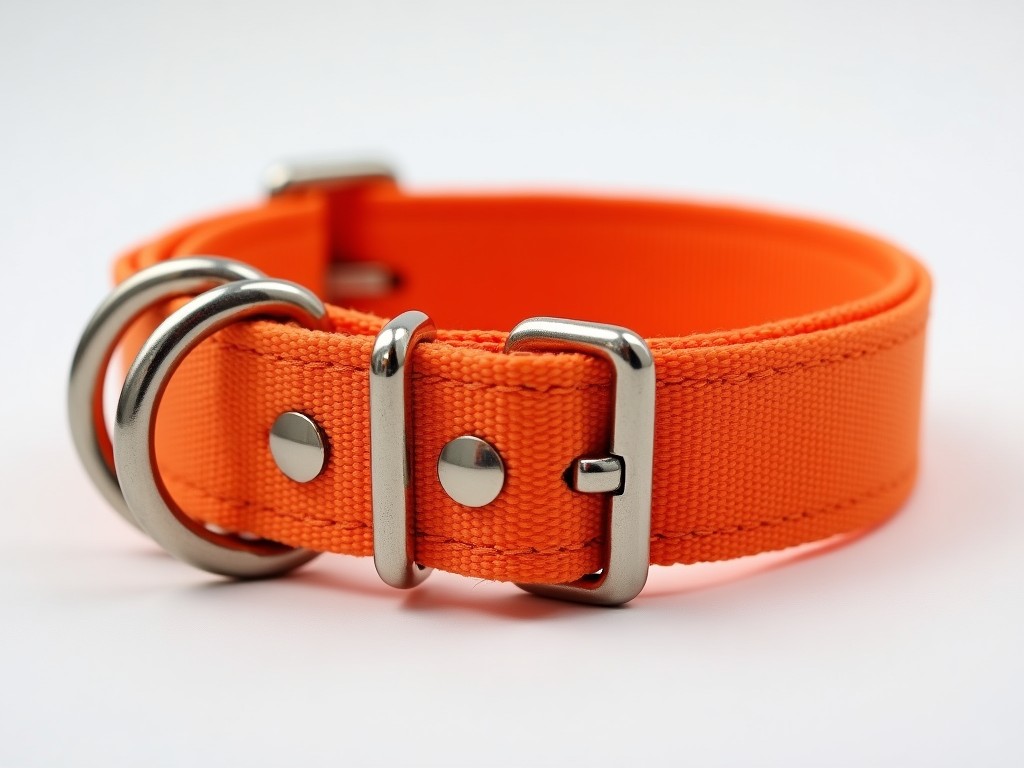
- Hardware Integration: Selection of D-rings, buckles, and roller buckles with varying corrosion resistance ratings.
- Color Matching: Ability to match specific Pantoneone references through proprietary dyeing processes.
- Lining Options: Integration of soft neoprene or microfiber for specialized high-sensitivity requirements.
For procurement managers seeking reliable manufacturing of small breed leather collars, we provide comprehensive technical data sheets and sampling protocols. Our production line is equipped to scale while maintaining rigorous quality standards.
Request Technical Quotation