Oem Red Leather Collar For Dogs Factory
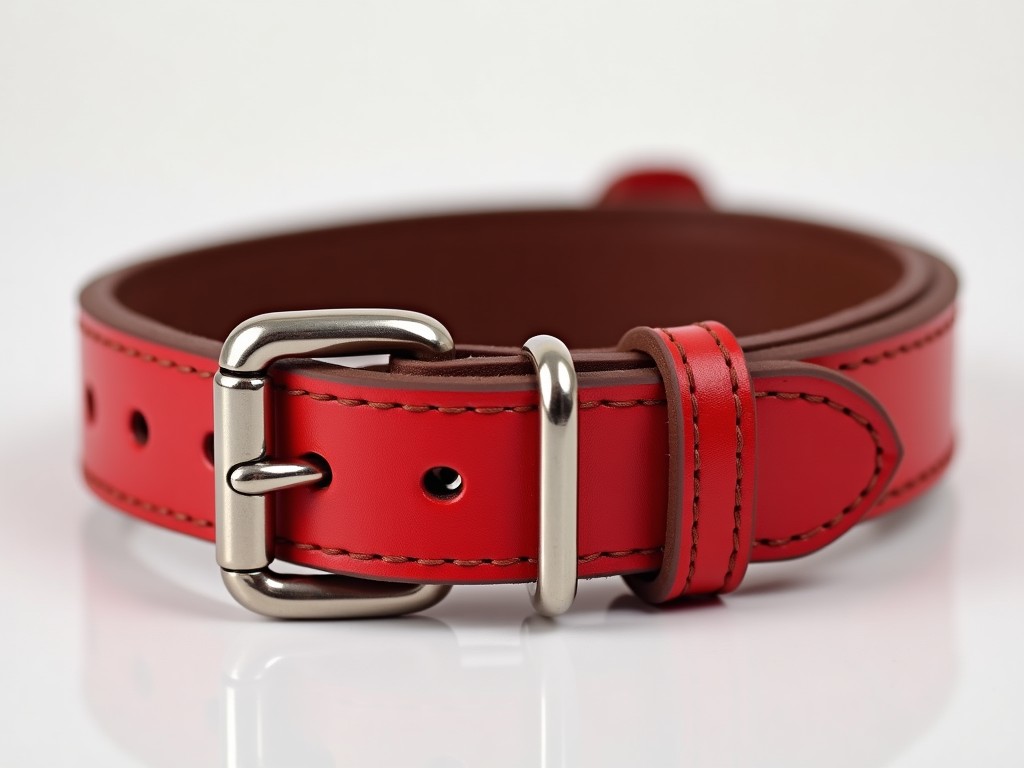
OEM Red Leather Collar for Dogs Factory
Manufacturing high-performance red leather dog collars requires a precise understanding of pigment penetration and structural integrity within the leather matrix. As an industrial-scale OEM partner, the factory focuses on providing scalable production lines where the vibrant red hue remains consistent even after the material is subjected to mechanical friction and abrasion. Procurement teams prioritize collars that maintain their and aesthetic properties across varied environmental conditions, from high humidity to direct UV exposure.
Material Specifications and Leather Chemistry
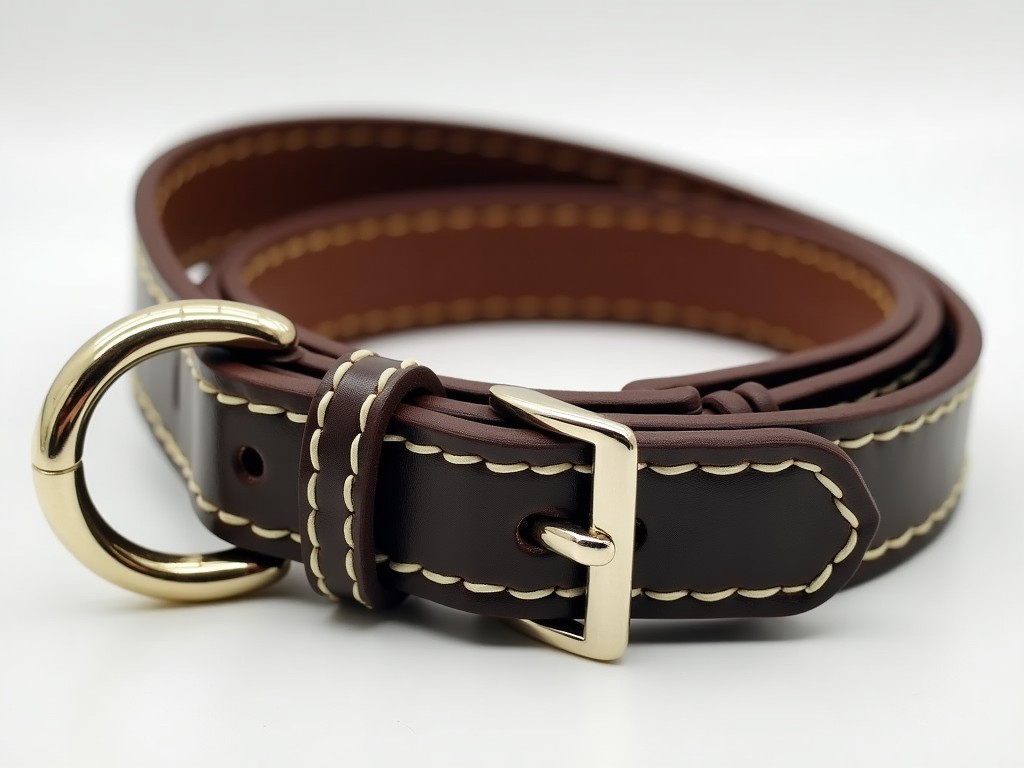
Selection of the base material determines the ultimate durability of the end-product. We primarily utilize full-grain bovine leather, which retains the natural fiber structure to ensure significantly higher tensile strength compared to split-grain alternatives. For red leather applications, the vegetable-tanning process is often employed to allow for a rich patina over time, whereas chrome-tanned leather is selected for clients requiring immediate water resistance and color stability.
The red coloration is achieved through a multi-stage dyeing process. Unlike surface-level paints, industrial-grade dyes penetrate the collagen fibers of the leather, preventing the color from peeling or cracking when the collar bends during flex. This technical approach is critical for OEM-grade products where the visual identity of the brand is tied to the material longevity.
Manufacturing Workflow and Engineering Standards
Production begins with precision laser cutting or hardened steel die cutting to ensure dimensional accuracy across thousands of units. This consistency is vital for hardware alignment, ensuring that buckles distribute stress evenly. Once the leather shapes are cut, the edges are treated with multi-layered edge paint or burnished to prevent moisture ingress into the leather core, which could lead to internal degradation.
Stitching is executed using high-tensacity bonded nylon thread. We maintain a specific density of 7 to 9 stitches per inch, which provides a balance between flexibility and structural reinforcement. If one stitch point is compromised, the overall integrity of the collar remains intact due to the overlapping nature of the industrial stitch, a feature often absent in consumer-grade leather goods.
- Hardware Integration: Utilization of 304 stainless steel or powder-coated zinc alloys to prevent oxidative corrosion.
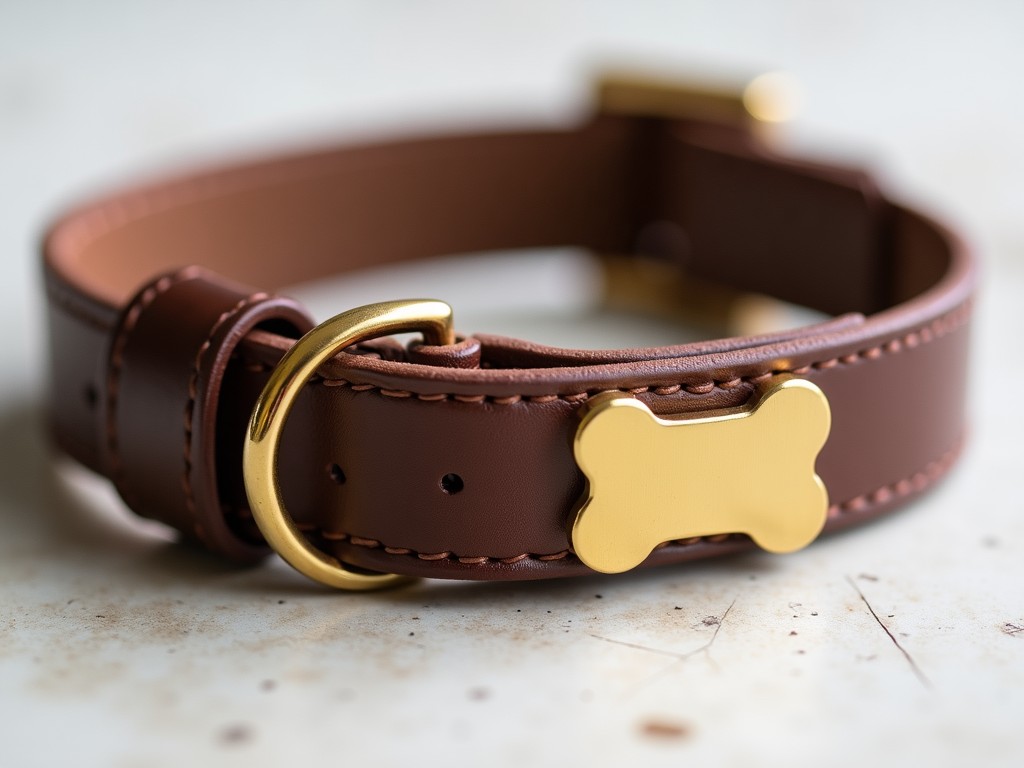
- Reinforcement: Double-riveting at high-stress points where the leash D-ring is attached.
- Quality Control: Batch testing for tensile load capacity to ensure safety for specific breed weight requirements.
Technical Specifications Table
| Parameter | Typical Specification | Customizable Options |
|---|---|---|
| Leather Grade | Full-grain Bovine | Sheep, Goat, or Synthetic |
| Thickness Range | 2.5mm - 4.5mm | Custom to 0.5mm |
| Collar Width | 15mm - 50mm | Specific breed-based widths |
| Hardware Finish | Matte Black / Nickel / Gold | Any PVD-coated colors |
| Dye Method | Aniline-Red | Pantone-matching dyes |
Customization and Branding Logic
OEM partnerships allow distributors to integrate specific brand identities into the product line. Beyond the standard red leather, the factory offers heat-stamping, laser engraving, and debossed logos. Heat stamping is particularly effective for leather as it deforms the fibers without breaking the surface, creating a permanent mark that does not wear off time.
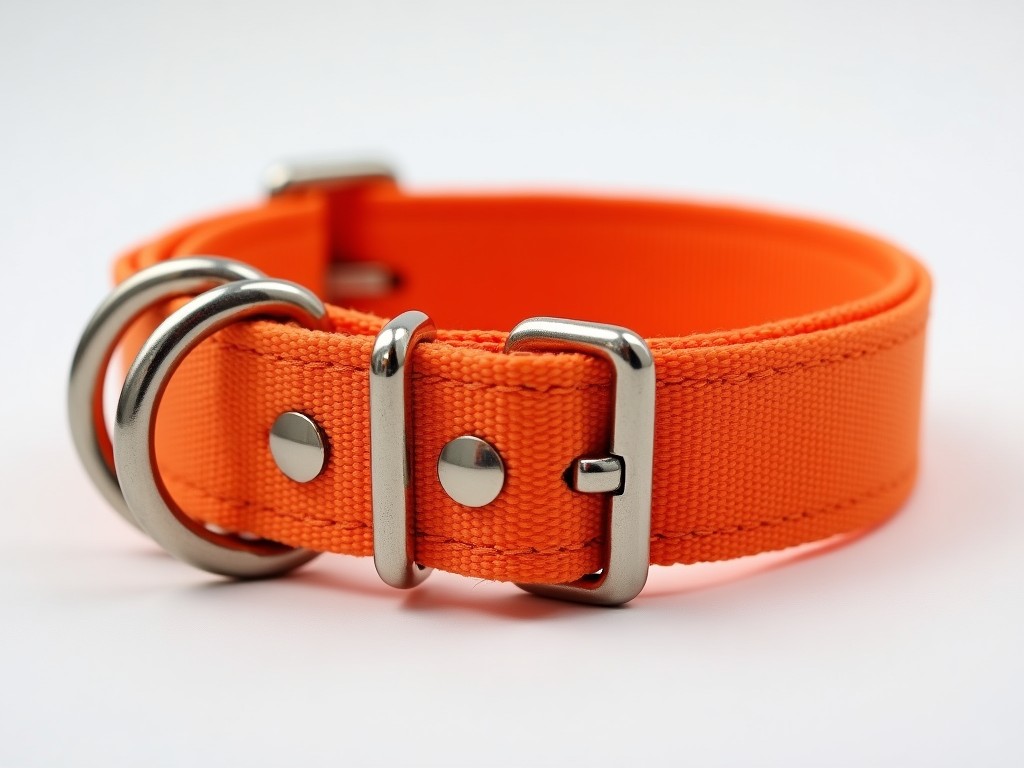
Hardware selection is another critical variable in customization. For high-end applications, roller buckles are preferred for their sleek profile, while box closures offer quick-release functionality. Each hardware component is tested for fit-tension to ensure that the leather does not tear at the attachment point under standard operational loads.
Frequently Asked Questions
What is the minimum order quantity for custom red dyed leather?
The MOQ is typically 500 units per specification for custom dye batches to ensure color color-matching. Orders using existing stock tooling may qualify for lower MOQs.
How is the red color tested for fading?
We utilize colorfastness testing including crocking and perspiration tests to ensure the pigment remains stable when exposed to water, sweat, and friction.
What is the typical lead time for an OEM order?
Standard production for leather collars ranges from 30 to 45 days depending on the complexity of hardware customization and material availability.
Technical specifications and production schedules are available for your specific project requirements.
Request a Technical Quotation