Oem Leather Dog Collar With Metal Buckle Manufacturer
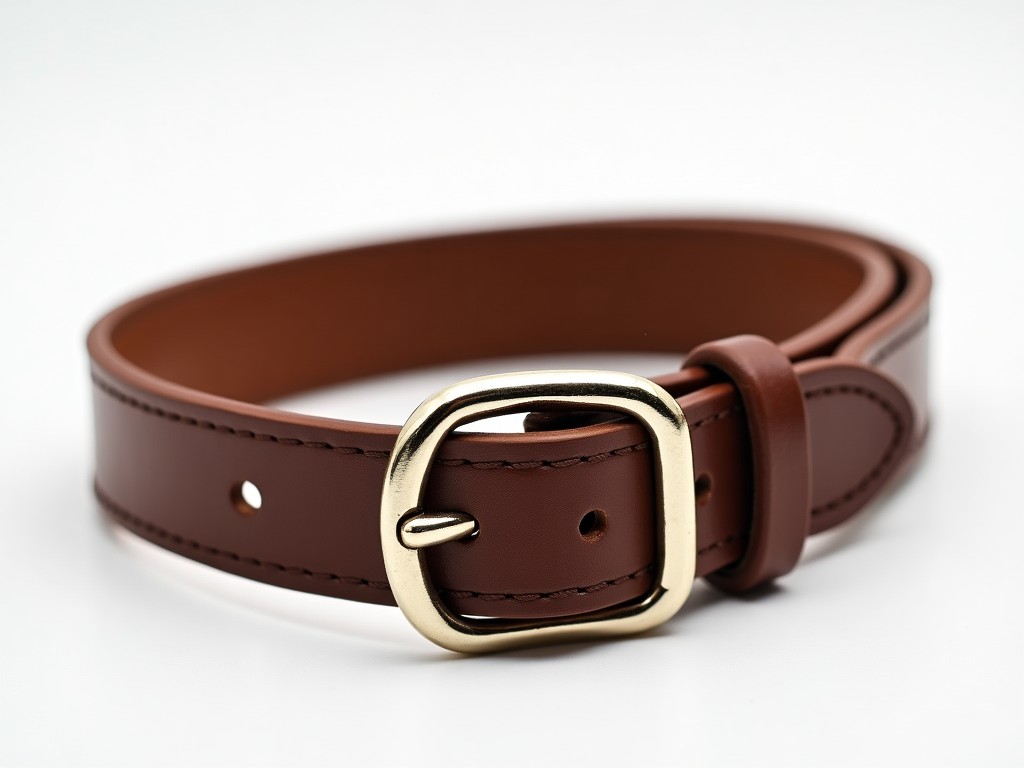
OEM leather dog collar with metal buckle manufacturer
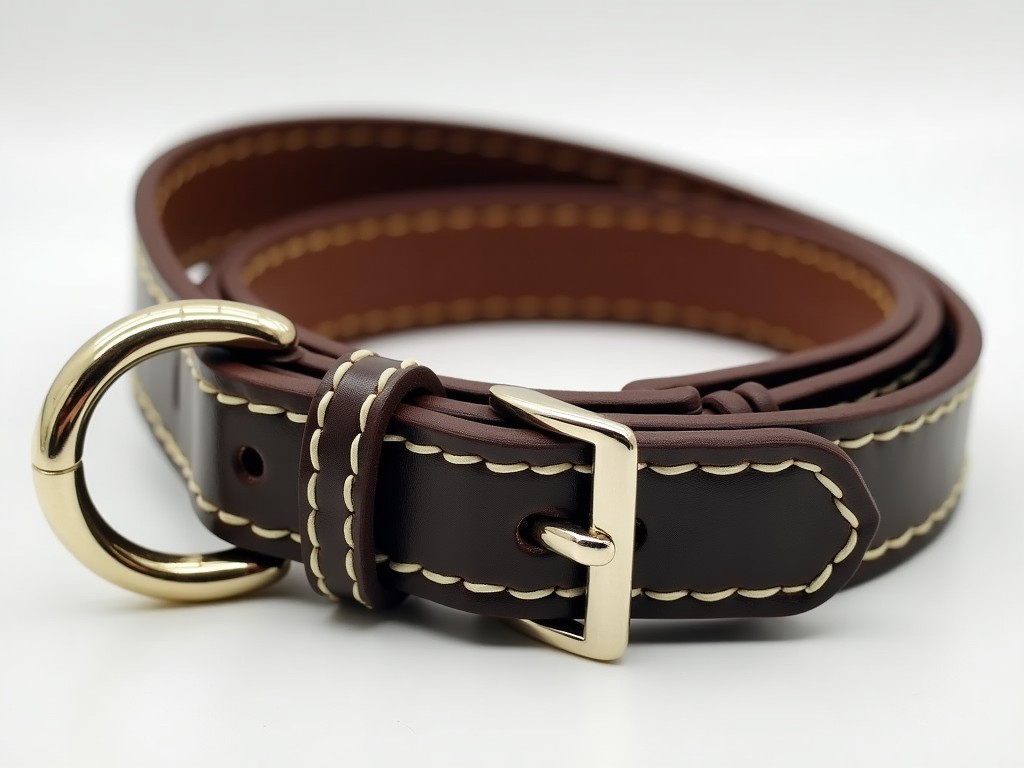
Manufacturing high-performance pet accessories requires a deep understanding of material tensile strength and mechanical hardware integration. As an OEM partner, we focus on the technical production of leather collars that bridge the gap between aesthetic design and industrial-grade durability. Our production process prioritizes the structural interface between leather fibers and metal hardware to withstand repeated wear and high mechanical stress.
Material Engineering: Leather Integrity and Tanning
The selection of leather determines the collar's lifespan and its resistance to environmental degradation. We primarily work with full-grain leather, which retains the natural fiber structure of the hide, providing maximum tensile strength. Unlike corrected-grain alternatives, full-grain leather develops a patina over time without losing structural integrity, making it ideal for heavy-duty applications.
- Vegetable-Tanned Leather: Utilizes natural tannins to produce a firmer material that maintains its shape under tension and resists stretching over time.
- Chrome-Tanned Leather: Selected for applications requiring higher flexibility and water resistance, preventing stiffness in humid climates.
- Edge Treatment: We utilize multi-layer edge painting and heat sealing to prevent fraying and moisture ingress into the leather core.
Hardware Specifications and Alloy Selection
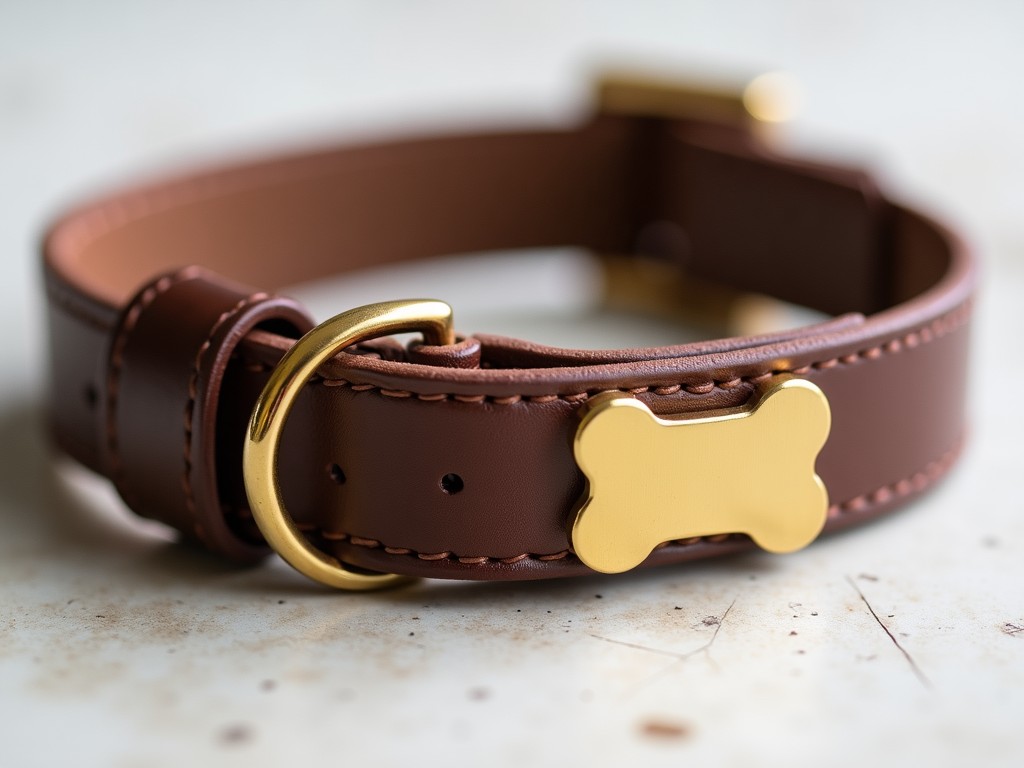
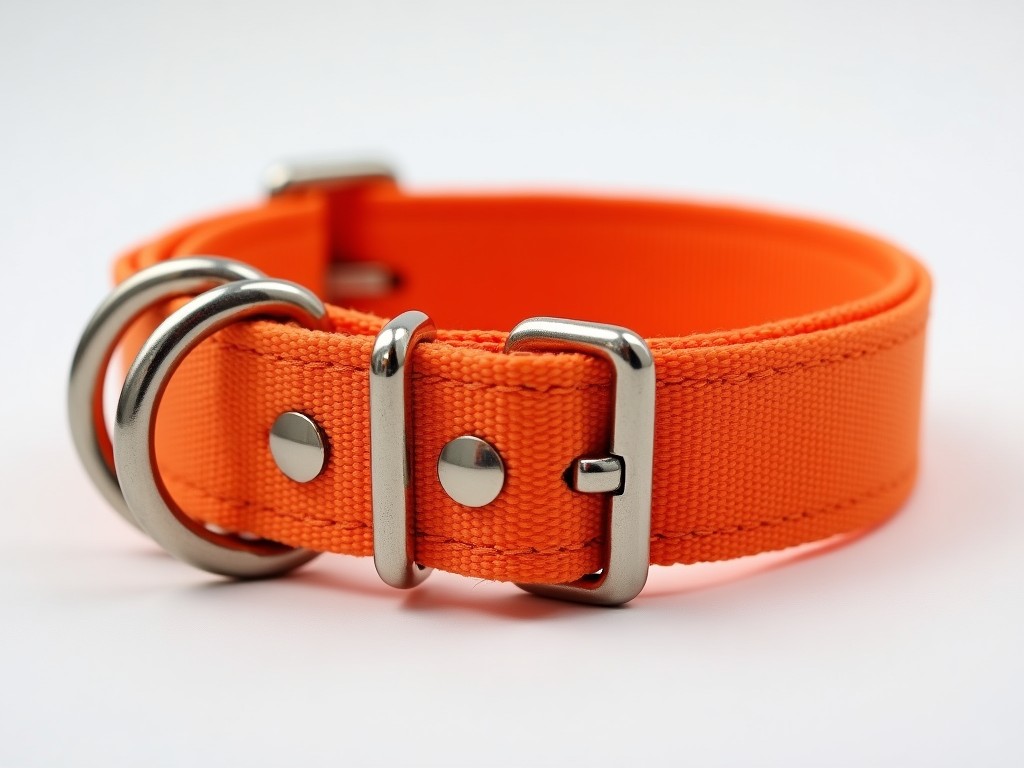
The metal buckle is the critical failure point in any dog collar. We offer various alloys based on their corrosion resistance and load-bearing capacities. Each hardware component is tested for shear strength to ensure the pin and frame do not deform under sudden shock.
| Hardware Material | Technical Properties | Corrosion Resistance | Typical Use |
|---|---|---|---|
| 316 Stainless Steel | High tensile strength, non-magnetic | Maximum (Saltwater resistant) | Marine/Outdoor-grade |
| Solid Brass | High density, antimicrobial properties | High (Develops patina) | Luxury/Retail |
| Zinc Alloy (Plated) | Lightweight, cost-effective | Moderate (Requires plating thickness) | Mass-market |
Manufacturing Precision and Assembly
Our OEM process follows standardized protocols to ensure consistency across batches. We utilize industrial-grade sewing machines with bonded nylon thread, which offers resistance to rot and mechanical abrasion. The stitching density is measured in stitches per inch (SPI), adjusted based on the leather thickness to prevent needle perforation from weakening the material.
- Collar Thickness: Available from 2.5mm to 5.0mm depending on the breed's weight requirements.
- Reinforcement: Double-stitching at high-stress attachment points to distribute load across a larger surface area.
- Custom Branding: Laser-engraving, hot-foil stamping, or debossed printing for permanent brand identification.
Quality Control and Testing Protocols
Risk reduction is achieved through rigorous testing. Every collar design undergoes tensile testing to determine the maximum breaking load. We also verify the hardware-to-leather interface to ensure that rivets or buckles do not pull through the leather fibers under dynamic movement.
Industrial and Commercial Applications
While designed for pets, our OEM-grade leather collars are utilized in sectors where reliability is non-negotiable.
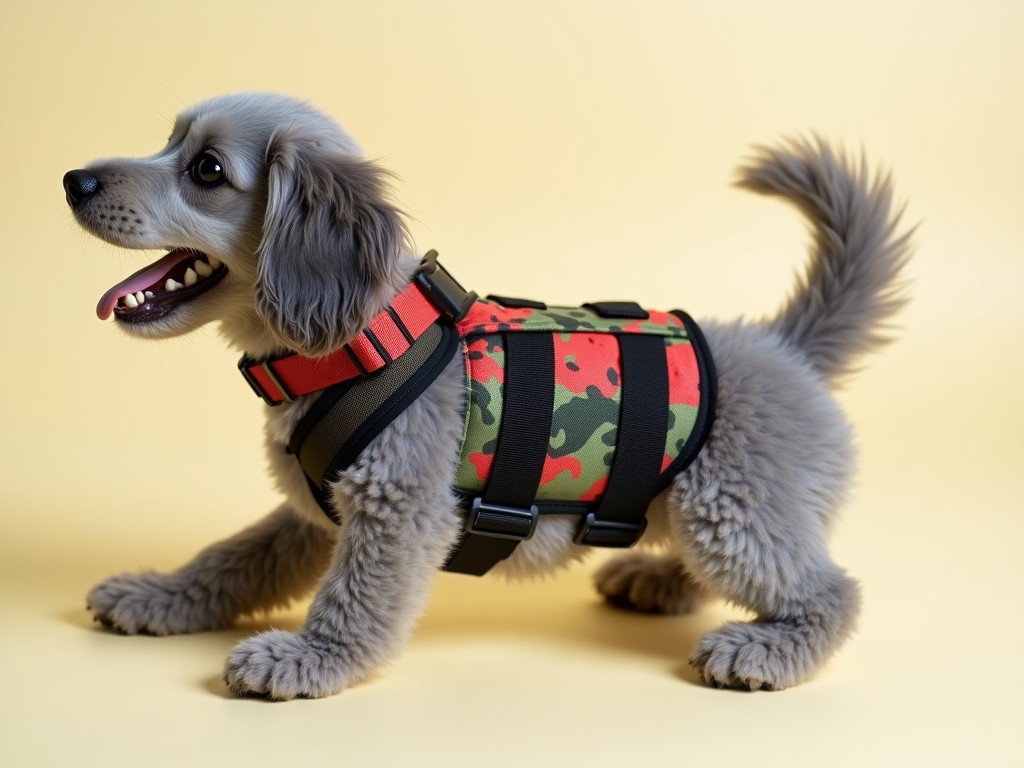
- Working Dog Service: High-durability gear for search and rescue or operations.
- Veterinary Clinics: Easy-clean materials that withstand frequent disinfection protocols.
- Premium Retail Brands: Custom-labeled products for high-end boutique markets.
Frequently Asked Questions
What is the minimum order quantity for custom hardware?
Typical MOQs start at 500 units per specification, depending on the complexity of the metal mold or tooling required.
Can you provide technical data sheets?
Yes, we provide specifications including tensile strength, leather weight, and hardware alloy composition for all custom OEM orders.
What is the typical lead time for OEM production?
Standard production cycles generally range from 4 to 8 weeks after sample approval and design finalization.
Ready to discuss your technical requirements?
Contact our engineering team to request a formal quote and technical specification sheet.
Request Technical Specifications