Oem 100 Cotton Dog Collar Factory Direct
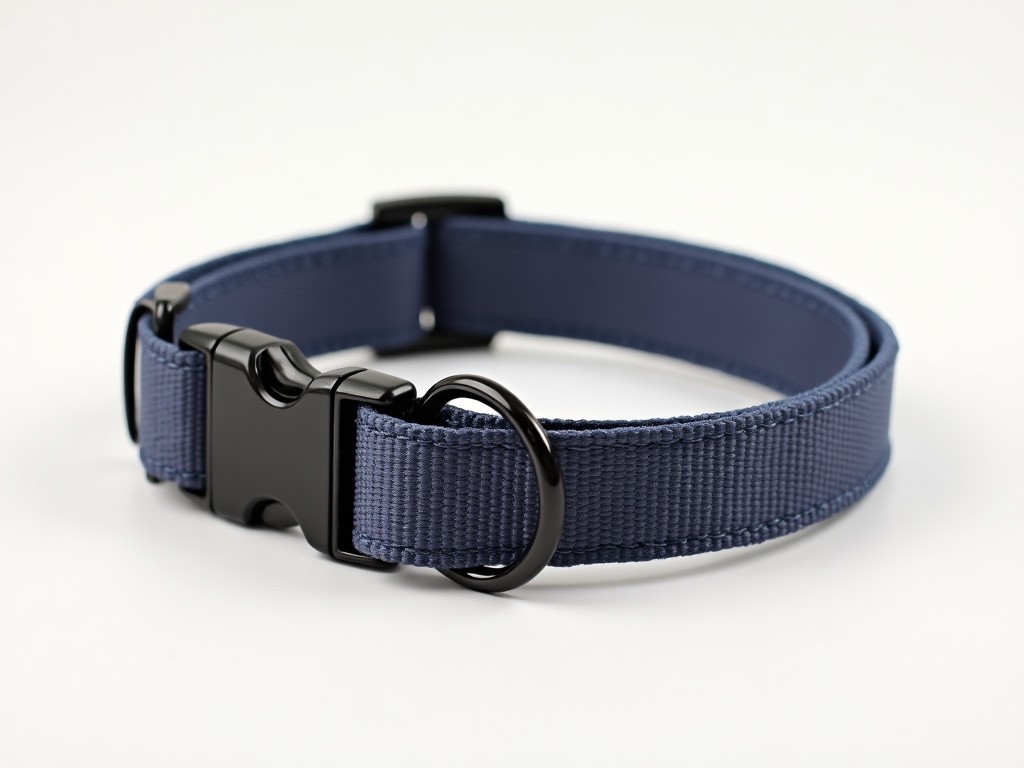
OEM 100% Cotton Dog Collar Factory Direct
Industrial production of 100% cotton dog collars requires a precise balance between natural fiber softness and structural tensile resistance. Unlike synthetic alternatives like nylon or polyester, pure cotton webbing offers superior breathability and hypoallergenic properties, making it a preferred choice for brands targeting sensitive skin. Factory-direct manufacturing processes focus on high-density weaving techniques that ensure the material maintains its geometric integrity under repeated mechanical stress.
Material Properties of 100% Cotton Weave
The performance of a cotton dog collar depends significantly on the weave pattern and thread count. High-density twill weaves provide a diagonal rib structure that resists abrasion, while canvas-style weaves offer maximum thickness for heavy-duty applications. Because cotton is a natural polymer, it regulates heat, preventing the irritation often associated with synthetic fibers during prolonged outdoor use.
Sourcing long-staple cotton fibers ensures the resulting yarn is stronger and less prone to pilling. This material selection is critical for maintaining the aesthetic quality of the product over its entire lifecycle, even after multiple cleaning cycles.
| Weave Type | Primary Characteristic | Best Application |
|---|---|---|
| Cotton Twill | Diagonal rib, abrasion resistant | Daily wear, premium brands |
| Herringbone | Unique texture, high flexibility | Fashion-forward retail |
| Heavy Canvas | Maximum density, tensile strength | Large-breed, working dogs |
Manufacturing Process and Reinforcement
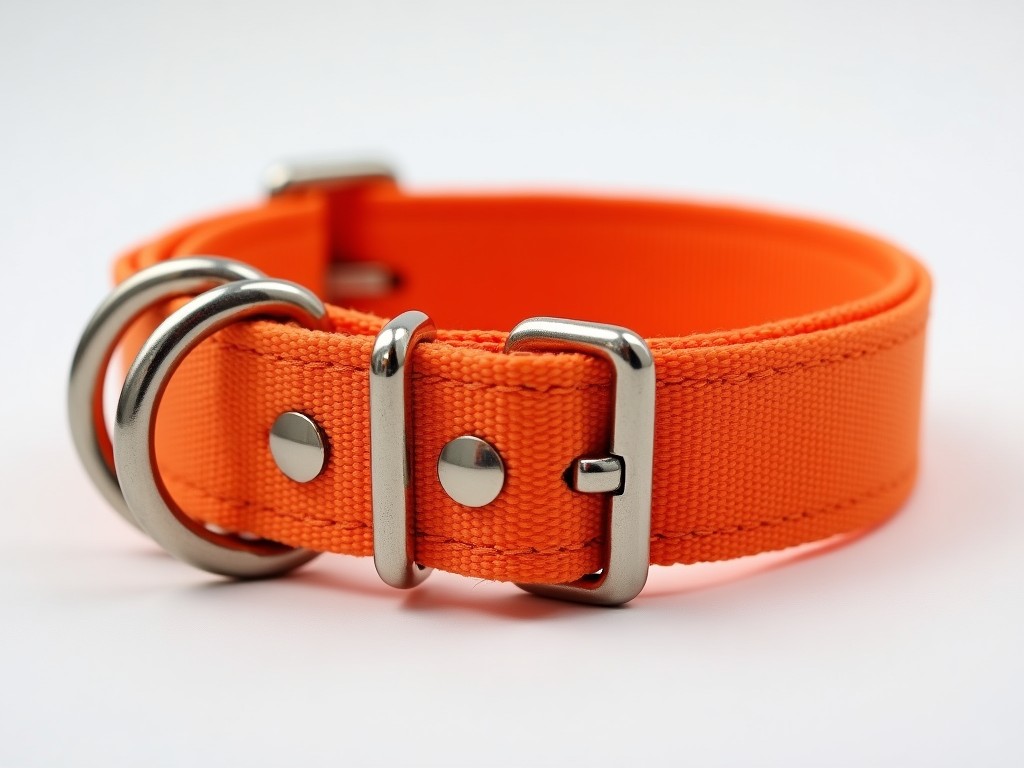
Manufacturing begins with the selection of cotton fibers spun into high-tenacity yarn. To prevent fraying, edges are often treated using ultrasonic cutting or reinforced binding before the assembly phase. Structural integrity is achieved through bar-tack stitching at high-stress points, specifically where hardware connects to the webbing. This technique distributes the load across a wider surface area of fabric, preventing tearing during high-pull scenarios.
Industrial-grade sewing machines are utilized to ensure consistent stitch density across the entire production run. This uniformity reduces the risk of structural failure, which is a primary concern for OEM volume distributors.
OEM Customization Options
Customization protocols allow for precise specifications based on specific market requirements. Hardware choices include powder-coated zinc alloy, corrosion-resistant stainless steel, or solid brass for premium aesthetics. Widths typically range from 15mm for small breeds to 40mm for large-breed working dogs. Branding is integrated via woven labels, screen printing, or high-definition embroidery directly onto the cotton surface.
Color palettes are achieved through reactive dyeing processes that ensure color consistency across different production batches. This allows procurement managers to maintain brand identity across multi-year supply cycles.
Quality Control and Durability
Rigorous testing includes tensile strength analysis to ensure each collar meets minimum load-bearing standards. Colorfastness is verified to ensure that dyes do not migrate or fade after exposure to moisture and UV. Dimensional stability checks confirm that the collars will not shrink significantly after laundering, maintaining the engineered fit for the end-user.
Every batch undergoes a visual inspection for weave defects or stitching misalignments. This multi-layered assurance approach minimizes return rates for distributors and protects the brand reputation.
Request Technical Specifications
Procurement teams can request detailed data sheets, material sourcing information, and timelines for OEM projects.
Inquire for Quotation