Custom Waterproof Personalized Dog Collars Supplier
Custom Waterproof Personalized Dog Collars Supplier
font-size: 16px;">Engineering gear for working can requires a shift from purely aesthetic considerations to structural integrity under environmental stress. Standard nylon collars often absorb moisture, leading to increased weight, bacterial growth, and material degradation when exposed to salt water or mud. As a specialized supplier of custom waterproof solutions, we focus on hydrophobic barriers and reinforced bonding techniques that ensure gear remains functional and hygienic during prolonged aquatic exposure or high-humidity operations.
Material Science and Waterproofing Implementations
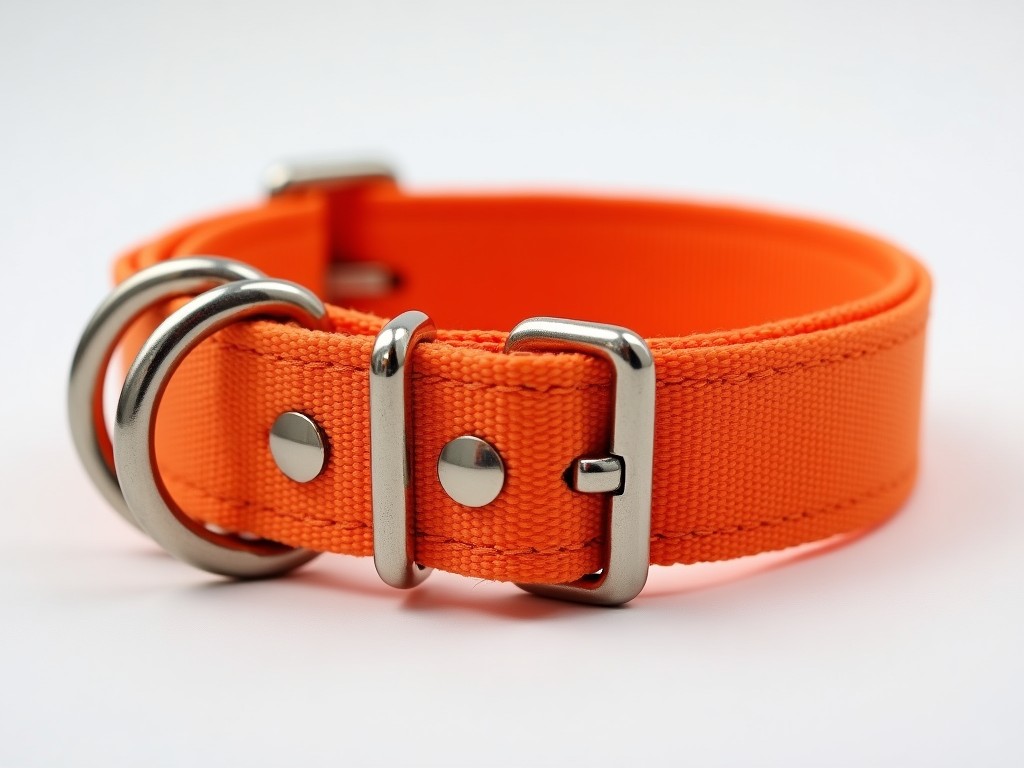
The selection of base textile and coating material determines the collar's performance in extreme conditions. Thermoplastic Polyurethane (TPU) laminated fabrics are preferred for high-tensile applications because the TPU creates a non-porous barrier that prevents water from migrating into the core fibers. Unlike standard foam, closed-cell neoprene offers superior cushioning and buoyancy, though it requires precise heat welding to prevent water ingress at the seam lines.
Structural integrity is maintained through specialized hardware-to-fabric interfaces. We utilize ultrasonic welding or heavy-duty reinforced stitching to ensure that the waterproof membrane is not compromised by the needle process itself. This prevents the common delamination issues seen in lower-grade products when subjected to repeated wet-dry cycles.
| Material Type | Water Resistance | Primary Application | Customization Method |
|---|---|---|---|
| TPU-Coated Nylon | High (Hydrophobic) | Working dogs / Heavy-duty | Laser Engraving / Heat Transfer |
| Closed-Cell Neoprene | Excellent (Buoyant) | Aquatic sports / Rescue | Sublimation Printing |
| PVC-Laminated Polyester | Moderate | General utility | Embossing / Screen Print |
Technical Customization and Personalization
Personalization in an industrial context must withstand abrasion and chemical exposure. Standard surface printing often fails when exposed to salt spray or UV radiation. Instead, we utilize fiber-optic laser engraving on 316 stainless steel or zinc alloy hardware. This method ensures that contact information or unit IDs remain legible even after years of immersion in saltwater or constant mechanical friction.
For fabric-based identification, we employ high-temperature heat transfer. This process bonds the ink at the molecular level with the TPU coating, creating a waterproof layer that does not crack or peel. This is critical for OEM clients who require branding that does not compromise the safety of the equipment.
Manufacturing Protocols and Quality Control
Every batch undergoes rigorous testing to verify safety parameters. We measure the tensile strength of the collar attachment points to ensure they can withstand the dynamic loads generated by large working animals. Furthermore, the hardware is subjected to salt spray testing to evaluate corrosion resistance, which is a vital metric for gear used in maritime or coastal environments.
Quality control also includes visual inspection of the waterproof membrane. We check for micro-pinures or weaknesses in the ultrasonic welding process that could lead to water ingress over time. By maintaining these strict manufacturing standards, we reduce the risk of equipment failure in the field, which is a common concern with consumer-grade waterproof products.
Industrial Applications
- Search and Rescue (SAR): Gear must remain lightweight and easy to clean after deployment in water-based environments.
- Aquatic Training: Buoyant materials and corrosion-resistant hardware are essential for chlorine and saltwater exposure.
- Security and Patrol: High-durability collars that resist mud, debris, and environmental elements without degrading.
- Veterinary Logistics: Personalized identification tags allow for easy tracking of patients in clinical or transport settings.
Frequently Asked Questions
What is the typical tensile strength of your waterproof collars?
Tensile strength varies by material, but our industrial-grade TPU collars are typically rated for 150kg to 300kg depending on width and hardware reinforcement.
How is the personalization protected against saltwater?
We use laser engraving on metal hardware and molecular-bonded heat transfer for fabrics, both highly resistant to salt-induced degradation.
What are the lead times for custom OEM orders?
Custom production cycles generally range from 3 to 6 weeks, depending on the volume and the specific material specifications requested.
Require technical specifications or a prototype for your project?
Contact our engineering team to discuss your material requirements and request a formal quote.
Request Technical Quotation