Custom Tooled Leather Dog Collars For Big Dogs
Custom Tooled Leather Dog Collars for Big Dogs
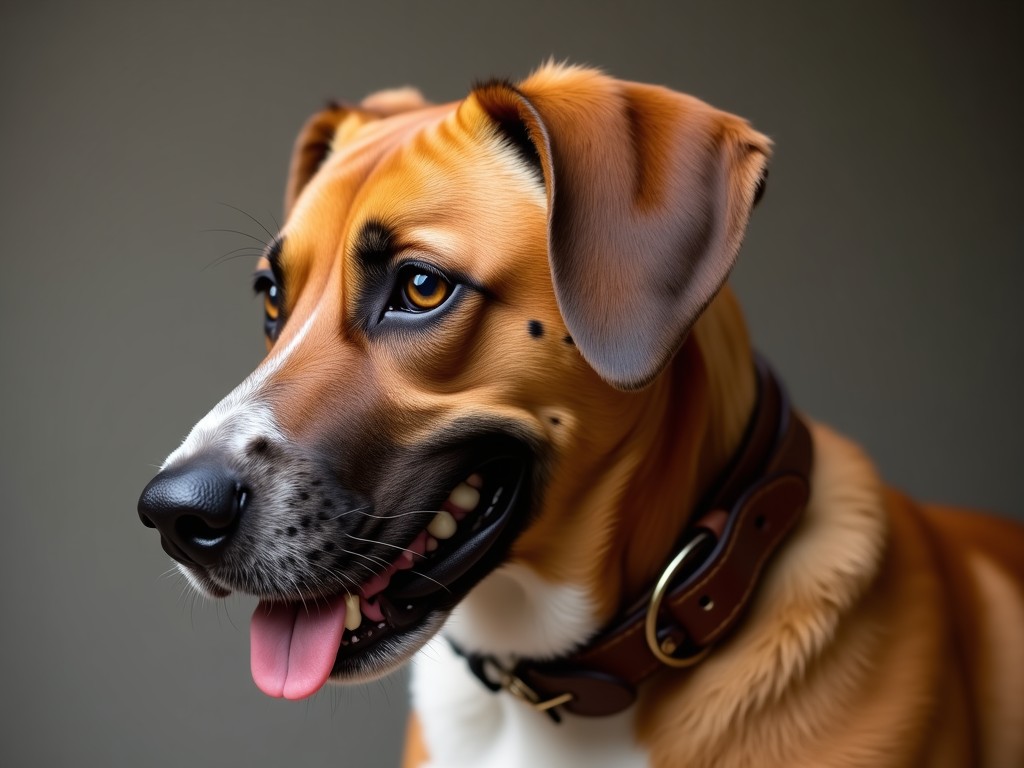
Engineering restraint equipment for large canine breeds requires a rigorous understanding of mechanical stress and material failure points. Large dogs exert significant kinetic forces during sudden movements or pulling maneuvers, necessitating a collar structure that can maintain its integrity without catastrophic deformation. Custom tooled leather collars provide a solution that combines high-density organic fibers with structural reinforcement, ensuring that the equipment remains functional under high-tensile conditions.
Material Selection and Tensile Strength Analysis
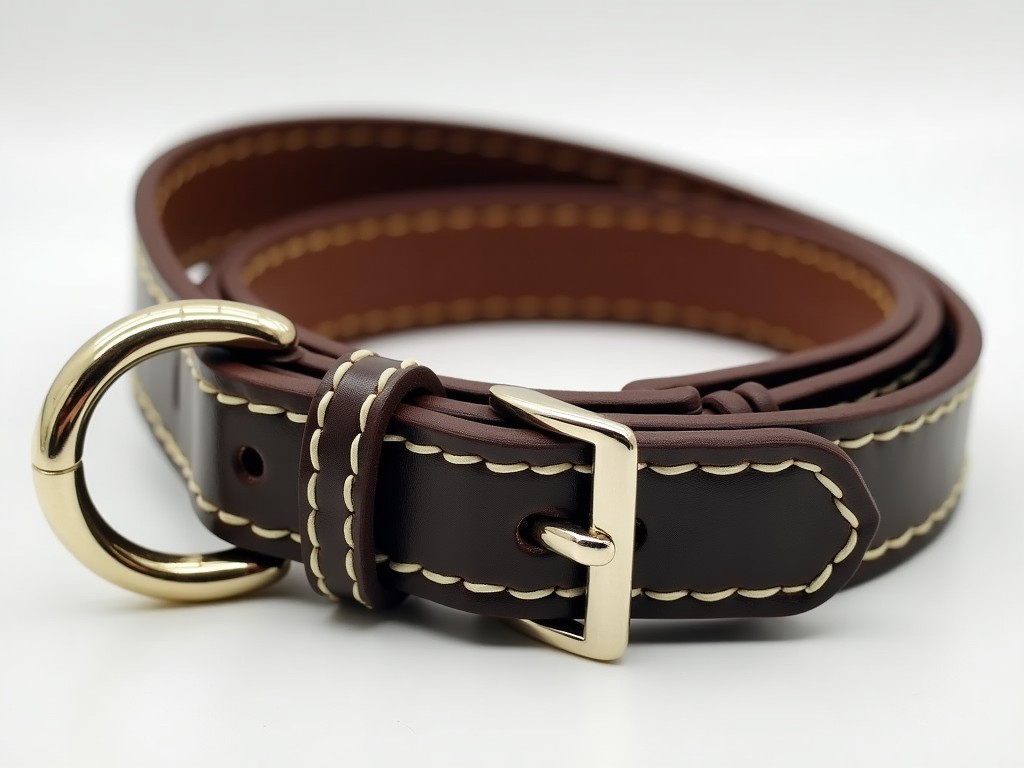
The selection of full-grain bovine leather is the primary factor in determining the longevity and safety of the collar. Unlike split leather or synthetic alternatives, full-grain leather retains the outer layer of the hide, offering the highest possible tensile strength and resistance to abrasion. For large breeds, we typically specify leather thicknesses ranging from 4mm to 6mm to provide the necessary modulus to prevent stretching under heavy loads.
Vegetable tanning is utilized in these industrial-grade applications because the tanning process uses natural tannins that firm the fibers, resulting in a material that hardens over time rather than degrading. This structural stability ensures that the collar maintains its calibrated dimensions even after years of use, which is a critical factor for maintaining a consistent fit on heavy-duty equipment.
Custom Tooling and Aesthetic Engineering
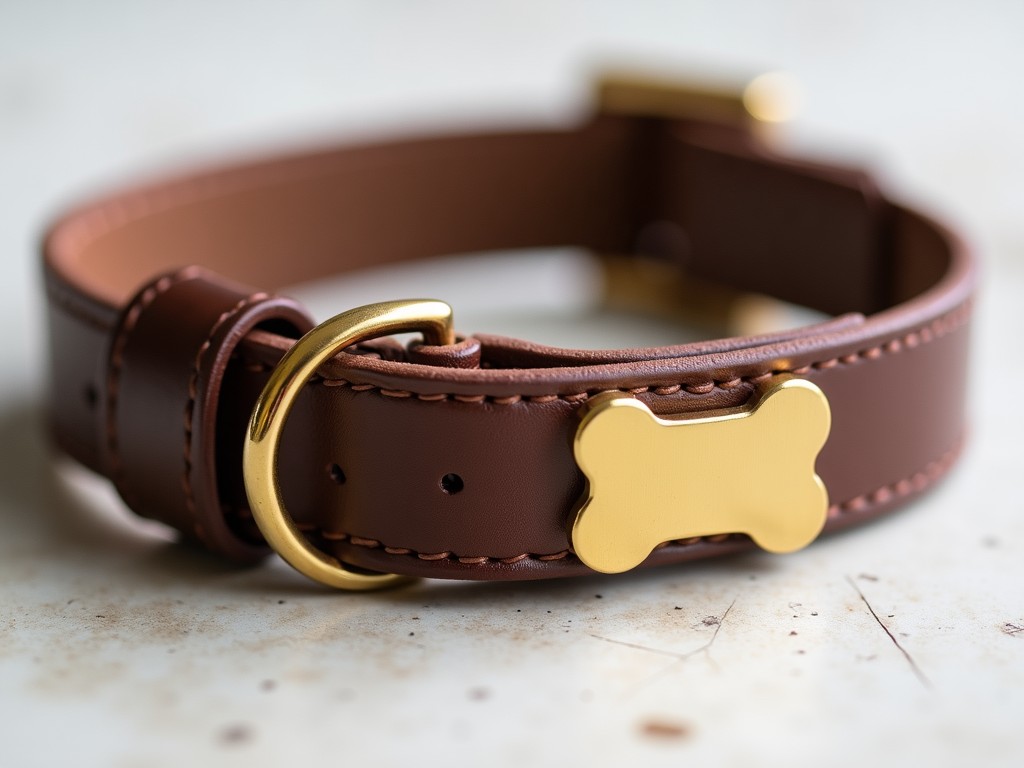
Tooling involves the mechanical displacement of leather fibers to create patterns without compromising the structural integrity of the material. High-precision stamping techniques are used to ensure that the decorative elements do not create stress concentration points that could lead to tearing under tension. This process allows for bespoke identification or branding while maintaining the uniform load-bearing capacity of the strap.
Edge finishing is another critical quality control step. We employ burnishing techniques that use friction and heat-based waxes to create a sealed barrier. This prevents moisture penetration into the leather core, which is the leading cause of rot and structural weakening in lower-quality leather products.
| Specification | Standard Value | Customizable |
|---|---|---|
| Leather Type | Full-Grain Bovine | Yes (Exotic options) |
| Thickness | 4mm - 6mm | Yes |
| Hardware Material | 316 Stainless Steel / Solid Brass | Yes |
| Tensile Load | >500kg | Upon request |
Hardware Specifications and Load-Bearing Capacity
The hardware represents the primary failure point in any restraint system. For large dog applications, we utilize solid 316 stainless steel or solid brass hardware to resist corrosion and prevent mechanical fatigue. Zinc alloys are avoided as they are prone to stress corrosion cracking under the temperature fluctuations and high shock loads typical of large-breed use.
Attachment points are secured using heavy-duty copper rivets rather than stitching alone. Rivets provide a wider surface area for load distribution, spreading the force across more leather fibers and reducing the risk of the hardware tearing through the material during a sudden-impact event.
Applications in High-Stress Environments
- Working Canines: Where constant exposure to environmental elements and high-activity levels are standard.
- Search and Rescue: Requiring equipment that can withstand sudden lateral loads and abrasion against brush terrain.
- Industrial Utility: For owners requiring a durable, aesthetic solution that matches the performance profile of heavy-duty hardware.
For technical data sheets, load-test results, or custom volume manufacturing inquiries, please contact our engineering department.
Request Technical Specification