Custom Thick Padded Dog Collars Manufacturer
Custom Thick Padded Dog Collars Manufacturer
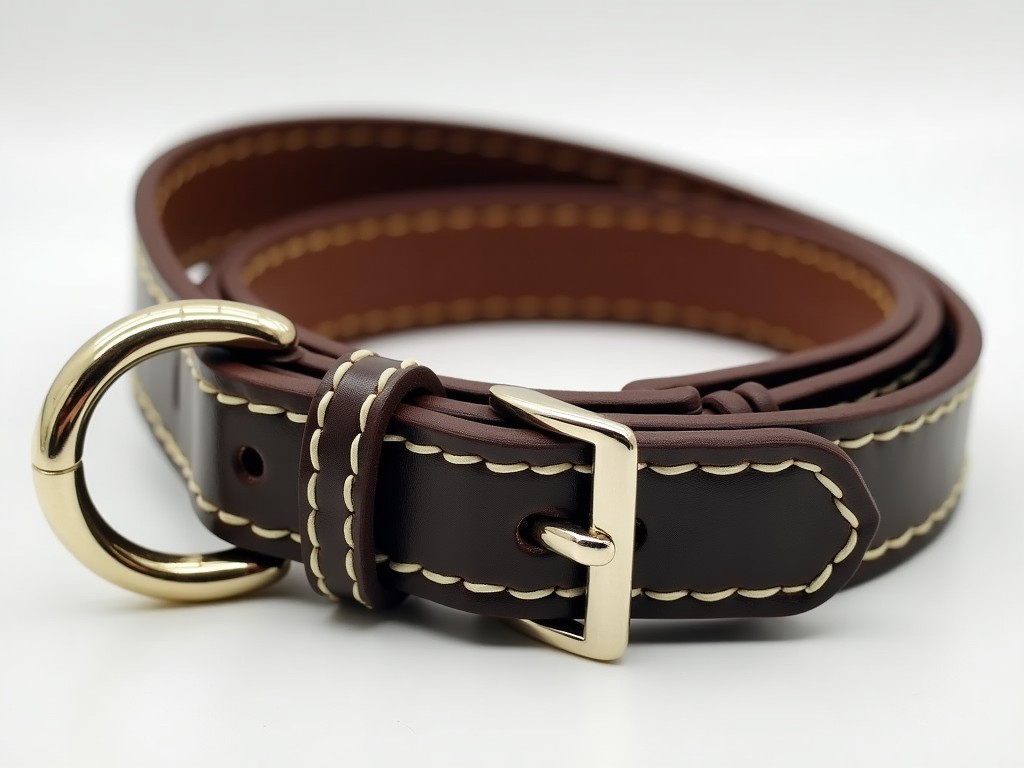
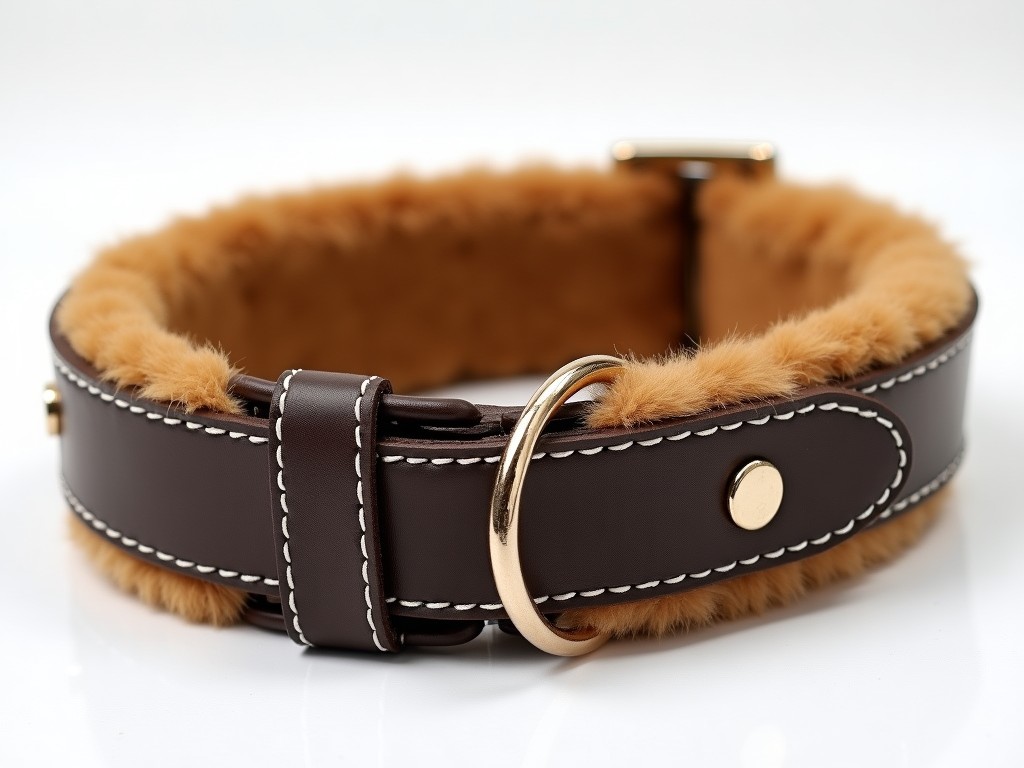
The engineering of heavy-duty dog collars requires a precise understanding of anatomical pressure distribution, particularly for large-breed and working animals. Standard collars often concentrate focal pressure on the trachea during high-tension maneuvers. Our custom thick padded manufacturing process utilizes a multi-layered material architecture that distributes mechanical stress across a wider surface area, reducing the risk of cervical injury and ensuring comfort during extended use. We focus on industrial-grade specifications that meet the rigors of service work and protection environments.
Material Science and Structural Integrity
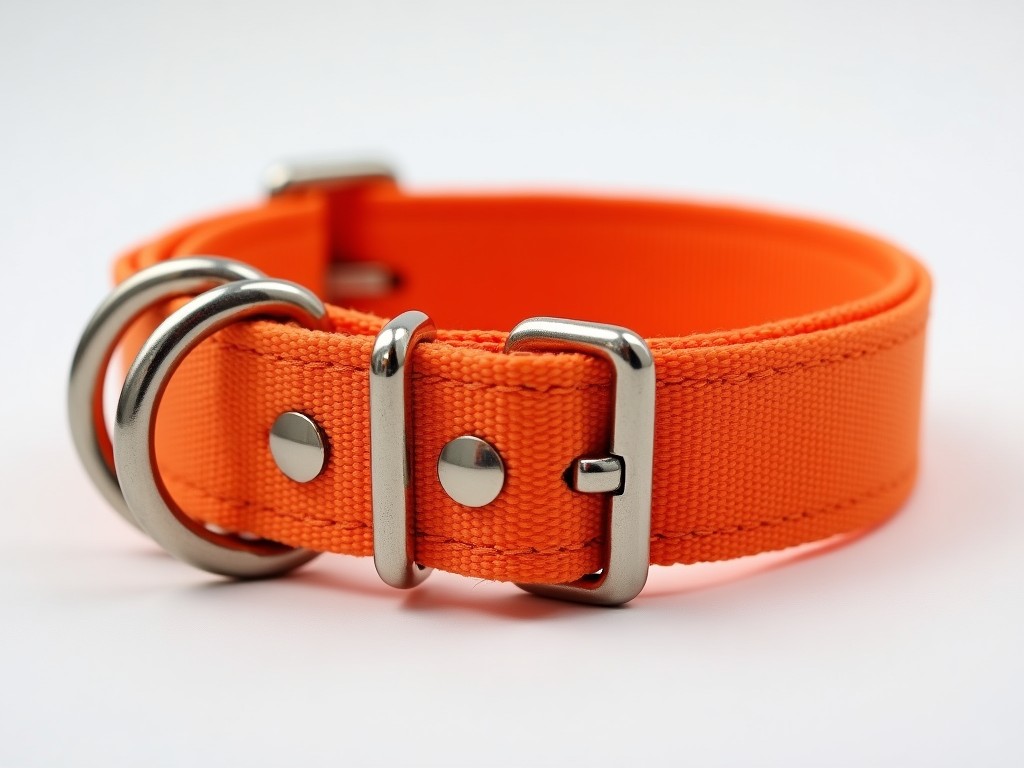
Selecting the correct core material determines the longevity and performance of the padded collar. We typically utilize high-density EVA (Ethylene-vinyl acetate) foam for the padding due to its superior memory recovery and compression resistance. Unlike cheaper open-cell foams, EVA maintains its structural profile after thousands of load cycles. This foam is then encapsulated in high-tensacity ballistic nylon or neoprene-coated fabrics to provide a barrier against abrasion and moisture ingress.
The outer shell material is selected based on the specific application requirements. For high-tensile scenarios, we employ reinforced box-stitching and industrial bar-tacking to ensure the collar does not delaminate under sudden lateral loads. This technical approach ensures that the padding remains functional even when the collar is subjected to extreme environmental stress.
| Material Component | Technical Benefit | Primary Application |
|---|---|---|
| High-Density EVA Foam | Shock absorption and pressure distribution | Large-breed de-control |
| Ballistic Nylon | High abrasion resistance and tensile strength | Search and rescue / Protection |
| Neoprene Coating | Hydrophobic properties and hypoallergenic surface | Aquatic and service work |
Customization Specifications for OEM
Our manufacturing facility is equipped for technical customization to meet specific brand or organizational requirements. We do not merely offer aesthetic choices; we adapt the parameters of the collar to match the operational needs of the animal.
- Width and Thickness: Options ranging from 25mm to 50mm width to accommodate specific neck diameters and load requirements.
- Hardware Integration: Choice of 316 stainless steel, aerospace-grade aluminum, or heavy-duty polymer hardware with specific locking mechanisms. << style="margin-bottom: 10px;">Reinforcement Zones: Internal webbing inserts to prevent stretching and material failure at high-stress points.
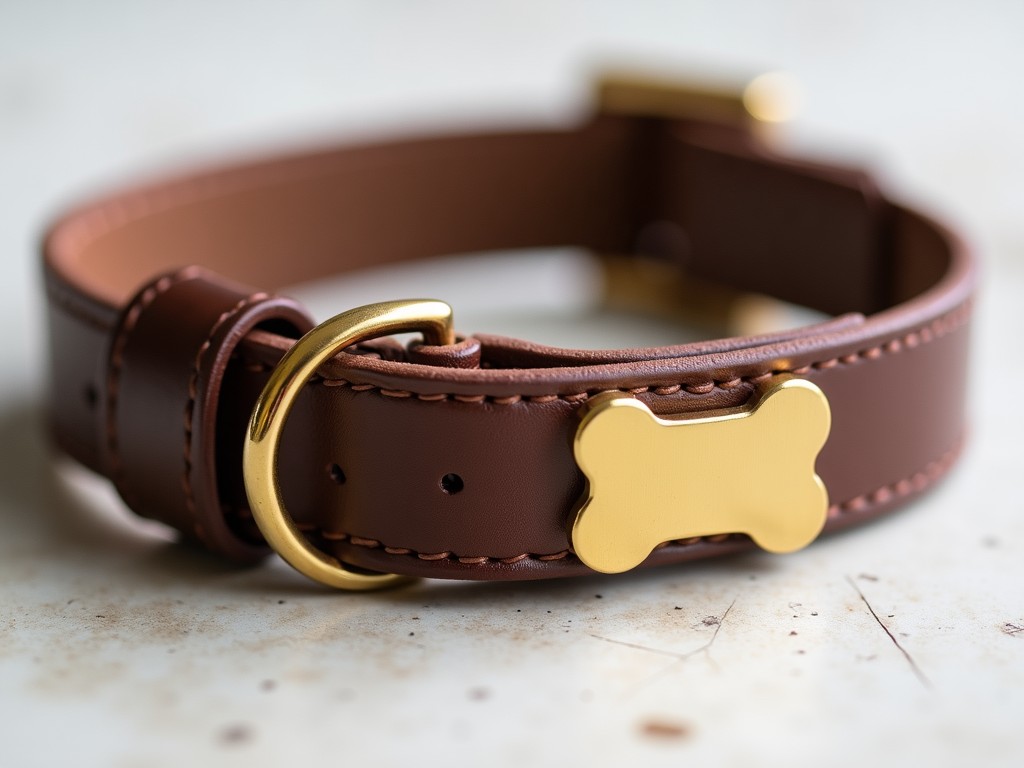
- Branding Methods: Laser engraving, heat embossing, or high-definition woven labels for organizational identification.
Quality Control and Industrial Standards
Every batch undergoes a rigorous inspection process to ensure compliance with internal performance benchmarks. We perform tensile strength testing on the hardware and stitching points to verify they can withstand the rated load without deformation. The padding density is checked for uniform consistency, ensuring there are no soft spots that could lead to pressure points over time.
Quality control also includes moisture resistance testing for coated materials, ensuring that the collars will not degrade when exposed to UV rays or water immersion. This attention to technical detail reduces the risk of equipment failure in critical field environments.
Frequently Asked Questions
Can the collars be manufactured for specific tensile loads?
Yes, we can adjust the internal webbing and hardware selection to meet specific load-bearing requirements requested for heavy-duty work or de-control tasks.
What is the typical production lead time for custom OEM orders?
Lead times vary based on the complexity of customization and order volume, typically ranging from 4 to 8 weeks for standard industrial orders.
How is the padding maintained over long periods?
We use high-density EVA foam which is designed to retain its original shape, preventing the flattening common in lower-grade foam products.
Request a Technical Specification and Quotation
Provide your dimensional requirements, material preferences, and hardware specifications to our engineering team for a detailed quote and proposal.
Contact Our Engineering Team