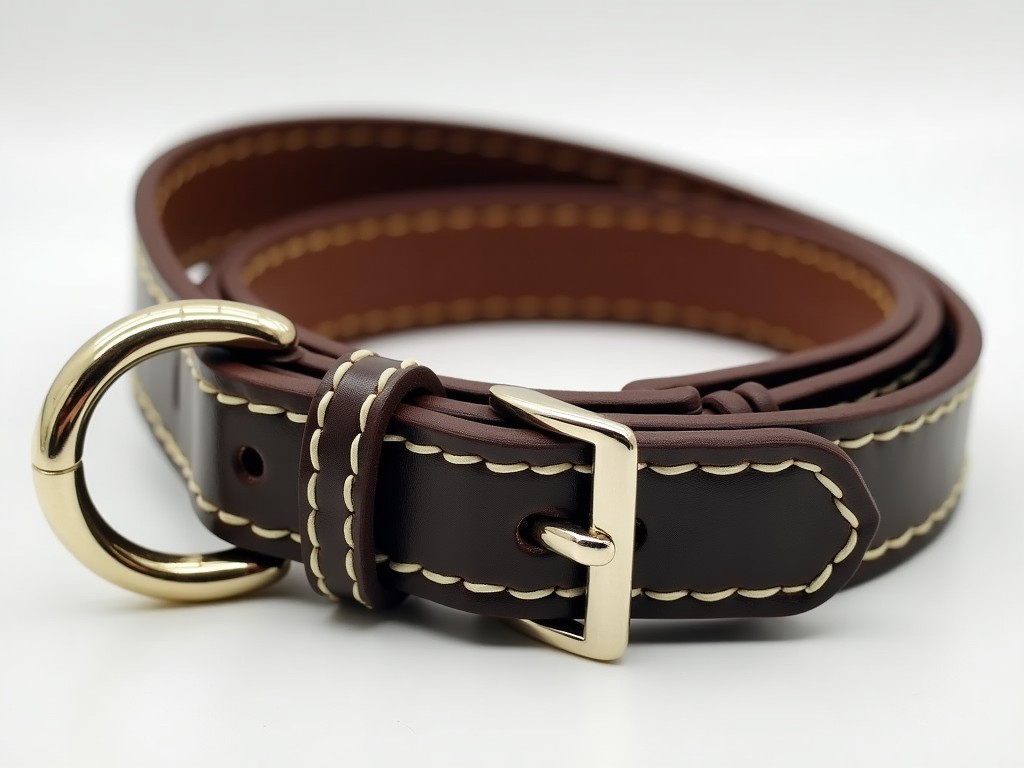
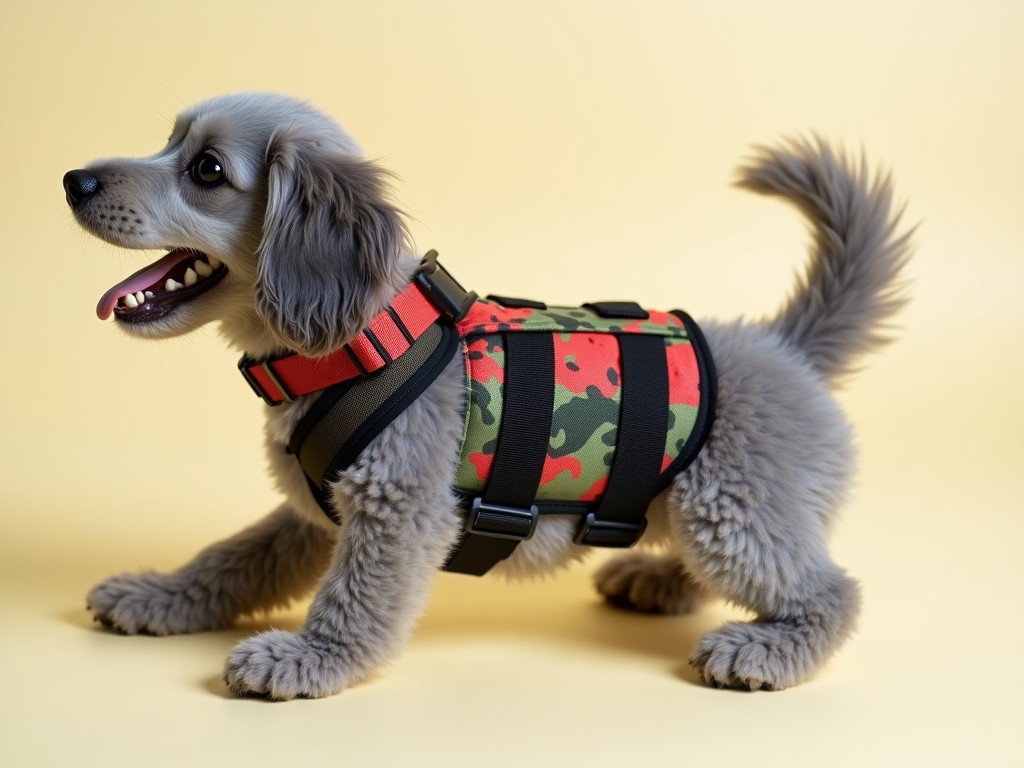
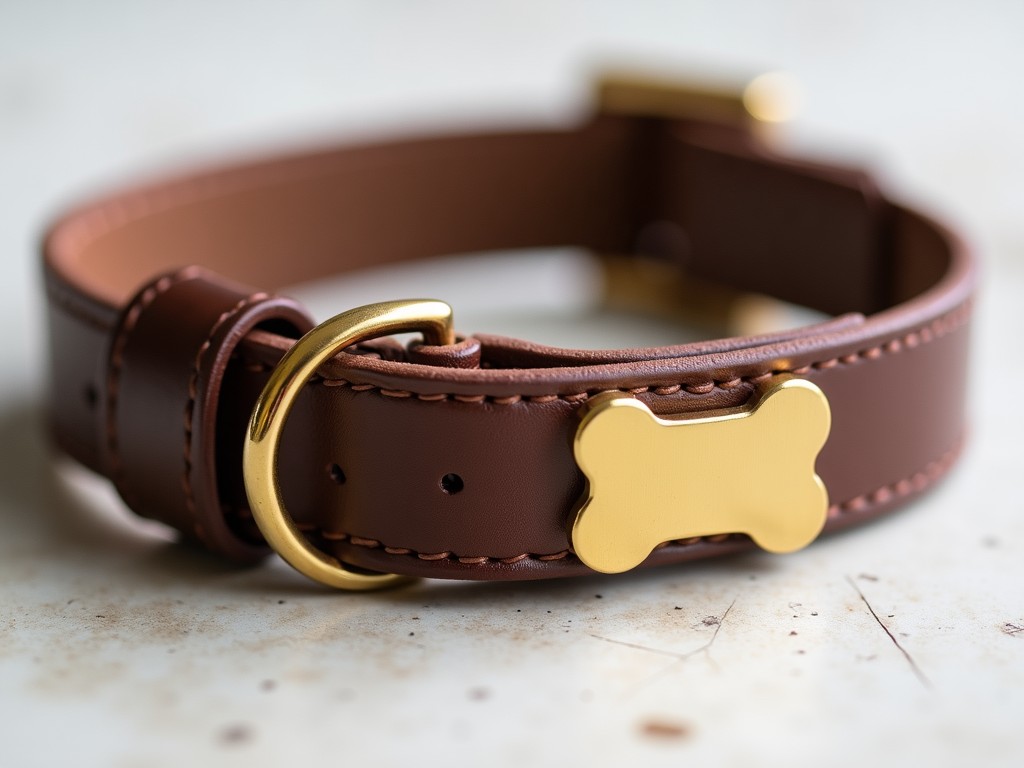
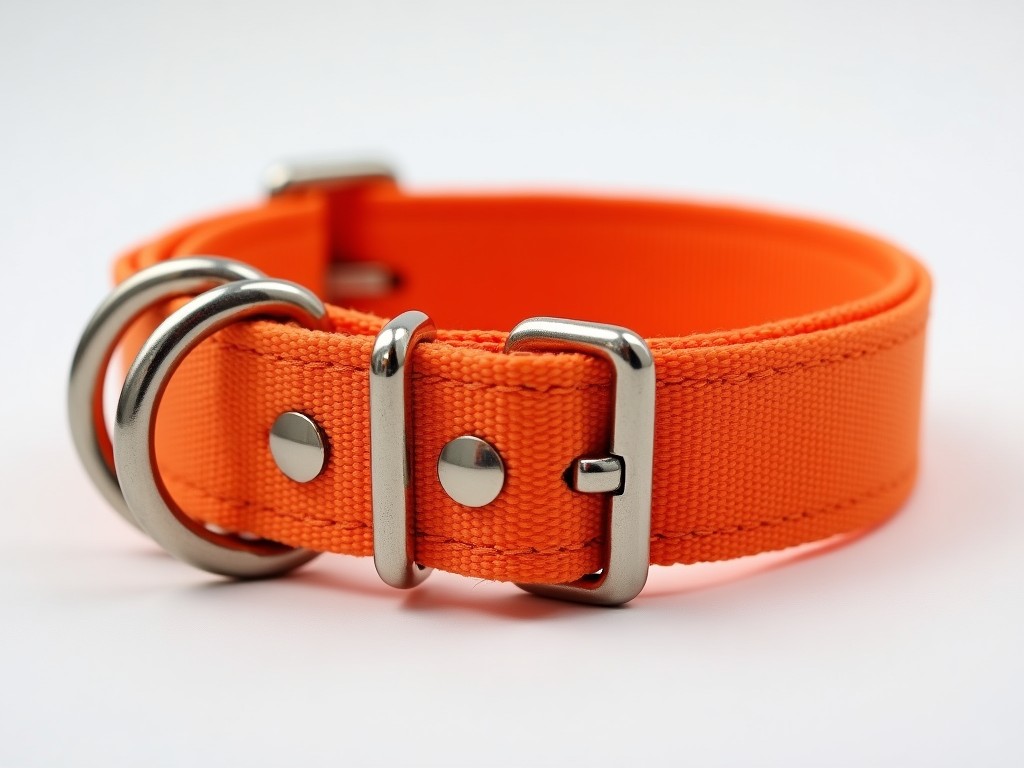
Custom Tactical Military Dog Collar Manufacturer
Custom Tactical Military Dog Collar Manufacturer
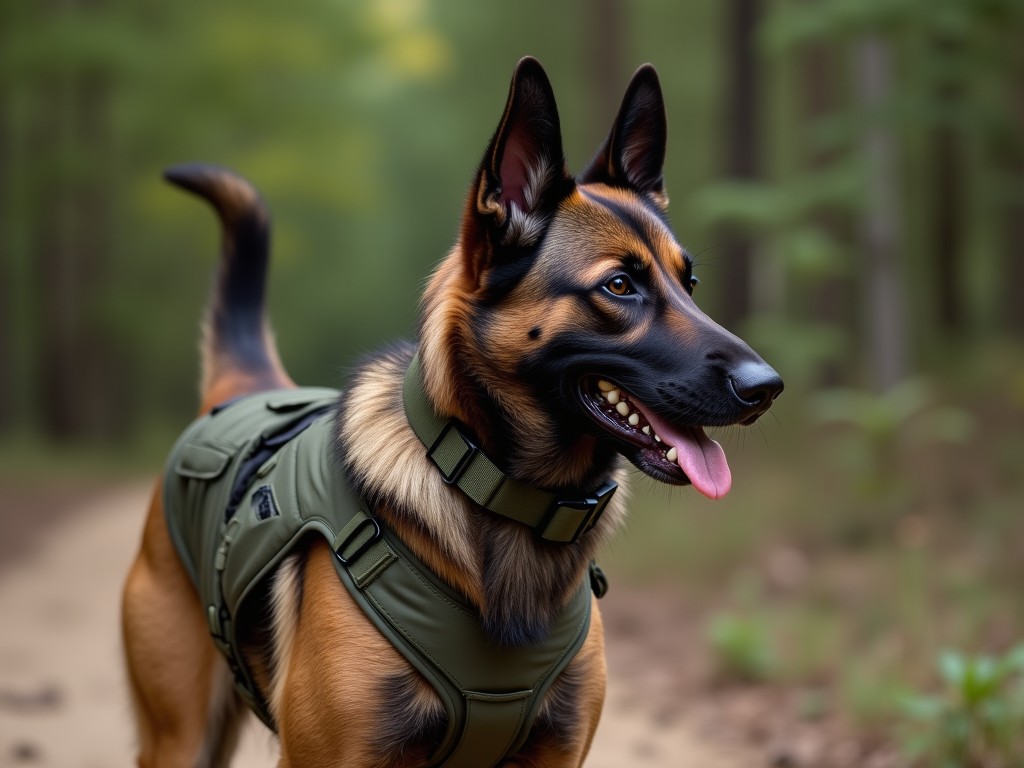
Military equipment for canine operations requires a precise balance between weight reduction, durability, and mission integration. A tactical-grade dog collar serves as a critical interface point, maintaining structural integrity under high dynamic horizontal loads while remaining ergonomic for the animal. Manufacturing processes focus on the selection of high-tensile fibers and reinforced hardware to ensure the equipment does not fail during high-stress maneuvers or extreme environmental exposure.
Engineering these collars begins with an analysis of the operational environment. Unlike consumer-grade products, tactical variants utilize specific weaves designed to resist abrasion and stretching. By controlling the material density and stitching patterns, manufacturers can ensure that attachment points for pouches, cameras, or hydration remain secure and accessible throughout the collar's lifecycle.
Material Selection and Engineering Logic
The primary component of a tactical collar is typically 1000Dier nylon or Cordura webbing. Nylon is favored for its high strength-to-weight ratio and its ability to maintain flexibility even when wet, which is vital for maritime military operations. For environments where moisture retention is a concern, TPU-coated webbing is sometimes utilized to prevent water absorption and reduce the overall weight during heavy rain.
UV resistance is another critical factor for equipment used in high-altitude or desert environments. Standard polymers can degrade over time under intense solar radiation, but tactical-grade materials are treated with UV stabilizers to prevent fiber embrittlement and fraying. This ensures the collar maintains its tensile strength after months of field deployment.
Hardware Engineering and Load Bearing
Hardware selection dictates the failure point of the collar system. Quick-release buckles manufactured from 7075-T6 aluminum alloy are common because they offer aerospace-grade strength without the weight penalty of stainless steel. These buckles are often designed with locking mechanisms to prevent accidental release during high-impact movements or canine aggression.
For applications requiring maximum corrosion resistance, 316 stainless steel D-rings and rivets are specified. These components are tested for salt spray resistance to ensure they do not corrode in maritime environments. Every hardware attachment point is reinforced with box-stitching or bar-tacks to distribute stress across a wider area of the webbing, preventing the material from tearing.
Customization for Mission Integration
Customization allows for the integration of MOLLE (Modular Lightweight Load-carrying Equipment) systems. This enables K9 handlers to attach specialized gear, such as medical pouches, GPS trackers, or communication devices, directly to the collar. The placement of these loops is carefully calculated to ensure the weight distribution does not impede the dog's neck or movement.
- IR-Reflective Stitching: Integration of infrared-sensitive thread for identification under night vision goggles without compromising visible light discipline.
- Laser Engraved Identification: Permanent marking of unit numbers or contact information directly onto hardware to prevent loss.
- Padded Channels: Use of closed-cell EVA foam to distribute pressure and prevent chafing during long-duration missions.
- Custom Dimensions: Anatomically shaped widths and lengths tailored to specific canine breeds and harness requirements.
Material Performance Comparison
| Material | Typical Tensile Strength | Resistance Profile | Primary Application |
|---|---|---|---|
| 1000D Nylon Webbing | ~2200 kg | Water / High flexibility | General Tactical Ops |
| Cordura Nylon | ~1800 kg | Abrasion / Tear | High-Friction Zones |
| TPU-Coated Webbing | ~1500 kg | Moisture / Dirt | Maritime / Arctic Ops |
Quality Control and Testing Standards
Quality assurance is maintained through rigorous testing of every batch. Each collar design undergoes tensile testing to verify that the webbing and stitching can withstand the expected forces exerted by a working dog. This includes testing the load-bearing capacity of hardware to ensure they meet or exceed specified safety margins.
Environmental stress testing is also prioritized. Hardware is subjected to accelerated aging tests and salt spray environments to simulate long-term exposure to sweat and harsh field conditions. By adhering to these engineering standards, the manufacturing process provides procurement officers with the confidence that the equipment will perform reliably when mission-critical.
Developing custom tactical canine equipment requires a deep understanding of material science and operational requirements. We provide technical specifications and material data sheets for OEM and government procurement projects.
Request a technical specification review and quote.