Custom Rolled Leather Collar For Dogs Supplier
Custom Rolled Leather Collar for Dogs Supplier
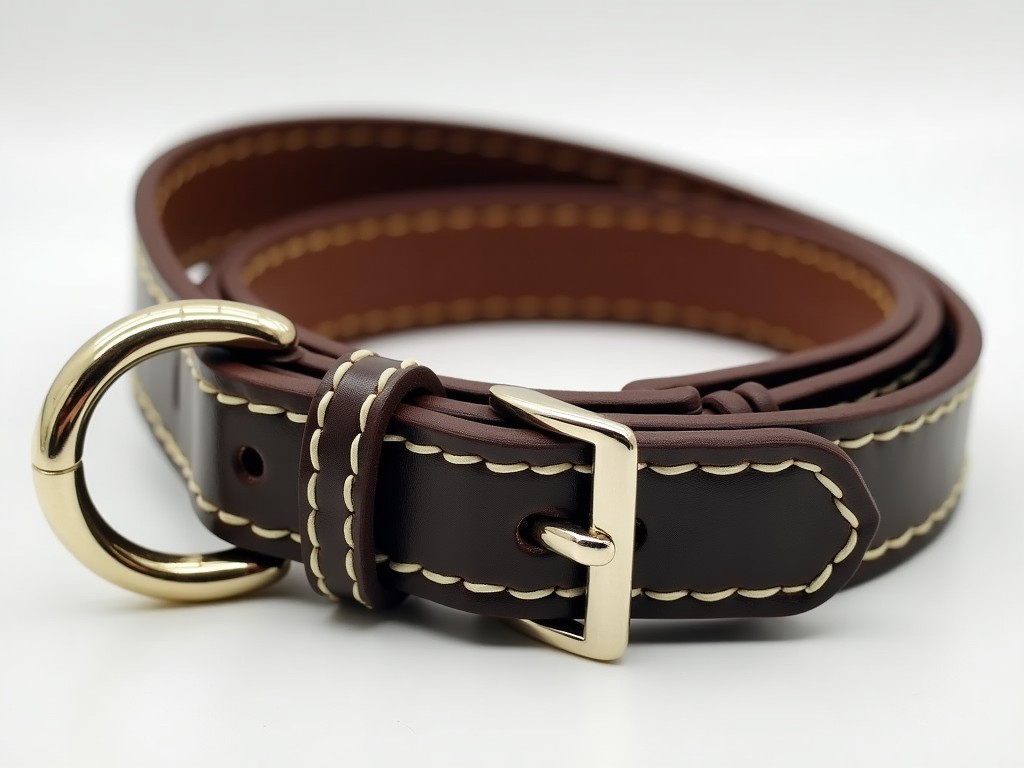
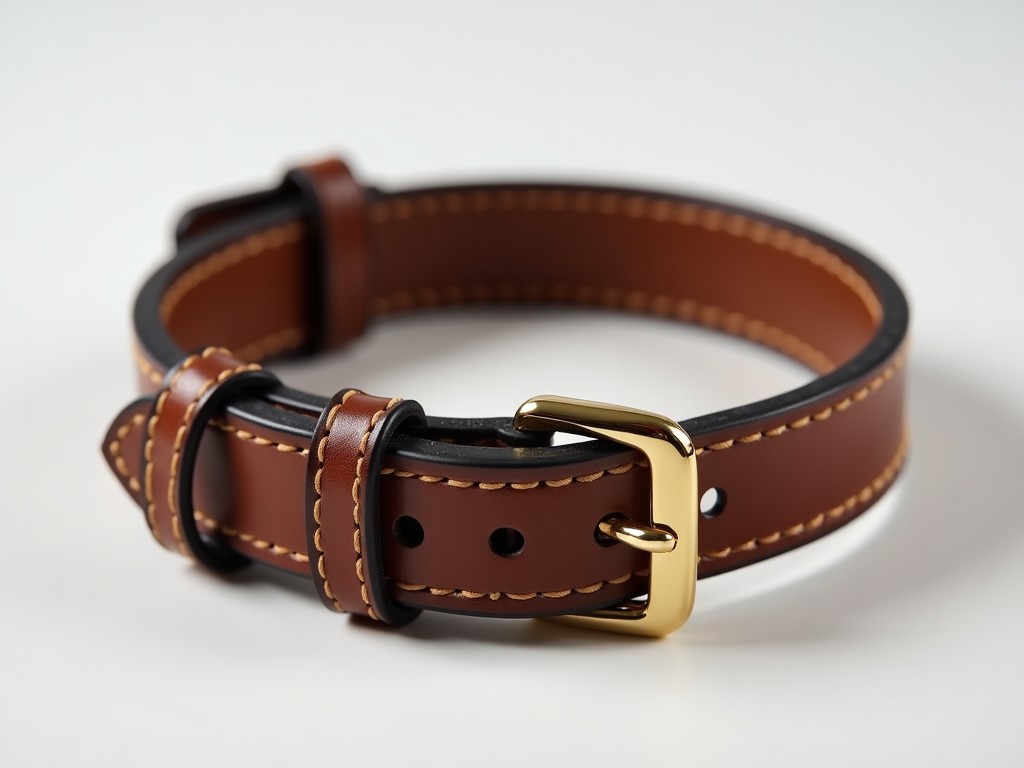
The architecture of a rolled leather collar represents a specific mechanical approach to load distribution in canine equipment. Unlike standard flat-cut collars that concentrate force along the narrow edges, the cylindrical geometry of a rolled collar distributes tensile stress across a wider surface area. This design minimizes mechanical irritation on the skin and maintains structural integrity during high-tension activities, making it a preferred choice for working or working breeds.
Manufacturing these collars requires precision in the rolling process to ensure the internal core does not buckle under stress. By wrapping leather strips around a central axis, the product achieves a structural rigidity that prevents the folding common in multi-layered flat designs.
Engineering Material Selection and Tensile Strength
Selection of the correct leather grade depends on the required tensile strength and environmental exposure. Full-grain, vegetable-tanned leather is frequently utilized for its high fiber density and ability to resist deformation over time. This material undergoes a process that firms the collagen fibers, resulting in a collar that maintains its cylindrical shape even after years of repeated use.
Material density is a critical factor in determining the shear resistance of the collar. Thicker hides, typically ranging from 3mm to 5mm, provide the necessary durability for large breeds exerting significant loads. For specialized industrial-grade requirements, internal reinforcements may be bonded to the leather to increase the breaking point without increasing the overall diameter.
| Specification | Typical Values | Technical Benefit |
|---|---|---|
| Leather Type | Full-grain Vegetable-tanned | High abrasion resistance and structural stability |
| Thickness Range | 3.0mm - 5.5mm | Adjustable load-bearing capacity |
| Hardware Material | 316L Stainless Steel / Solid Brass | Corrosion resistance in outdoor environments |
| Stitch Density | 6-10 stitches per inch (SPI) | Prevents leather seam tearing |
Customization Specifications and Options
Customization allows OEMs to align the product with specific brand aesthetics or functional requirements. Dimensions are calculated based on precise neck measurements, ensuring a fit that prevents choking while maintaining secure attachment.
- Diameter Variation: Options from 15mm to 30mm depending on breed size.
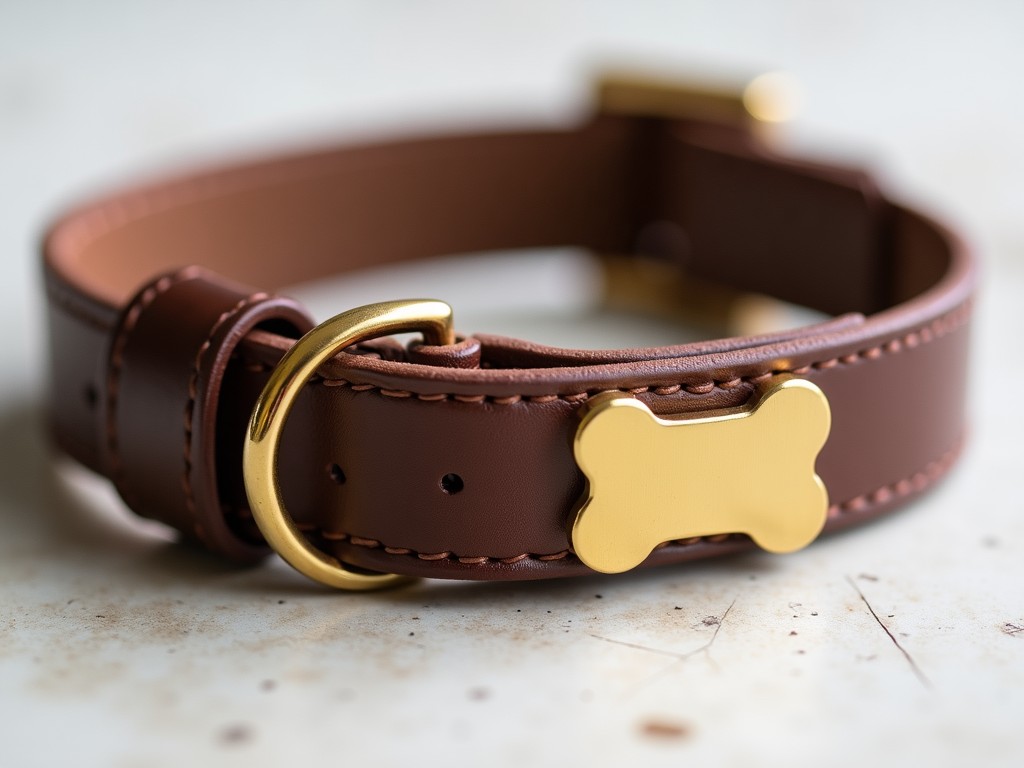
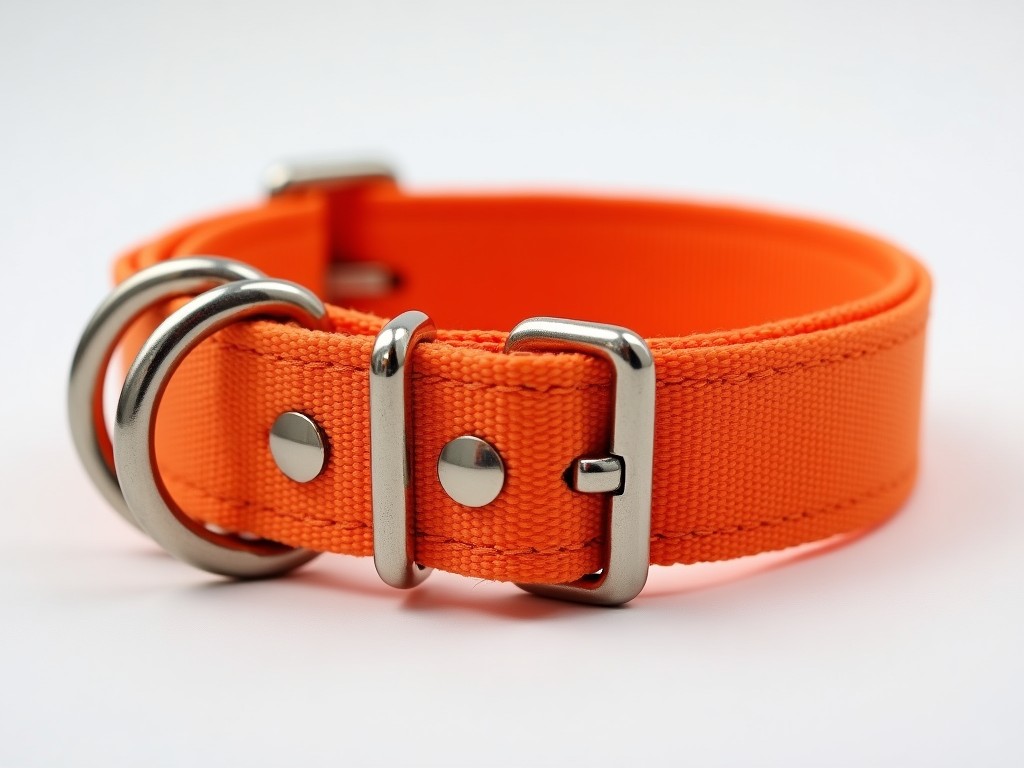
- Hardware Integration: Choice of roller buckles, D-rings, or locking-bolt mechanisms.
- Edge Finishing: Mechanical burnishing or multi-layer polyurethane edge painting for moisture barriers.
- Thread Selection: High-tenacity bonded polyester or waxed nylon for tensile resistance.
Manufacturing Process and Quality Control
The manufacturing workflow begins with precision-cutting the leather strips to ensure uniform width. Each strip is inspected for grain defects or inconsistencies before the rolling phase begins. The rolling is performed on specialized tensioned rollers to ensure the cylinder is perfectly concentric, preventing air pockets or weaknesses.
Quality control protocols involve stress testing the hardware-to-leather junctions. This ensures that the rivets or stitching can withstand the expected dynamic loads encountered during active use. Additionally, edge paint is tested for adhesion to ensure the protective finish does not delaminate under exposure to temperature fluctuations.
Applications and Performance Benefits
Rolled collars are particularly effective in environments where the dog is subjected to frequent pulling. Because the collar lacks sharp edges, it significantly reduces the risk of "collar sores" or fur breakage, which is common with flat collars on long-haired breeds.
In service dog or working contexts, the structural stability of the rolled design provides an advantage. The collar is less likely to twist or flip compared to flat alternatives, ensuring that the lead attachment point remains stable and accessible for the handler throughout the operation.
Frequently Asked Questions
What is the MOQ for custom-branded rolled collars?
Minimum order quantities vary based on the complexity of the hardware and leather specifications. Please contact our engineering team for a quote based on your volume.
Can the hardware be specified for marine environments?
Yes, we offer 316L stainless steel hardware options specifically designed to resist corrosion in salt water and high-humidity conditions.
What is the typical production lead time?
Standard custom orders typically require between 4 to 6 weeks, depending on material availability and the volume of the order.
Requires technical specifications or a formal quote for your custom leather collar project?
Request Technical Consultation