Custom Personalised Diamante Dog Collar Supplier
Custom Personalised Diamante Dog Collar Supplier
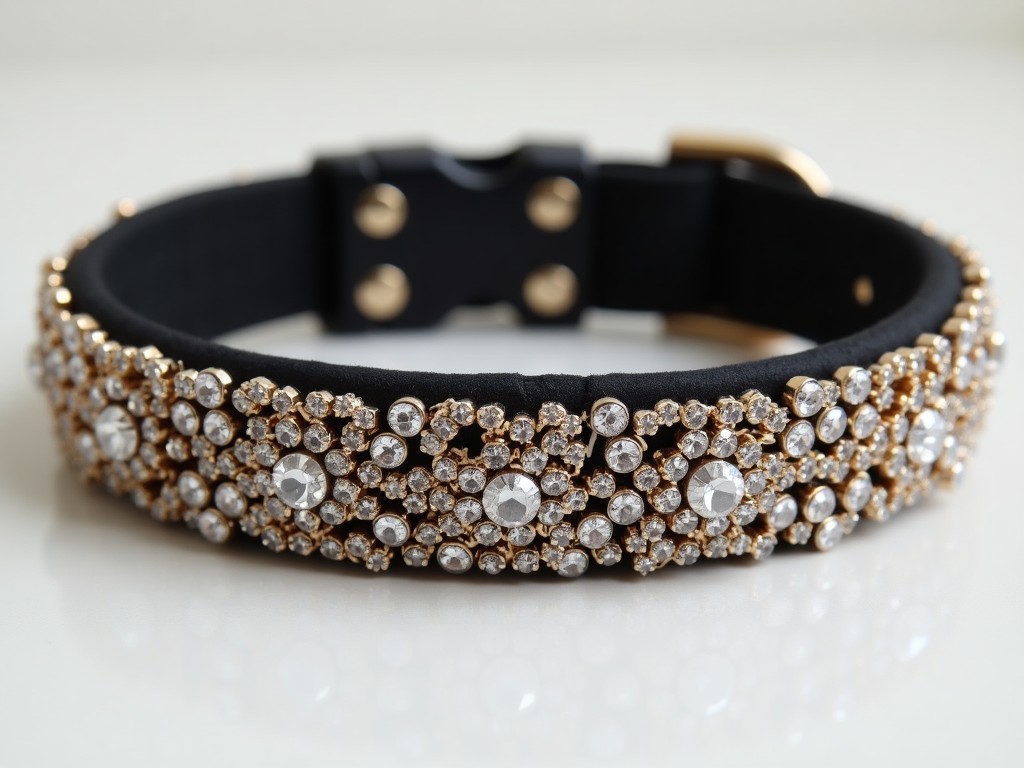
Engineering high-grade diamante dog collars requires a balance between aesthetic precision and structural durability. Unlike consumer-grade accessories, industrial-standard personalized collars utilize high-tensile substrates and secure stone-setting techniques to ensure longevity under repetitive mechanical stress. The manufacturing process focuses on maintaining the integrity of the decorative elements while ensuring the hardware meets functional safety requirements for various canine breeds.
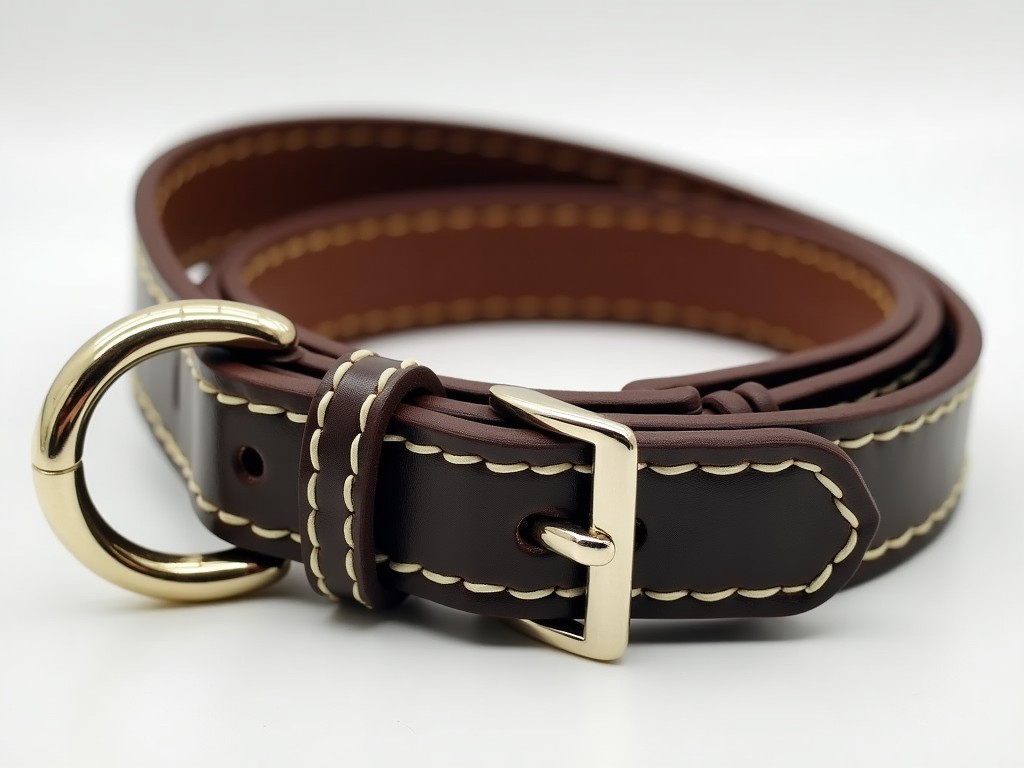
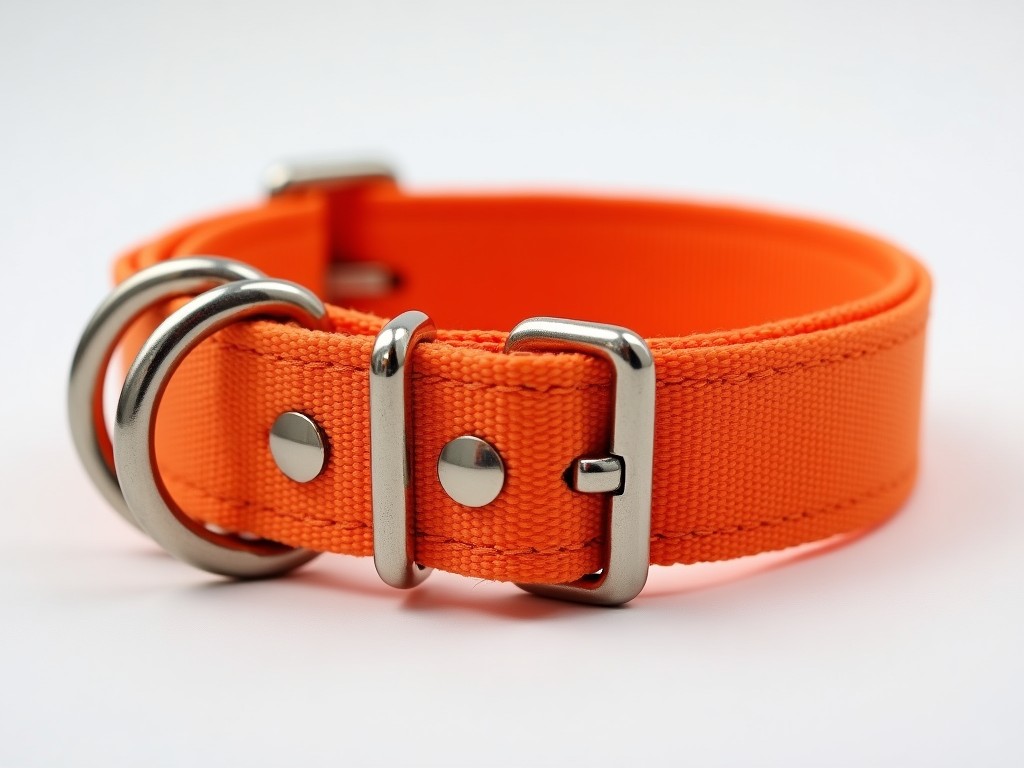
Selection of the base material determines the overall load-bearing capacity and wear-resistance profile of the finished product. Full-grain leather offers natural breathability and flexibility over time, whereas high-density nylon or marine-grade PVC provides superior resistance to moisture and high-activity environments. Each material is tested for its tensile strength to prevent failure during sudden movements.
Technical Specifications and Material Selection
| Feature | Substrate Options | Hardware Material | Typical Application |
|---|---|---|---|
| Primary Material | Full-grain leather, High-density Nylon | 316 Stainless Steel, Zinc Alloy | Luxury retail, daily wear |
| Stone Type | Cubic Zirconia, Glass Crystal | Prong-set, Heat-set | High-end show dogs |
| Personalization | Laser engraving, Inlay | Custom-cast plates | OEM branding |
Customization Techniques and Precision-Engraving Logic
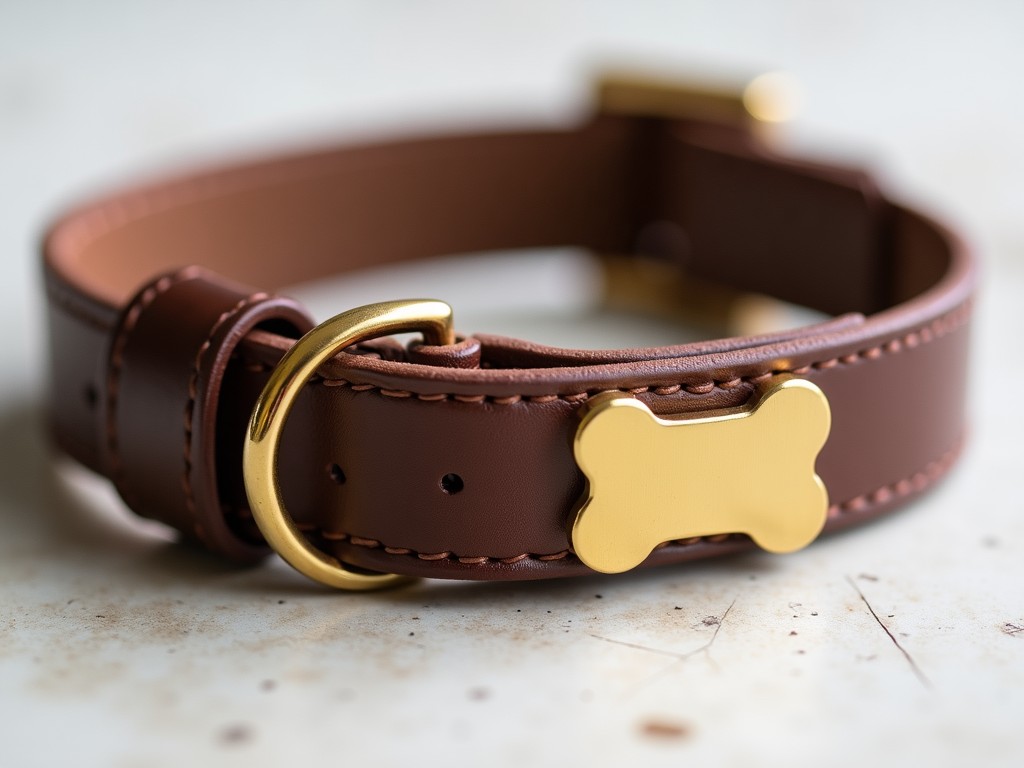
Personalization is executed through high-precision methods that ensure text legibility without compromising the substrate. Laser engraving on hardware allows for deep-cut lettering that remains resistant to abrasion and environmental exposure. For leather-based models, custom metal plates are often riveted onto the collar, providing a flush surface that prevents irritation to the animal.
The method of securing the diamante elements is critical for product life cycle. We utilize prong-setting techniques where metal prongs physically hold the stone in place, significantly reducing the risk of stone loss compared to adhesive-only methods. This mechanical bond ensures that the decorative elements remain intact even during high-friction use cases.
Manufacturing Quality Control and Inspection Standards
Quality control protocols begin with raw material inspection to verify--resistance and structural integrity. Each collar undergoes a tensile test to confirm that the buckles and stitching can withstand specified Newton-meters. We also inspect the stone-setting density to ensure uniform distribution and to prevent snagging that could catch on fabrics or surfaces.
- Oxidation resistance testing for hardware to prevent rust and corrosion.
- Stone retention audits using mechanical vibration-stress simulations.
- Dimensional accuracy to ensure consistent sizing across batches.
- Dermal safety verification for non-allergenic substrates.
Industrial and Commercial Applications
Bespoke-grade diamante collars serve various sectors where brand identity and durability are paramount. In the competitive show circuit, these products provide the necessary aesthetic impact while enduring the rigors of professional handling. Luxury pet retailers utilize our custom supplier services to create exclusive inventory that differentiates their offerings from mass-market competitors.
OEM partners frequently request personalized collars to integrate their corporate branding directly into the product hardware design. By specifying material grades and stone-setting methods, distributors can offer a premium product tier that aligns with their brand's technical expectations.
Frequently Asked Questions
What is the maximum tensile strength of the leather collars?
Tensile strength depends on leather thickness and tanning process; typically, industrial-grade leather collars exceed 150kg of load before failure.
How are the diamante stones secured?
We utilize mechanical prong-setting rather than glues, ensuring the stones are physically locked into the substrate for long-term durability.
What are the typical production lead times for custom orders?
Lead times generally range from 3 to 6 weeks depending on the order volume and the complexity of the personalization requirements.
Request a technical specification sheet or a quote for your project requirements.
Inquire About Custom Manufacturing