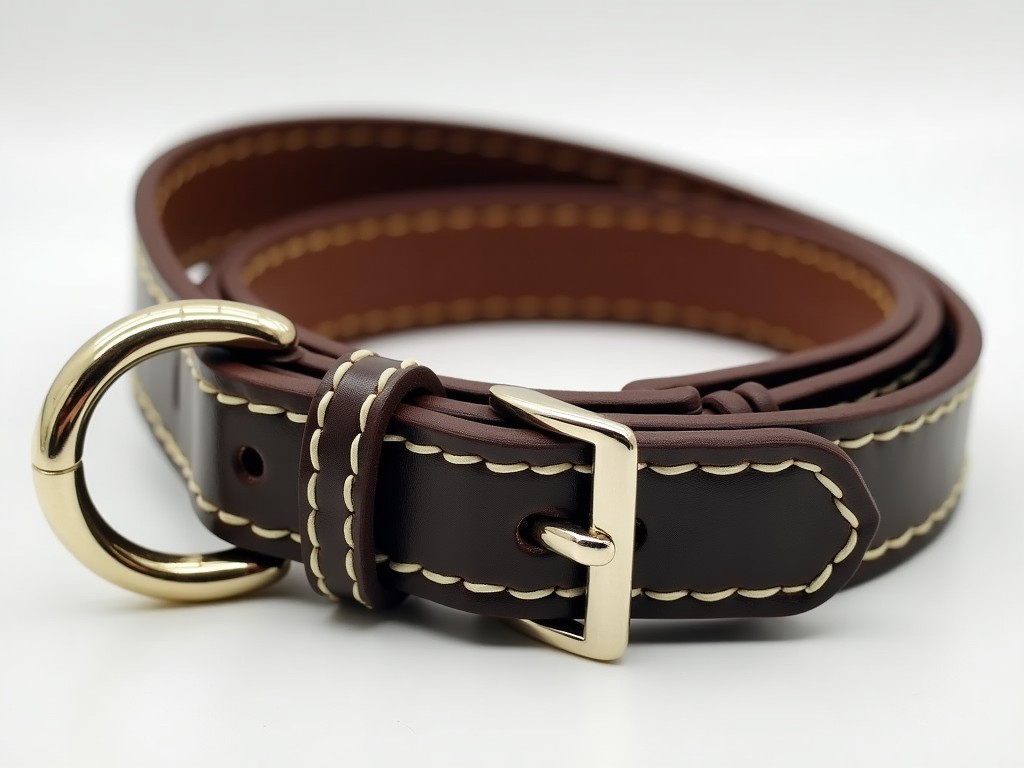
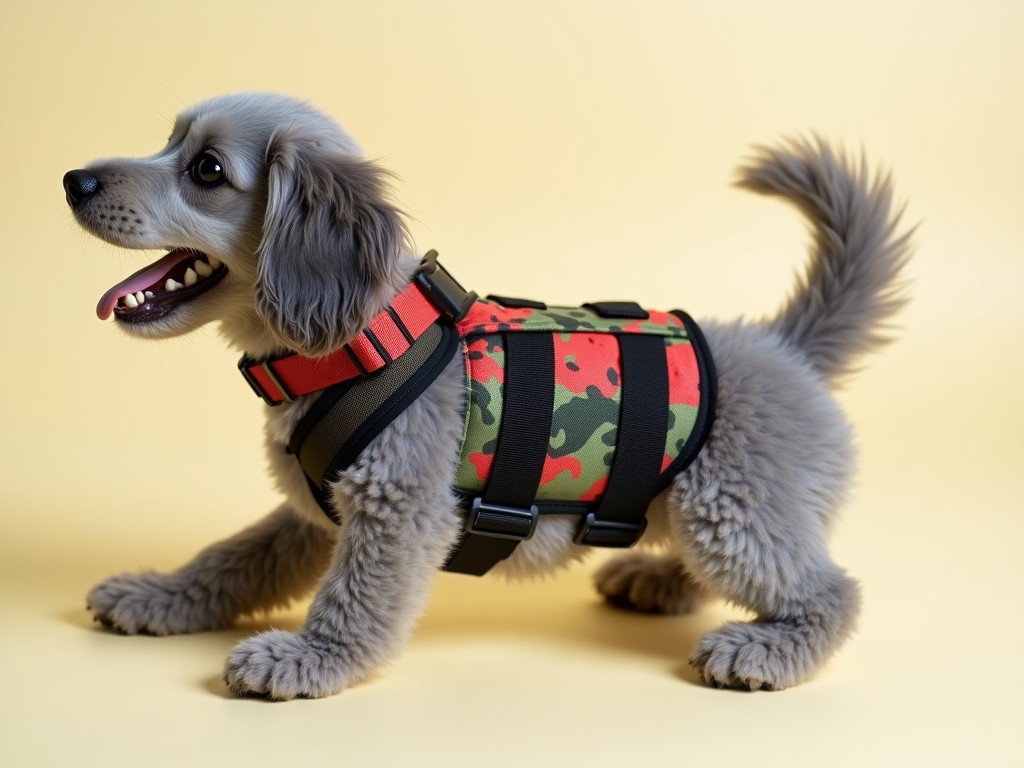
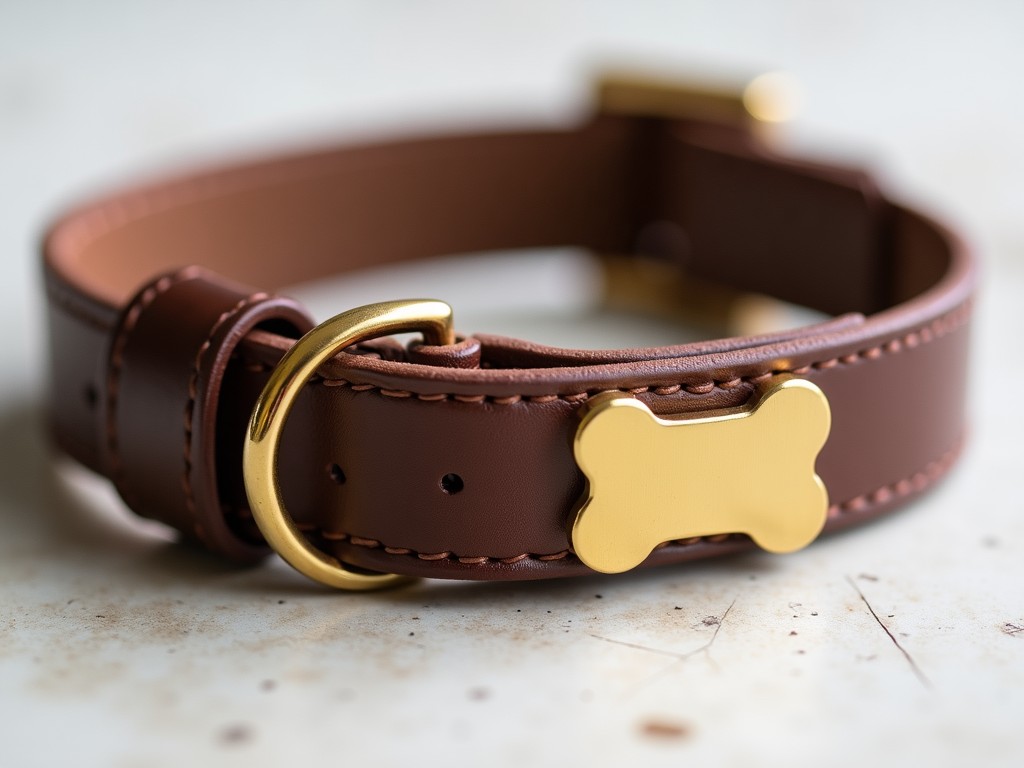
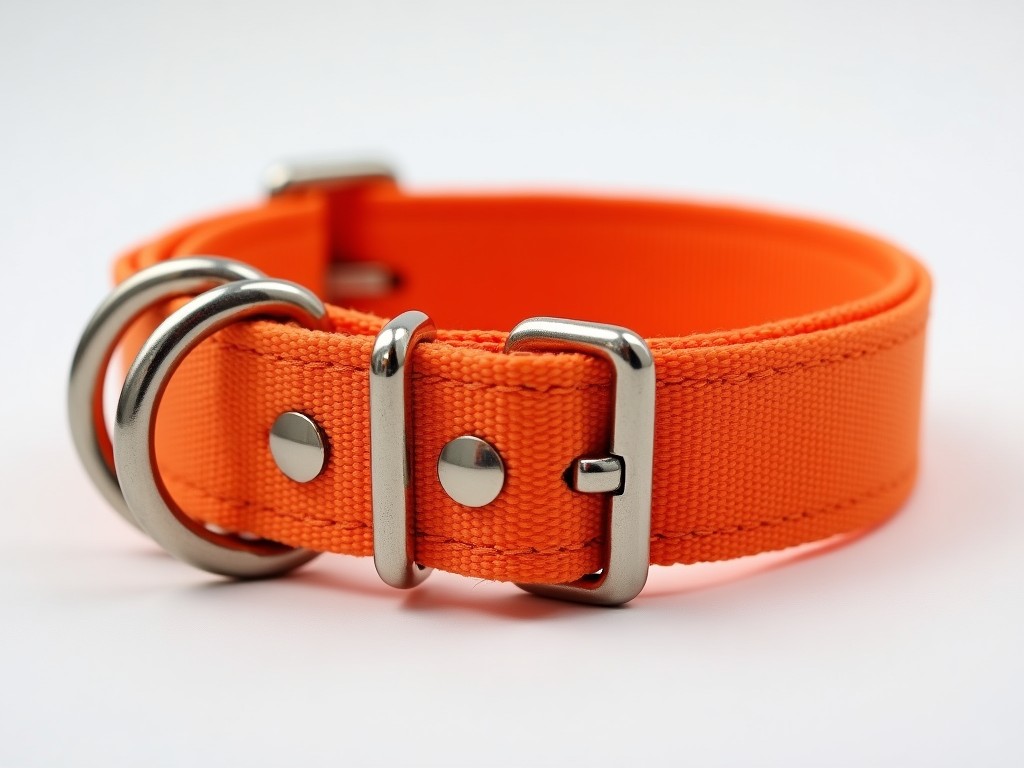
Custom Lightweight Dog Collar For Small Dogs Supplier
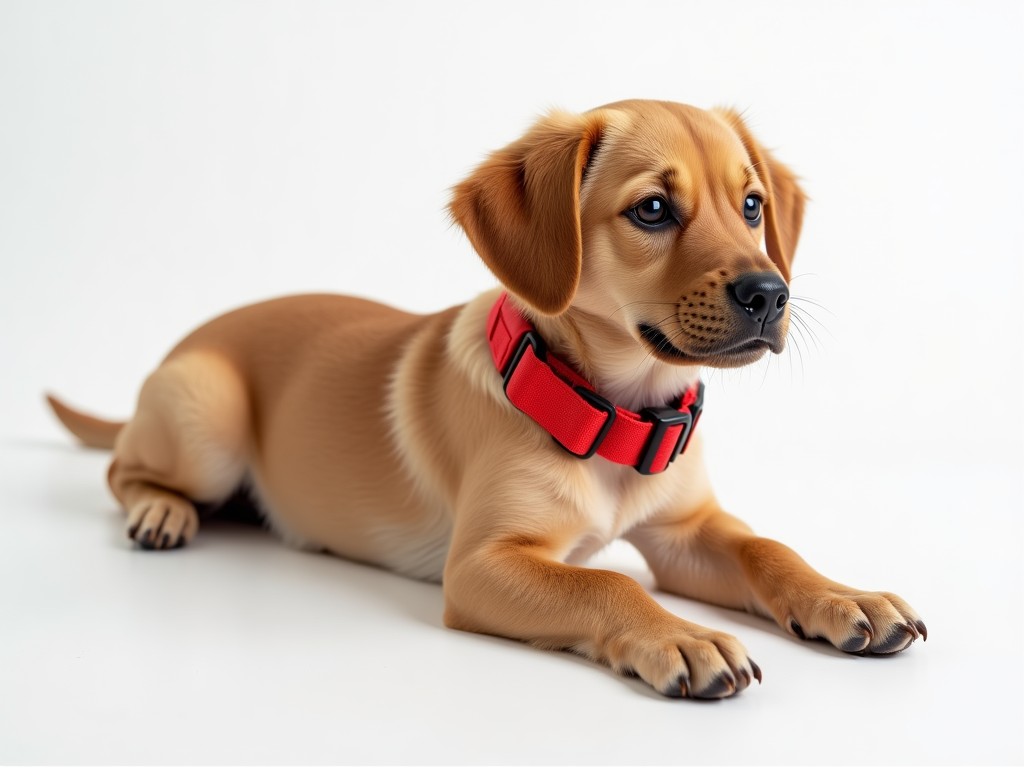
Custom Lightweight Dog Collar for Small Dogs Supplier
Engineering equipment for small canine breeds requires a precise balance between weight reduction and structural integrity. Unlike larger breeds, small dogs are highly susceptible to mechanical stress on the cervical spine when equipment adds excessive mass or creates poor-pressure distribution. The manufacturing process focuses on minimizing dead mass while maintaining the necessary load-bearing capacity for safety control and mobility.
Procurement managers for pet brands must prioritize the weight-to-tensile ratio of the materials used. By utilizing high-tensacity polymers and lightweight hardware alloys, we ensure that the collar does not impede the natural gait of the animal or cause physical fatigue.
Material Selection and Performance Characteristics
Material selection dictates the collar's performance under varying environmental conditions and mechanical stress. High-tensacity nylon webbing offers a superior strength-to-weight ratio, making it ideal for high-activity environments where durability is paramount. Conversely, neoprene-based composites provide enhanced pressure distribution, which is critical for breeds with sensitive skin or thin fur layers prone to chafing.
Medical-grade silicone is an alternative for specialized applications requiring hypoallergenic properties. This material remains resistant to UV degradation and moisture, ensuring the structural properties do not degrade over exposure to outdoor elements or cleaning cycles.
| Material | Relative Weight | Tensile Strength (Typical) | Primary Application |
|---|---|---|---|
| Nylon Webbing | Low | 400kg - 800kg | Standard Duty/Active Use |
| Neoprene Composite | Medium | 150kg - 300kg | Comfort/Sensitive Skin |
| Silicone Reinforced | Medium | 100kg - 250kg | Hypoallergenic/Luxury |
Customization Options for OEM Requirements
Industrial clients require specific technical parameters to meet different breed-specific market needs. Width options range from 10mm to 20mm to accommodate the anatomical constraints of toy breeds versus small working breeds. Hardware selection includes anodized-grade aluminum for maximum weight reduction or 316 stainless steel for maximum corrosion resistance.
- Variable length buckles for precise neck circumference adjustments without adding bulk.
- Reinforced stitching patterns, including bar-tack and ultrasonic welding for high-stress points.
- Reflective thread integration for low-visibility safety in urban environments.
- Custom branding via laser-engraved hardware or heat-transfer woven tags.
Manufacturing and Quality Control Protocols
Quality assurance begins with the testing of raw material components. Every batch undergoes tensile strength testing to ensure the webbing-to-hardware interface meets the specified load-bearing requirements. We monitor for fraying resistance and edge irregularities that could lead to skin irritation or structural failure over time.
Consistency is maintained through automated cutting processes that ensure dimensional tolerances within +/- 1mm. This precision ensures that every unit in a production run fits the intended specification identically, reducing return rates for the end distributor.
Technical Applications
Lightweight collars are essential for urban mobility where small dogs navigate crowded environments and varying temperatures. In these settings, a heavy collar prevents the dog from being distracted or injured by weight during sudden movements. For tactical applications involving small breeds, lightweight gear allows for the integration of sensors or tracking devices without overheating the animal.
Frequently Asked Questions
Can dimensions be customized for specific toy breed sizes?
Yes, we offer custom widths and lengths starting from 15cm up to 40cm, to fit the specific anatomical needs of any small dog breed.
What is the typical production lead time for bulk orders?
Standard OEM orders typically range from 4 to 6 weeks depending on the material complexity and the volume of the request.
How is quality inspected for tensile strength?
We utilize mechanical pull testers on sample units from every production run to ensure they exceed the safety factor defined for the material.
Technical specifications and material data sheets are available upon request. Contact our engineering team to discuss your project requirements for a custom lightweight collar line.
Request a Technical Quotation