Custom Duck Hunting Dog Collar Supplier
Custom Duck Hunting Dog Collar Supplier
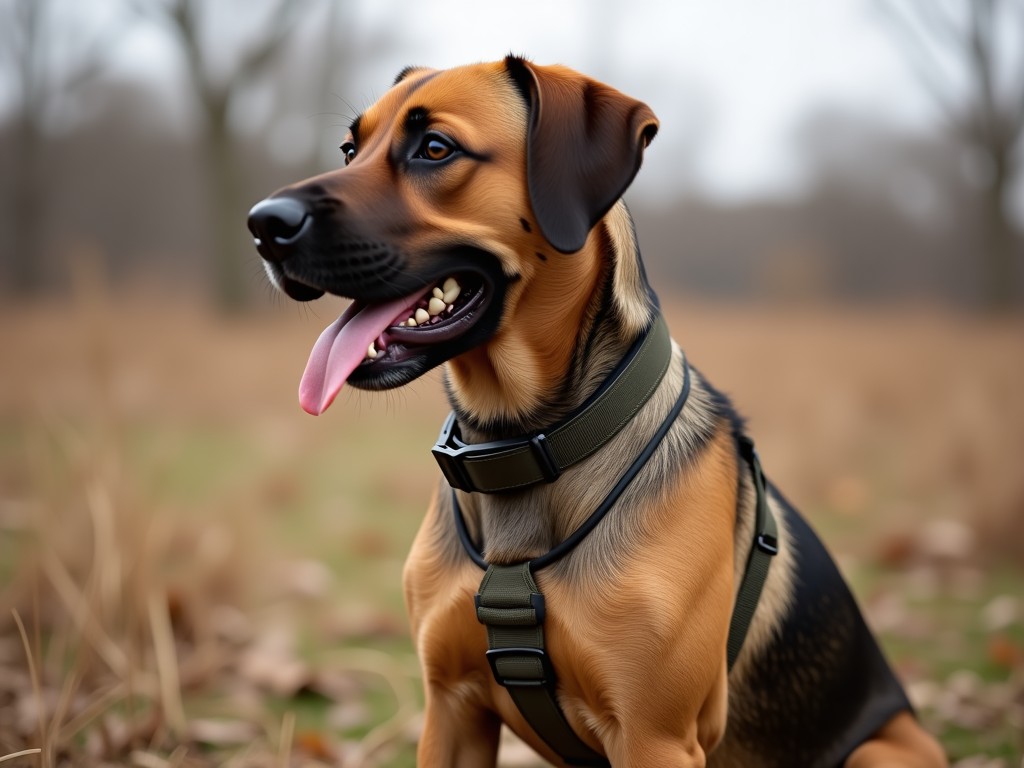
Waterfowl hunting environments present extreme stressors for canine equipment, characterized by constant immersion in cold water, exposure to mud, and frequent mechanical abrasion. A professional-grade collar must maintain structural integrity to prevent failure during high-tension retrievals or movement through dense brush. Our manufacturing process focuses on selecting materials that resist organic rot and UV degradation, ensuring the gear remains functional across multiple seasons of use in diverse climates.
Engineering a collar for duck hunting requires balancing tensile strength with weight and buoyancy considerations. While standard nylon may absorb moisture and become heavy or brittle, specialized hunting collars utilize closed-cell structures to prevent water retention. We prioritize components that do not corrode when exposed to saltwater, which is a common point of failure in coastal duck hunting environments.
Material Selection and Durability Engineering
Material choice is the primary factor in determining the lifecycle of a hunting collar. Biothane, a polyester webbing with with a polyurethane coating, is often specified because it is completely waterproof and easy to sanitize after muddy excursions. This material prevents the growth of bacteria and odors that typically occur in fabric-based collars when used in wet conditions.
Alternatively, high-density neoprene is utilized for collars where comfort and impact absorption are prioritized. The closed-cell foam core distributes pressure more evenly across the dog's neck, reducing chafing during long days in the field. For industrial-grade applications, we double-stitch the reinforced seams to ensure the material layers do not delaminate under repeated mechanical stress.
| Material | Tensile Strength | Water Resistance | Primary Benefit |
|---|---|---|---|
| Biothane (PVC coated) | High | Absolute | Easy cleaning / Odor resistant |
| Closed-Cell Neoprene | Medium | High | Comfort and shock absorption |
| Tactical Mil-Spec Nylon | Very High | Low (Absorbent) | Low cost / High abrasion |
Hardware and Customization Logic
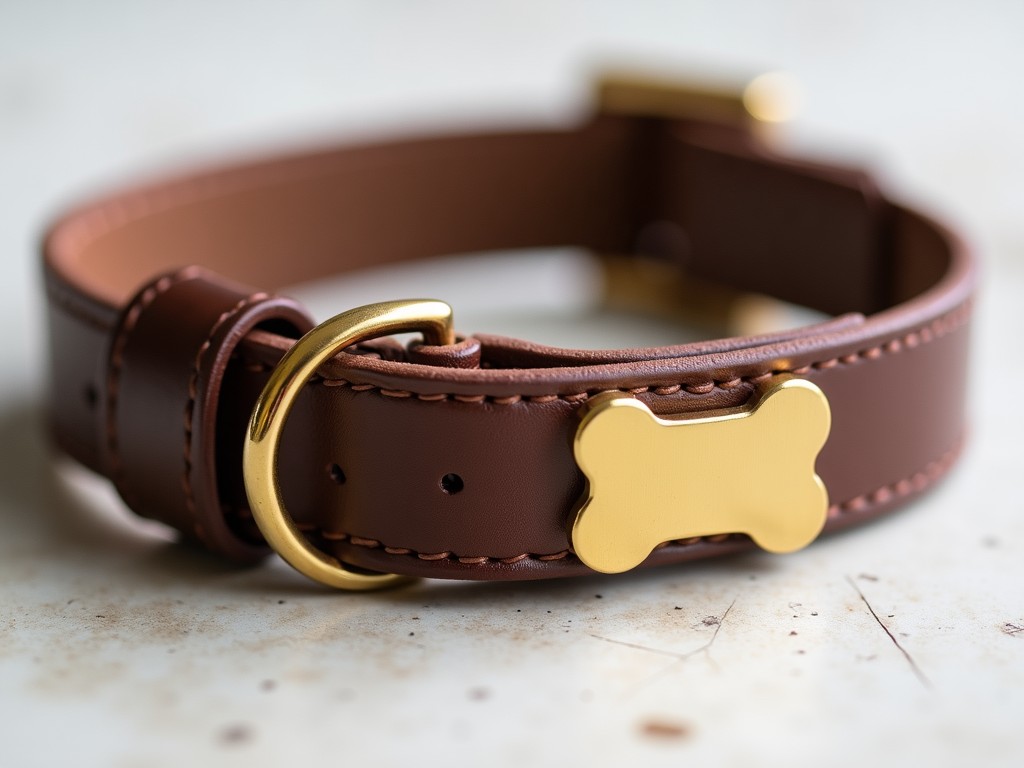
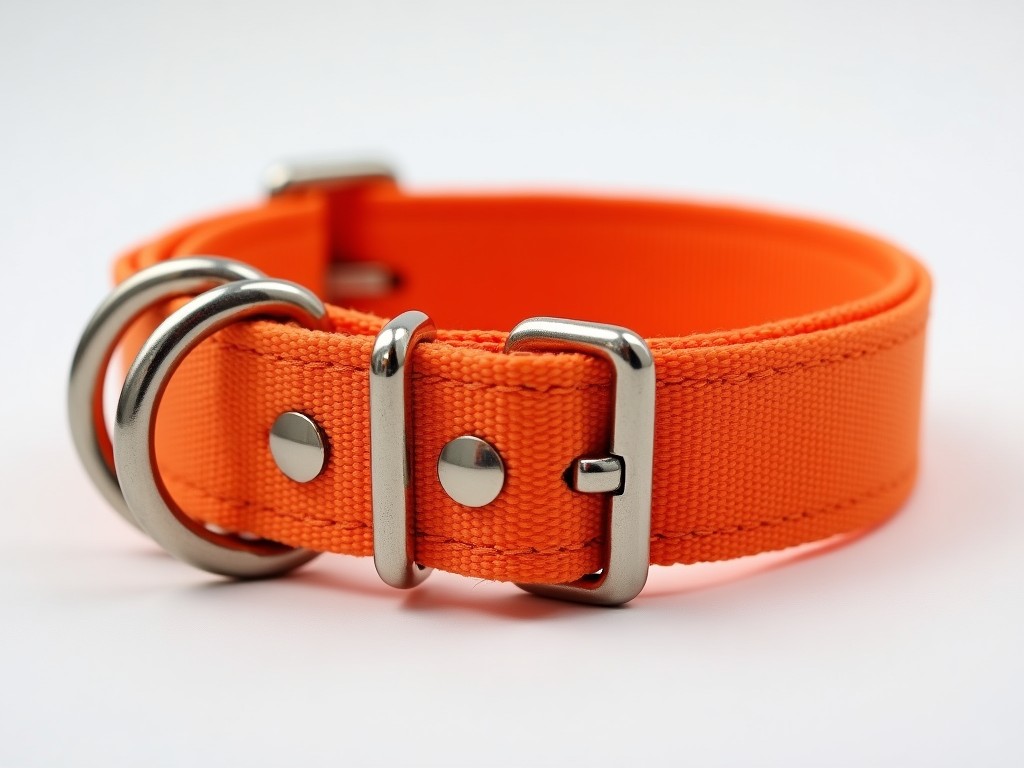
Hardware failure is the most common risk in dog collar design. We utilize 316 stainless steel or marine-grade brass hardware to eliminate oxidation and rust caused by prolonged humidity and saltwater exposure. Quick-release buckles are designed with rounded edges to prevent snagging on gear or brush, which is critical for safety during active retrieving.
Customization options allow OEM buyers to integrate specific functional features into the product line. This includes laser-engraved identification tags that remain legible indefinitely, unlike printed ink which may rub off over time. We can also incorporate MOLLE-compatible webbing to allow the attachment of utility pouches or reflective stitching for high-visibility during dawn or dusk hunting sessions.
Application Analysis: Why Technical Environments Matter
In duck hunting, the collar is often submerged in sub-freezing water. Standard plastics can become brittle and crack under these conditions, leading to sudden failure and potential equipment loss. By using UV-stabilized polymers and flexible hardware mounts, we ensure the collar remains pliable and functional even when temperatures drop significantly below freezing (0°C).
Frequently Asked Questions
What is the minimum order quantity for custom branded hardware?
Minimum order quantities depend on the complexity of the hardware and material selection. Typically, custom-engraved hardware starts at 100 units per design.
Can the collars be sized for specific breeds?
Yes, we provide technical sizing charts to accommodate various neck diameters, ensuring a proper fit that prevents collar slip during activity.
What is the production lead time for OEM orders?
Standard production for custom orders typically ranges from 4 to 8 weeks, depending on material availability and specific customization requirements.
Need technical specifications or a bulk quote for your product line?
Request Technical Quotation