China Quick Release Dog Collar
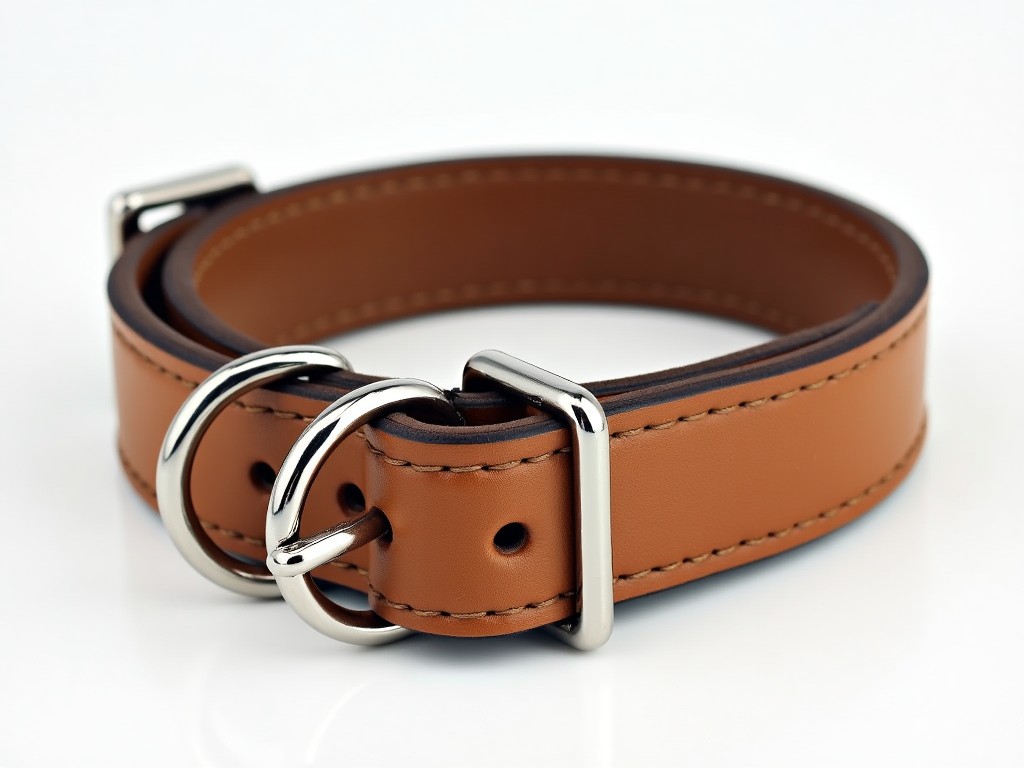
China Quick Release Dog Collar Manufacturing & Sourcing
The engineering of quick release dog collars requires a precise balance between mechanical security and rapid-deployment capabilities. In industrial and professional veterinary contexts, the ability to de-harness an animal instantly is a critical safety protocol. Manufacturing in China now focuses on utilizing high-tenacity polymer fibers and precision-machined hardware to ensure that these quick release mechanisms can withstand significant kinetic loads without accidental release or structural failure.
Material Selection and Durability Factors
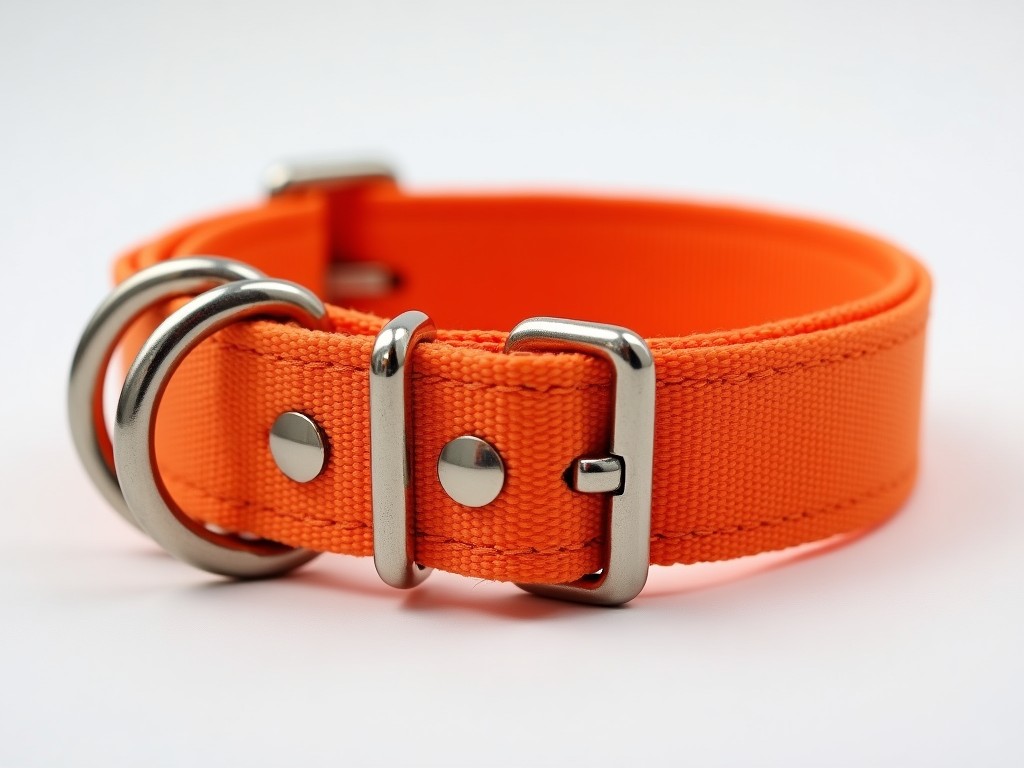
Material choice dictates the lifecycle and environmental resistance of the collar. High-tenacity nylon-6 remains the industry standard due to its high strength-to-weight ratio and resistance to abrasion. For environments involving frequent moisture or chemical exposure, TPU (thermoplastic polyurethane) coatings are applied to the webbing to prevent water absorption, which can otherwise degrade the internal fiber integrity over time.
Hardware components typically fall into two categories: acetal polymers or zinc/steel/aluminum alloys. Acetal buckles offer corrosion resistance and cost-effectiveness for general use, whereas metal hardware—such as Cobra-style buckles forged from aerospace-grade aluminum—is specified for K9 units and heavy-duty work where where load-bearing requirements exceed 200kg.
Mechanism Analysis: Quick-Release Systems
The quick release mechanism operates on a spring-loaded or cam design. In standard side-release buckles, two opposing prongs lock into a central housing. The engineering challenge in manufacturing lies in maintaining the tolerance of these components; tolerances that are too loose lead to "popping" under tension, while tolerances too tight make the buckle difficult to operate with glo gloves.
Advanced industrial variants utilize dual-lock mechanisms to prevent accidental deactivation. These systems require two distinct movements to release the buckle, providing a higher margin of safety for service animals or working dogs where a sudden collar release could result in hazardous situations.
Technical Specifications Overview
| Parameter | Standard Industrial Grade | Customizable Options |
|---|---|---|
| Webbing Material | Nylon-6 | TPU-coated, Polyester, Leather |
| Tensile Strength | 400kg - 1200kg | Up to 2500kg (Reinforced) |
| Buckle Material | Acetal / ABS Plastic | 7075 Aluminum, Stainless Steel 316 |
| Collar Width | 20mm, 25mm, 40mm | Custom widths per OEM specs |
Industrial Applications
- Veterinary Medicine: Rapid release mechanisms allow technicians to remove collars instantly during medical emergencies or when an animal becomes distressed, minimizing risk of injury.
- K9 and Law Enforcement: High-strength metal hardware ensures the collar remains secure during high-impact maneuvers while allowing for quick deployment in field.
- Service Animal Operations: UV-resistant materials ensure the collar maintains structural integrity over years of continuous outdoor exposure in diverse public environments.
- Industrial Working Dogs: Heavy-duty collars provide the stability needed for dogs working in search or construction environments where debris abrasion is common.
Quality Control and Testing Standards
To ensure industrial reliability, manufacturing facilities employ rigorous mechanical testing protocols. The primary test is the tensile pull test, where the webbing and hardware assembly are subjected to force until failure or deformation. This data confirms that the product meets the minimum load-bearing requirements specified in the technical sheet.
Furthermore, metal hardware undergoes salt spray testing to evaluate corrosion resistance, particularly for products intended for coastal or humid environments. Plastic components are tested for cycle fatigue to ensure the quick release mechanism remains functional after thousands of opening and closing cycles.
Require specific technical specifications or bulk manufacturing data for your OEM project?
Request a Technical Quotation