China Pvc Dog Collar Supplier
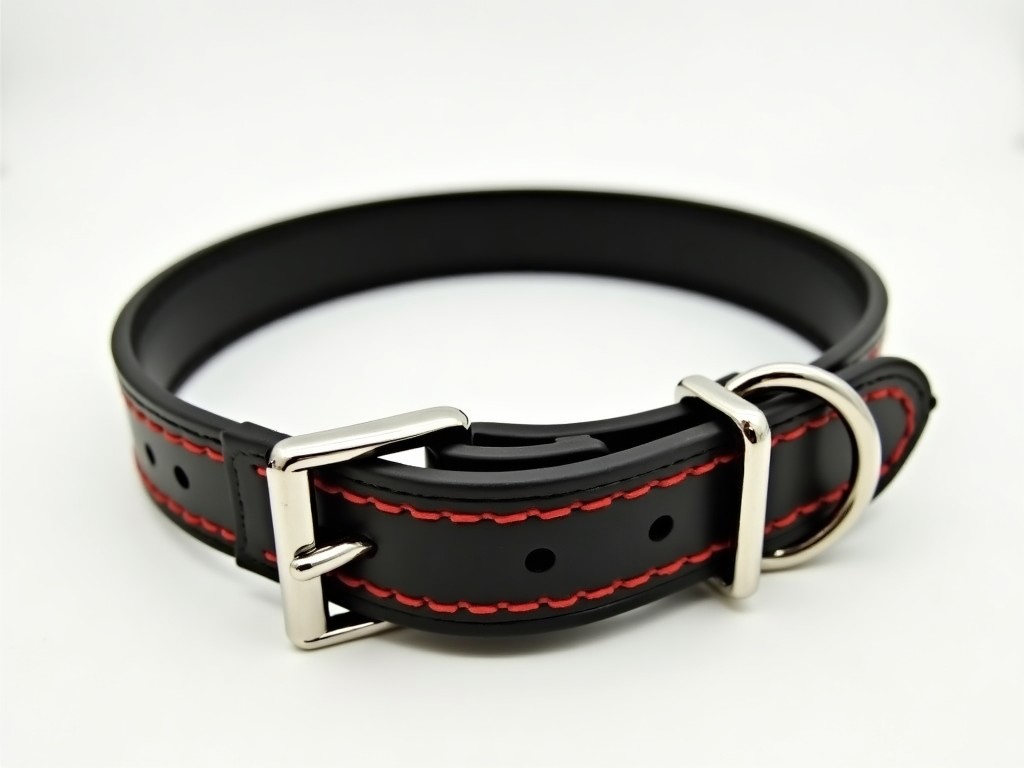
China PVC Dog Collar Supplier: Industrial Manufacturing Guide
The procurement of pet accessories at an industrial scale requires a deep understanding of material science and manufacturing capabilities, particularly regarding polyvinyl chloride (PVC). Unlike traditional woven materials, PVC-based collars offer a non-porous surface that makes them ideal for high-moisture environments where hygiene is critical. Industrial-grade manufacturing in China focuses on optimizing the polymer blend to ensure the final product maintains tensile strength while retaining sufficient flexibility for animal comfort.
Procurement managers evaluate PVC based on its resistance to UV degradation, chemical exposure, and mechanical stress. High-quality production lines utilize specialized stabilizers to prevent the plastic from becoming brittle over time when exposed to prolonged sunlight or extreme temperature fluctuations. This guide outlines the technical specifications, manufacturing processes, and quality control protocols expected from a professional PVC collar supplier in the global market.
Technical Specifications of PVC Collars
The performance of a PVC dog collar is primarily determined by the density of the resin and the concentration of plasticizers used during extrusion. Higher-density PVC typically results in a collar that is more resistant to abrasion, which is essential for working dogs or active outdoor breeds. Furthermore, the hydrophobic nature of the material ensures that the collar does not absorb water or odors, a significant advantage over nylon or leather alternatives.
- Tensile Strength: Industrial grades typically range from 200kg to 500kg depending on thickness and internal reinforcement.
- Temperature Resistance: Functional from -30°C to +70°C, ensuring material remains pliable in varied climates.
- Chemical Stability: High inertness toward oils, salts, and common household cleaning agents.
- Weight Density: Lightweight compared to heavy leather collars, reducing neck strain on the animal.
Manufacturing Process: Extrusion vs. Injection Molding
Manufacturing facilities generally utilize two methods for producing PVC collars. Extrusion is the most common method for flat profiles, where molten PVC compound is pushed through a die to create a uniform cross-section. This method is highly efficient for high-volume orders of standard widths. In contrast, injection molding is reserved for complex designs that require integrated hardware channels or specific ergonomic shapes that extrusion cannot achieve.
In the extrusion process, the control of the cooling rate is vital to prevent internal stresses that could compromise the structural integrity of the collar. For custom molded components, the injection molding process requires rigorous temperature monitoring to avoid air bubbles or voids within the material. A professional supplier will provide data on these manufacturing parameters to ensure batch consistency across different production runs.
Material Comparison
| Feature | PVC Polymer | Nylon Weoven | Genuine Leather |
|---|---|---|---|
| Moisture Resistance | Excellent (Non-porous) | Moderate (Absorbs) | Low (Requires treatment) |
| Maintenance | Wipe-clean | Quick dry, but can fray | Oiling/Conditioning required |
| UV Stability | High (with stabilizers) | Medium (Fading) | Low (Cracking) |
| Cost-Efficiency | High | Medium | Low |
Customization Options for OEM Buyers
Industrial buyers often require specific customization parameters to fit into niche market segments. This extends beyond simple color selection, which is achieved through masterbatch integration in the PVC compound to ensure color uniformity. Branding can be applied via embossing directly into the material during the extrusion process, providing permanent marking without the risk of peeling associated with printing.
Standard widths range from 15mm for small breeds to 40mm for large working dogs. Thickness can also be adjusted between 2mm and 5mm to balance weight and load-bearing requirements. Hardware integration is another critical factor; suppliers typically offer zinc-alloy, plastic-coated, or 304 stainless steel buckles depending on the required corrosion resistance and budget constraints.
Quality Control & Testing Protocols
A reliable supplier operates a rigorous testing regimen to validate material performance claims. This includes tensile strength testing to determine the maximum force the collar and its hardware can withstand before failure occurs. Additionally, abrasion resistance tests are performed to ensure that the PVC surface does not flake or degrade under constant friction against surfaces.
Visual inspections focus on identifying manufacturing defects such as air pockets, inconsistent thickness, or uneven edges which could indicate structural weaknesses. For large-scale OEM orders, batch testing is often implemented to ensure that every shipment meets the technical specifications agreed upon during the sampling phase.
Frequently Asked Questions
What is the minimum order quantity (MOQ) for custom PVC collars?
MOQs typically vary based on the complexity of the design. Standard extruded profiles may have lower MOQs, while custom injection molds require higher volumes to offset tooling costs.
Can you provide material samples before mass production?
Yes, professional suppliers provide technical samples to allow buyers to verify material feel, flexibility, and hardware fit before the full production run begins.
How are the shipments protected during international shipping?
Bulk orders are typically packed in industrial poly-bags to prevent moisture accumulation, then placed in reinforced corrugated boxes or palletized for structural stability during transit.
Are you looking to secure a reliable manufacturing partner for your PVC pet accessory line? Contact our engineering team to discuss your specific technical requirements.
Request a Technical Quotation