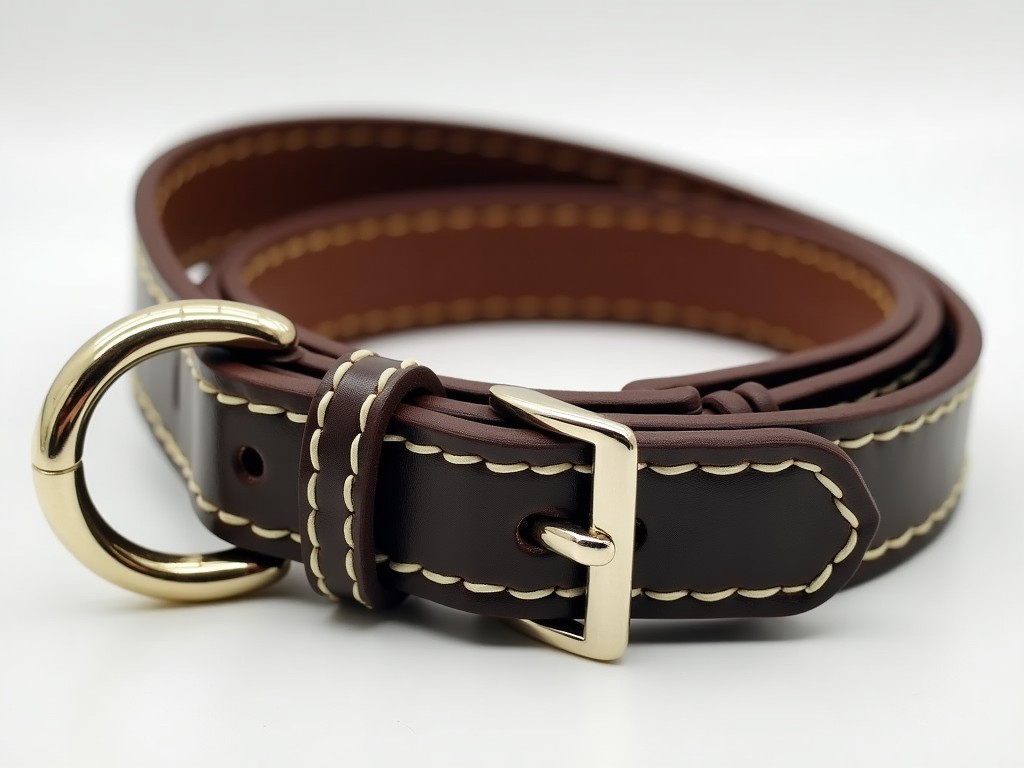
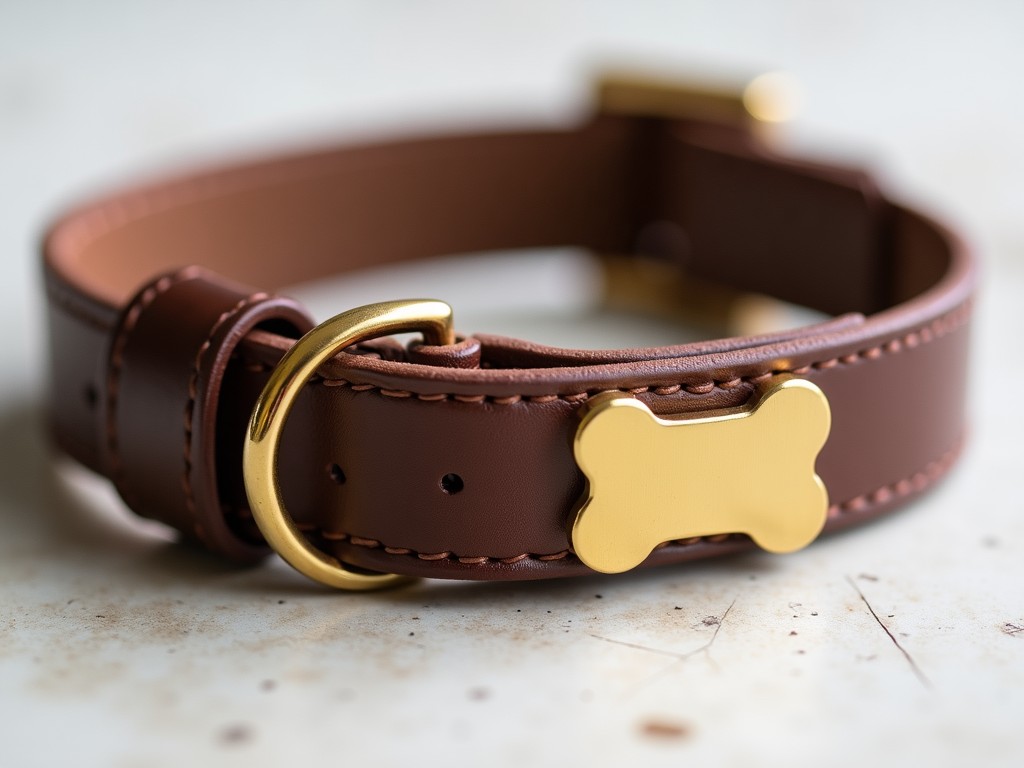
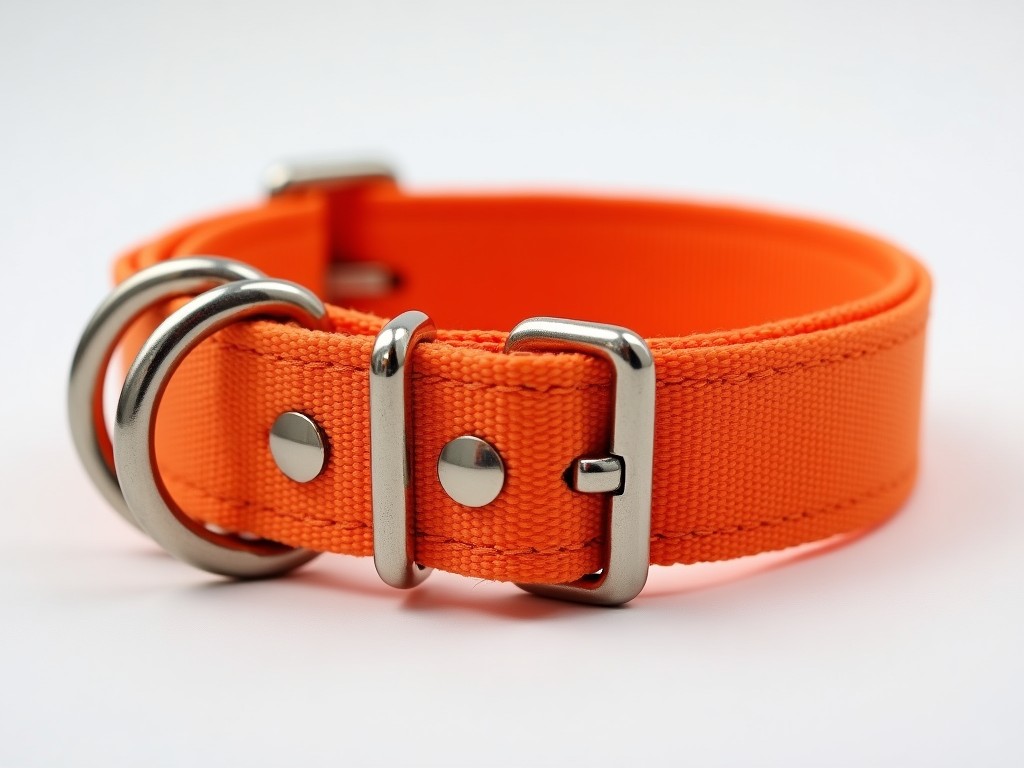
China Prong Dog Training Collar
Industrial-Grade Prong Training Collars: Technical Specifications and Manufacturing Standards
Prong training collars, frequently categorized in technical manuals as pinch collars, utilize a mechanical design engineered to distribute pressure across the cervical region of a canine. Unlike traditional flat collars that concentrate force on the trachea, these devices employ a series of metal prongs to apply tension evenly over a broader surface area. This mechanical advantage facilitates high-precision control during high-tension scenarios, reducing the risk of localized injury while maintaining clear communication channels.
In industrial-scale procurement, these collars are evaluated based on their tensile strength and the corrosion resistance of the materials. Manufacturing processes focus on high-grade alloys to ensure that the hardware withstands repeated mechanical under stress and environmental exposure. For OEM partners and distributors, understanding the metallurgy and the geometry of the prong links is critical for ensuring long-term product reliability.
Technical Specifications and Material Composition
| Parameter | Typical Values / Standards | Engineering Note |
|---|---|---|
| Primary Material | 304 Stainless Steel / Brass | High oxidation resistance. |
| Prong Diameter | 2.5mm - 4.0mm | Affects pressure distribution. |
| Link Thickness | 1.5mm - 2.5mm | Determines tensile limit. |
| Closure Mechanism | Double-lock Safety Cleat | Prevents accidental release. |
| Finish Options | Chrome-plated / Matte / Natural | Enhances surface hardness. |
The structural integrity of the links depends on the cold-drawing process used during manufacturing. This process increases the yield strength of the metal, ensuring the collar does not deform under sudden loads. Procurement officers should specify 304-grade steel for environments with high humidity or saline exposure to prevent pitting and degradation over time.
Manufacturing Process and Quality Control
Production begins with the selection of raw wire stock that meets specific metallurgical standards. Each link is precision-formed to ensure that the prongs are aligned with a uniform curvature. After forming, the components undergo a de-burring process to eliminate stress-concentration points that could lead to metal fatigue under cyclic loading.
Quality control protocols involve tension testing on random samples from each batch. These tests apply calibrated loads to verify that the safety factor exceeds standard operational requirements for large breeds. Furthermore, electroplating layers are applied in controlled environments to provide a consistent protective barrier, enhancing the aesthetic and durability of the final product.
Technical Applications and Use Cases
These collars are primarily utilized in professional environments where immediate tactile feedback is required for safety. The mechanical design allows trainers to manage high-drive animals with minimal physical exertion, which is vital during extended sessions.
- Service Dog Training: Providing precise corrections in high-distraction urban environments.
- Protection Work: Managing high-strength working dogs where equipment durability is paramount.
- Obedience Schools: Establishing clear boundaries for large-breed management where standard collars may be ineffective.
Customization Options for OEM Buyers
Manufacturing facilities offer various customization parameters to meet specific branding or functional requirements. This can include laser-engraved logos on the links or custom-colored powder coated hardware.
- Custom Lengths: Tailored sizing for specific breed anatomical requirements.
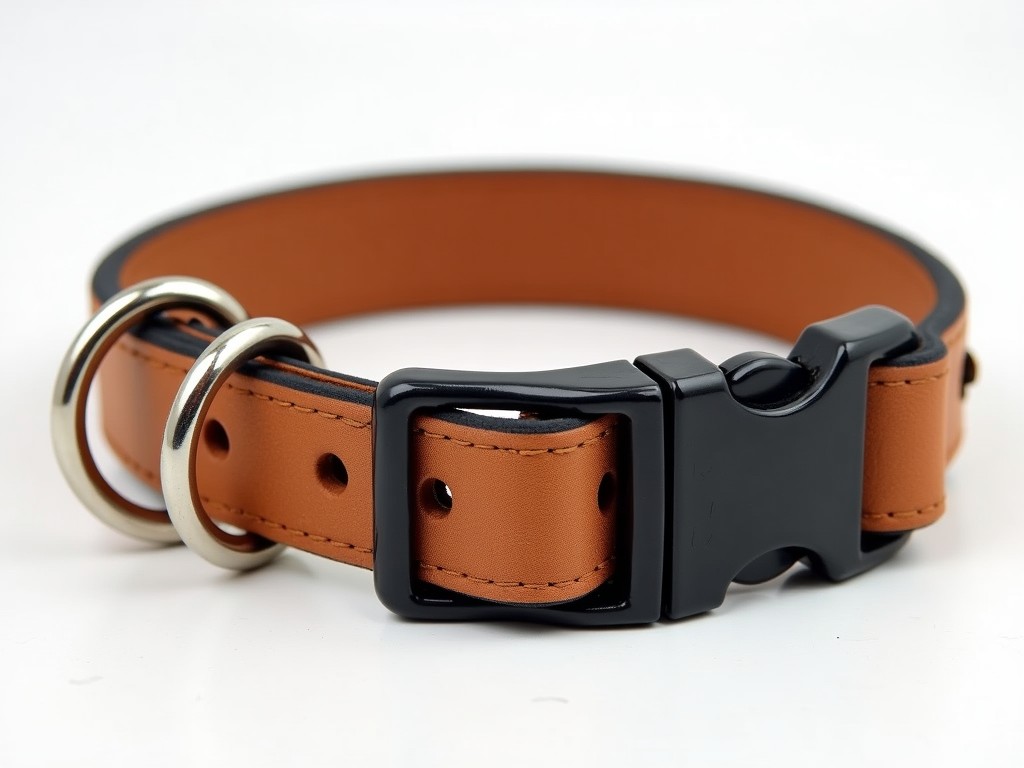
- Hardware Integration: Optional D-ring configurations for specific leash compatibility.
- Bulk Packaging: Industrial-grade poly-bagging or retail-ready blister packs for distribution.
Technical FAQs
What is the difference between stainless steel and brass prongs?
304 stainless steel offers superior corrosion resistance and tensile strength compared to brass. Brass is softer and hypoallergenic for some, but more prone to surface wear over time.
Can the dimensions be customized for bulk orders?
Yes, link diameter and prong thickness can be adjusted during the tooling phase to meet specific load-bearing requirements.
What is the typical production lead time for OEM orders?
Lead times generally range from 30 to 45 days depending on order volume and the complexity of the requested finishes or customizations.
For technical data sheets, material certifications, or to request a bulk quotation, please contact our engineering team.
Inquire About Technical Specifications