China Printed Dog Collar For Dogs
China Printed Dog Collar for Dogs: Industrial Manufacturing and Material Specifications
Manufacturing printed dog collars in China has transitioned from simple accessory production to a specialized branch of textile engineering. For procurement managers and OEM distributors, selecting the right collar requires an understanding of polymer tensile strength, abrasion resistance, and the chemical bonding involved in various printing methods. Modern facilities utilize high-precision weaving looms to ensure that the printed substrate remains intact under significant mechanical stress, maintaining structural integrity during prolonged outdoor use.
Industrial-grade production focuses on the interface between the base fabric and the ink layer. While standard consumer-grade products may prioritize aesthetics, technical-spec printed collars focus on colorfastness and the prevention of UV degradation. This technical overview outlines the material science and manufacturing processes that define high-performance printed collars today.
Material Selection and Durability Factors
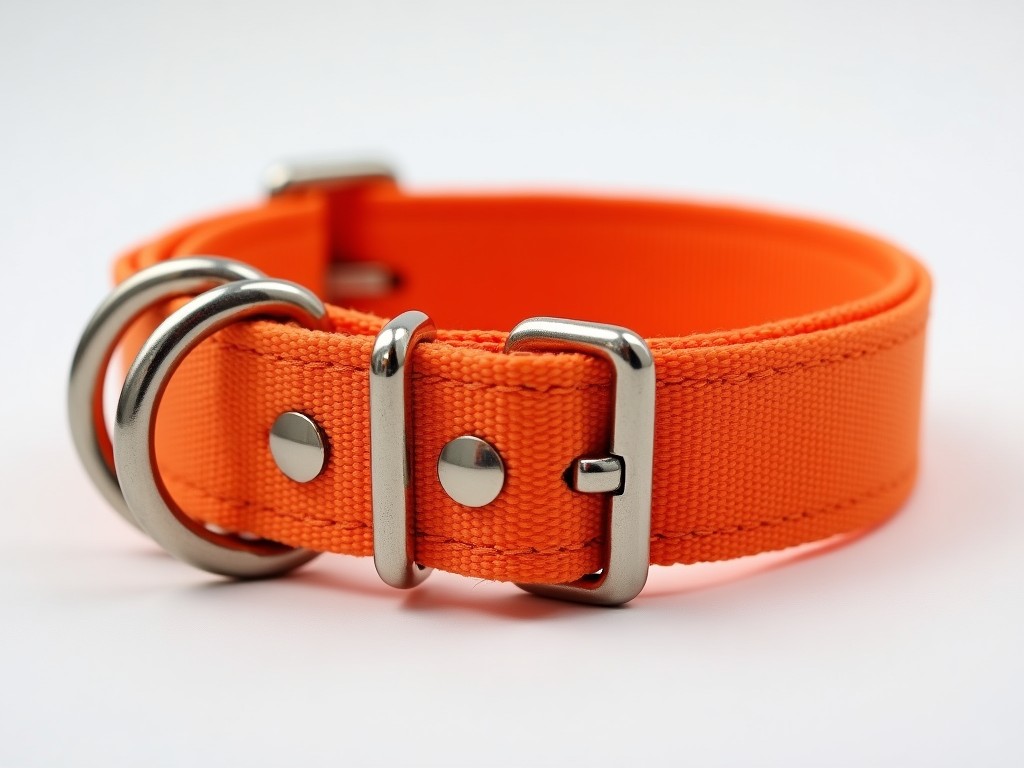
Nylon 6/6 is the most common material for high-performance applications due to its superior strength-to-weight ratio and elasticity. It absorbs shock effectively without snapping, which is critical for collars on large, active breeds. Conversely, polyester-based webbing is often specified for environments where UV exposure is high, as polyester fibers exhibit greater resistance to photodegradation compared to nylon.
Silicone-coated printed collars represent a niche segment for hypoallergenic requirements. These materials provide a non-porous surface that prevents the accumulation of dirt and bacteria within the weave, making them easier to sanitize. However, the choice between these materials depends on the specific load requirements and environmental conditions the end-user faces.
- Nylon 6/6: High tensile strength and shock absorption capabilities.
- Polyester: Excellent UV resistance and dimensional stability.
- Silicone: Waterproof properties and hypoallergenic surface for skin-sensitive applications.
Printing Technologies and Ink Bonding
Sublimation printing is the industry standard for high-durability collars. In this process, ink is turned into a gas and bonded to the synthetic fibers under high heat. Because the ink becomes part of the fabric itself, the design will not crack, peel, or flake even after repeated washing cycles or mechanical abrasion.
Screen printing is utilized for designs requiring opaque, vibrant colors on darker fabrics. This method involves laying a layer of ink on the surface, which provides high contrast but may be more susceptible to abrasion over time compared to sublimation. Digital inkjet printing is increasingly used for low-volume OEM orders where complex photographic gradients are required without the cost of multiple screen setups.
Technical Specifications and Standards
| Parameter | Typical Values | Testing Method |
|---|---|---|
| Tensile Strength (20mm width) | 400kg - 700kg | ISO 10352 |
| Abrasion Resistance | Grade 4-5 | ASTM D4966 |
| Colorfastness (Washing) | Grade 4+ | ISO 105-C06 |
| UV Resistance | Delta E < 3 | Xen Arcometer Testing |
Customization Options for OEM Production
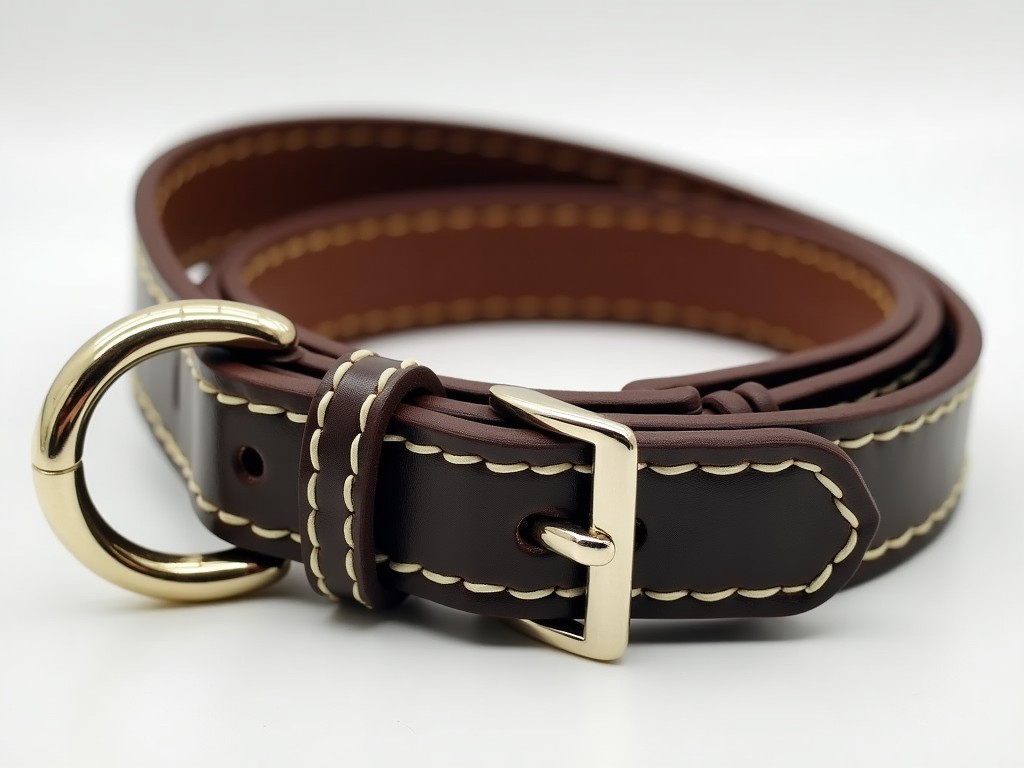
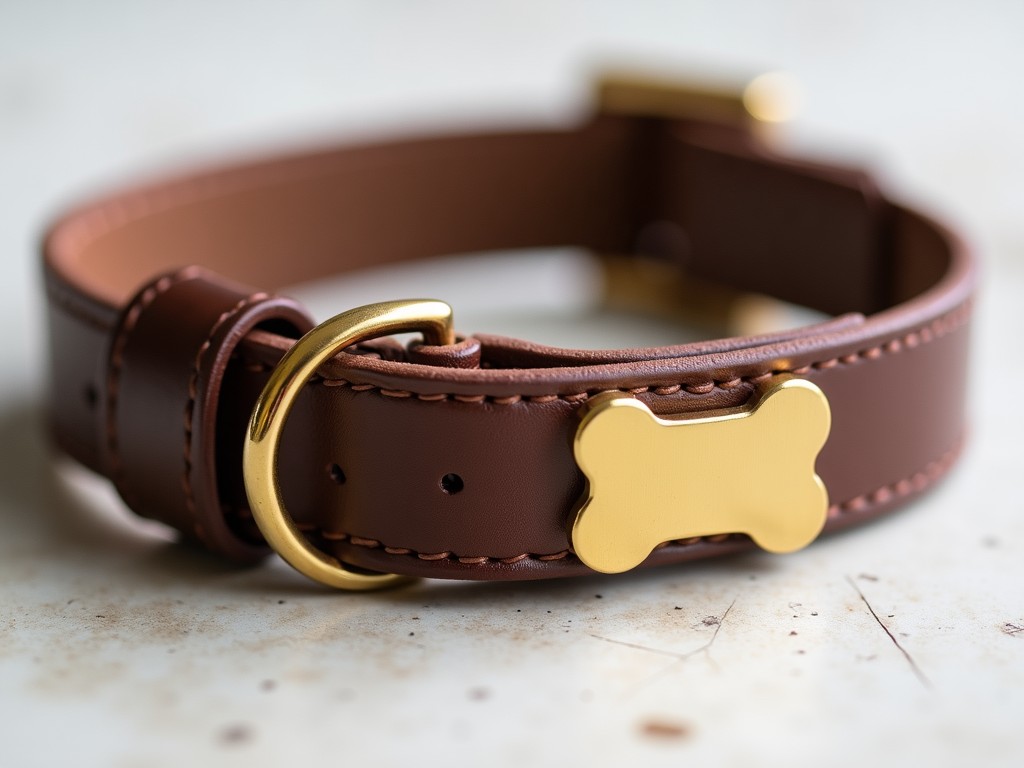
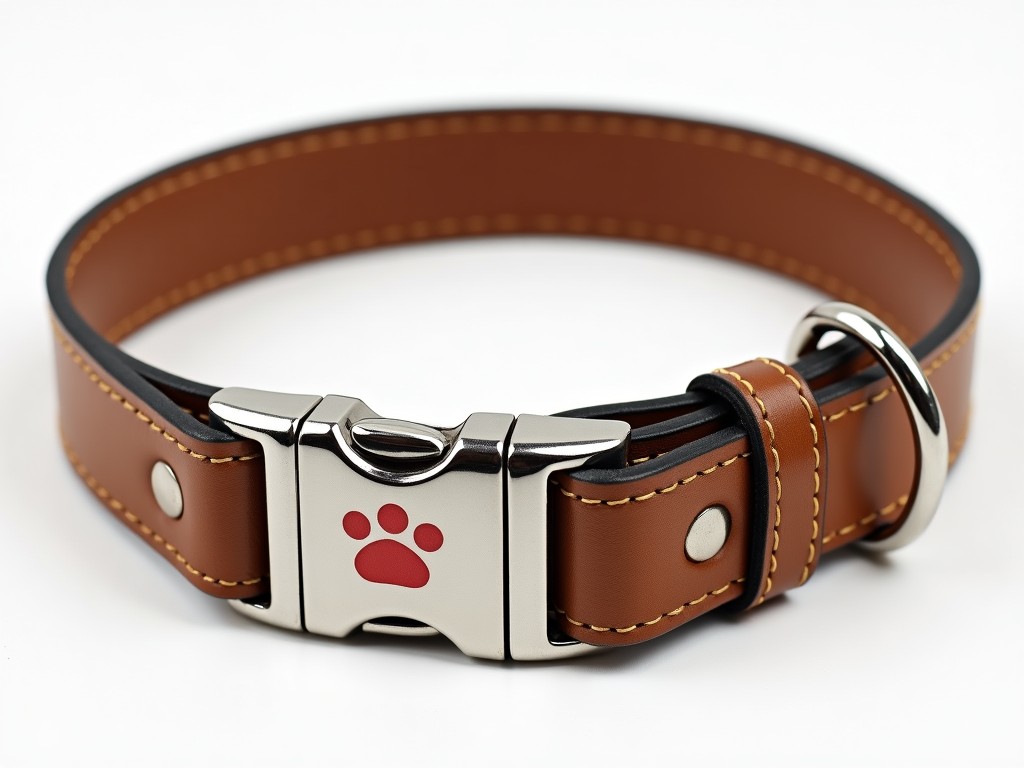
OEM production allows for granular levels of customization regarding the hardware and structural components. Standard widths typically range from 12mm for small breeds to 50mm for heavy-duty working dogs. Hardware selection often involves high-density acetal (plastic) for lightweight applications or zinc alloy buckles for maximum load-bearing capacity.
Stitching density is another critical factor that determines product longevity. Industrial-grade collars utilize 8 to 10 stitches per inch to ensure the webbing does not fray at the buckle-attachment points. Additionally, the integration of reflective threads can be woven during the manufacturing process to enhance safety for visibility in low-light environments.
Quality Control and Testing Protocols
Quality assurance begins with the raw material inspection. Weaving yarns are tested for consistency consistency and dye uptake before the printing process begins. Once the collars are printed, finished batches undergo a pull-test to verify that the hardware and stitching meet the rated tensile strength without catastrophic failure.
Chemical safety is also addressed by ensuring that inks used do not contain restricted heavy metals or phthalates, complying with international standards like REACH or CPSIA. This ensures that the product is safe for prolonged contact with animal skin and does not cause irritation or toxicity.
Frequently Asked Questions
What is the minimum order quantity (MOQ) for custom printed designs?
MOQs typically range from 100 to 500 units depending on the printing method and the complexity of the hardware requirements.
Can the printed designs fade after machine washing?
Sublimation-printed collars use ink that bonds to the fiber, which is designed to withstand hundreds of wash cycles without significant color loss.
Do you provide custom hardware with logo branding?
Yes, we can integrate laser-etched metal buckles or molded-plastic quick-release buckles based on client design specifications.
Are you looking to source technical printed dog collars for your product line?
Request a Technical Quotation and Samples