China Fabric Dog Collar With Name Supplier
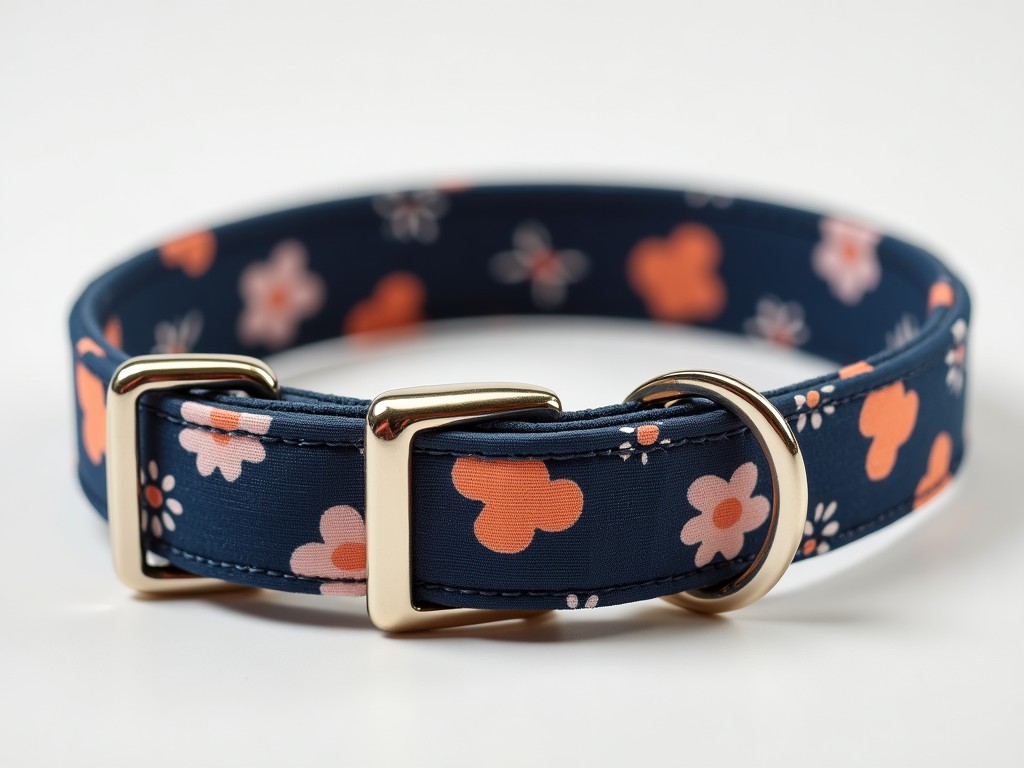
China Fabric Dog Collar with Name Supplier Technical Overview
Sourcing fabric dog collars from Chinese manufacturing hubs requires a technical understanding of textile specifications, hardware integrity, and customization durability. For OEM brands and distributors, the focus shifts from simple aesthetic appeal to the mechanical properties of the webbing and the longevity of the customized name-identification methods. This overview outlines the engineering standards and quality control protocols typically employed in high-grade fabric collar production for the global market.
Material Specifications and Textile Engineering
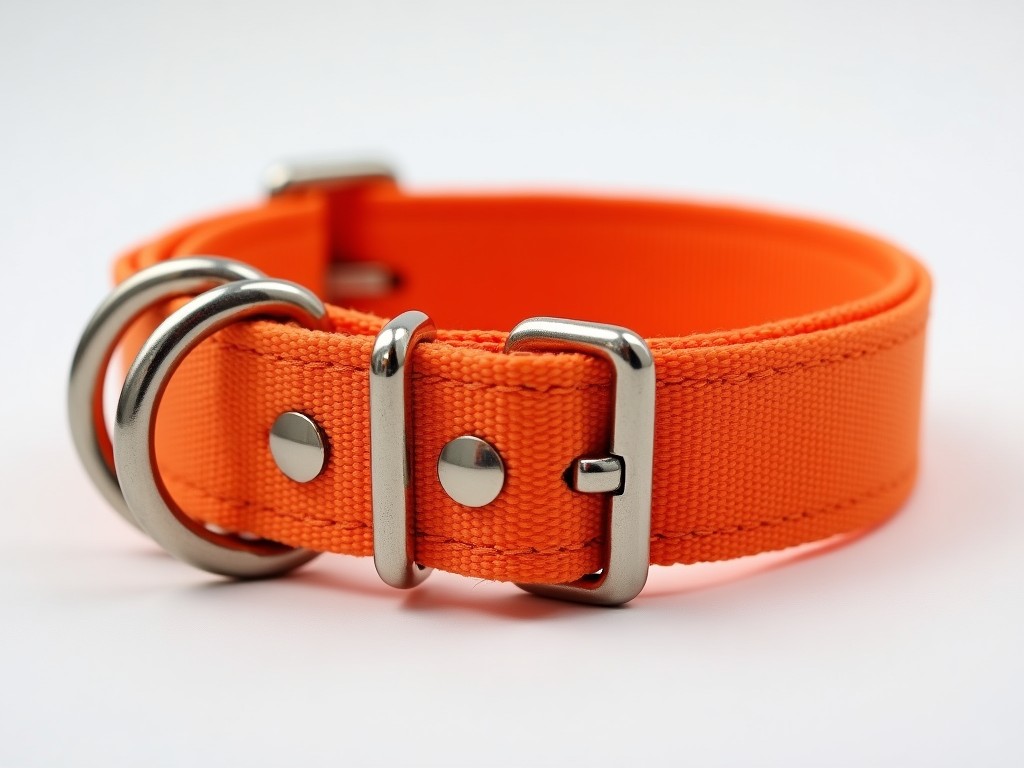
The base material of a collar determines its performance under tension and its resistance to environmental degradation. Nylon webbing is the most common choice due to its high strength-to-weight ratio, often available in 600D or 1000D denier variants. Polyester offers an alternative for applications requiring superior UV resistance and moisture management, as the fibers do not absorb water as readily as natural nylon fibers.
Cotton-based fabrics are utilized in premium lifestyle lines where tactile softness is prioritized, though they possess lower tensile strength compared to synthetic polymers. Manufacturers evaluate the weave density—such as plain weave or twill—to ensure the collar resists fraying under repeated mechanical stress. Each edge of the fabric is typically heat-sealed or ultrasonically cut during assembly to prevent structural failure over long-term use.
- Nylon Webbing: High abrasion resistance and elastic properties; ideal for high-activity breeds.
- Polyester Webbing: Excellent color retention and low stretch; resists fading in direct sunlight.
- Cotton Webbing: Breathable and hypoallergenic; best suited for low-impact domestic use.
Customization Techniques for Name Identification
Integrating a name onto a fabric collar involves three primary industrial methods: embroidery, heat-transfer printing, and high-density screen printing. Embroidery utilizes polyester thread stitched through the webbing, creating a raised texture that is virtually impossible to rub off. The stitch count per square centimeter determines the legibility and the structural integrity of the name-tag area.
Heat transfer printing is often used for complex multi-color logos where thin films are bonded to the fiber surface using heat. However, the bond strength must be tested to ensure no delamination during machine washing or high-speed friction. For high-volume industrial orders, screen printing with plastisol inks often provides a durable, flat finish that remains flexible with the fabric.
| Material Type | Primary Property | Durability Factor | Industrial Application |
|---|---|---|---|
| Nylon (1000D) | High Tensile Strength | Abrasion Resistant | Heavy-duty work collars |
| Polyester | UV Stability | Low Water Absorption | Outdoor/Adventure gear |
| Zinc Alloy Hardware | Corrosion Resistance | Rust-proof | Standard D-ring attachments |
Hardware Integrity and Load Testing
The failure point of a dog collar is often at the hardware-fabric interface. Professional-grade suppliers utilize die-cast zinc alloy or stainless steel for D-rings and buckles to ensure they can withstand sudden loads. Quick-release buckles are evaluated for their locking mechanism reliability, ensuring the spring tension is sufficient to prevent accidental release under tension.
Box-stitching is a critical assembly requirement. Instead of a straight line, a cross-hatched stitch pattern distributes the load across a larger area of the webbing, preventing the thread from shearing. Industrial-standard collars should withstand a minimum pull force, often exceeding 500kg, depending on the collar width and material thickness.
Quality Assurance and Procurement Logistics
Quality control in a Chinese manufacturing context involves multi-stage inspections. This includes color-fastness testing to ensure the name or pattern does not bleed onto the pet's fur when wet. Manufacturers also perform pull tests on random samples from each batch to verify that the technical specifications met in the purchase order are met.
Logistics considerations should account for Minimum Order Quantities (MOQ) for customized items. Custom embroidery typically requires higher MOQs than blank stock due to machine setup times. Shipping lead times generally range from 15 to 45 days depending on the complexity of the customization and the production volume.
Frequently Asked Questions
What is the typical MOQ for customized fabric name collars?
MOQs for embroidered collars range from 100 to 500 units per color/design, while screen-printed options may have different thresholds depending on the screen setup.
How is the durability of the embroidery tested?
Embroidery is tested via abrasion resistance and wash-fastness cycles to ensure the threads do not fray or fade under standard use.
Are hardware options available for marine environments?
Yes, stainless steel hardware (304 or 316 grade) can be specified to prevent corrosion in salt-water environments.
Request technical specifications or a bulk quotation.
Contact our engineering department to discuss material data sheets and customization capabilities for your OEM project.
Inquire for Quote