China Embroidered Fabric Dog Collar Supplier
China Embroidered Fabric Dog Collar Supplier
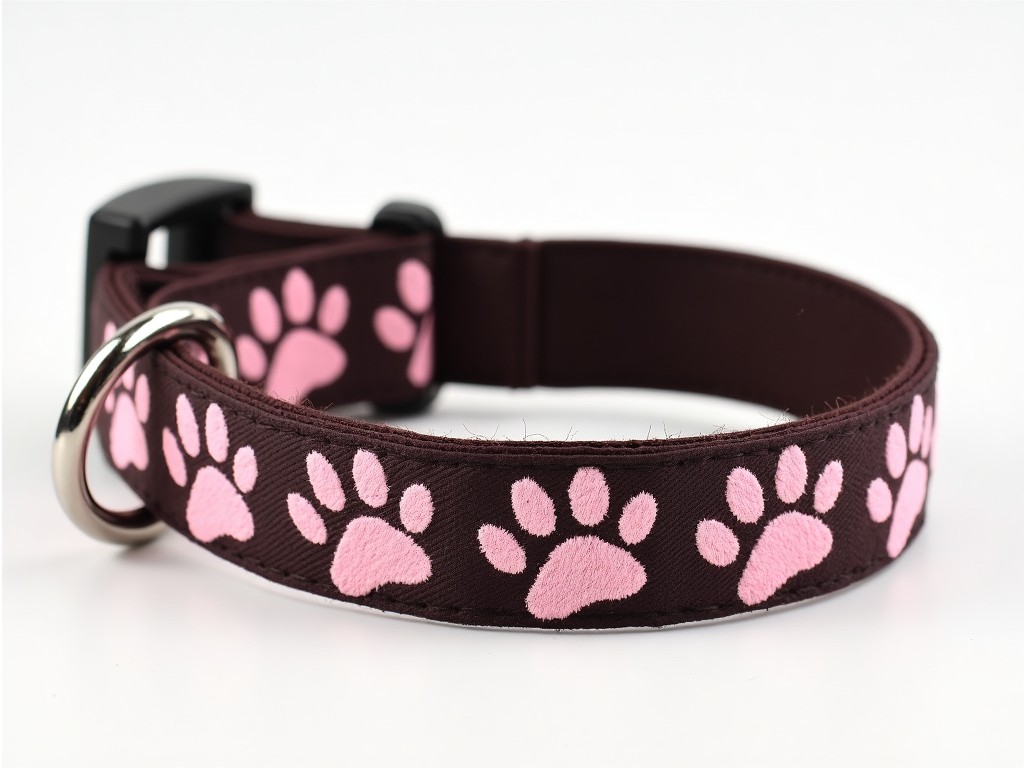
The production of embroidered fabric dog collars requires a precise balance between textile durability and high-density stitch-work aesthetic reinforcement. Unlike standard printed webbing, embroidered collars utilize a reinforced base substrate—typically high-tenacity nylon or polyester—upon which intricate patterns are integrated using computerized embroidery machinery. This process ensures that the design remains intact even under significant mechanical stress and environmental exposure, making it a preference for premium-grade pet accessories.
Material Selection and Durability Analysis
Selecting the correct base material determines the collar's performance under load-bearing conditions. Industrial-grade nylon is frequently utilized for its high strength-to-weight ratio and inherent resistance to moisture-induced degradation. Conversely, polyester-based fabrics offer superior UV resistance and color-fastness, which is critical for products intended for long-term outdoor use in direct sunlight.
The interface between the embroidery thread and the base fabric is a critical point of potential failure. To mitigate this risk, manufacturing processes employ high-density stitch patterns that lock the threads into the weave of the webbing. This structural integration prevents fraying and ensures that the embroidered design does not delaminate when subjected to repetitive tensile forces exerted by large animals.
Embroidery Techniques and Customization Capabilities
Computerized embroidery allows for the execution of multi-color designs with precision that traditional printing cannot replicate. Suppliers utilize multi-head embroidery machines to produce consistent logos, branding, or complex patterns across large production runs. The choice of thread—typically between rayon for high-sheen and softness or polyester for maximum abrasion resistance—impact the final product specifications.
- Stitch Density: Higher counts (stitches per centimeter) provide a more textured feel and durable surface layer.
- Thread Count: Multi-layered embroidery allows for three-dimensional effects without adding excessive bulk.
- Width Compatibility: Standard widths range from 15mm for small breeds to 50mm for heavy-duty requirements.
- Edge Reinforcement: Options for edge-stitching to prevent unraveling at the collar boundaries.
Technical Specifications
| Feature | Typical Specification | Customizable |
|---|---|---|
| Base Substrate | Nylon, Polyester, Cotton Blend | Yes |
| Tensile Strength | 500N - 1500N (depending on width) | Yes |
| Embroidery Thread | Rayon, Polyester | Yes |
| Collar Width | 15mm, 20mm, 25mm, 38mm, 50mm | Yes |
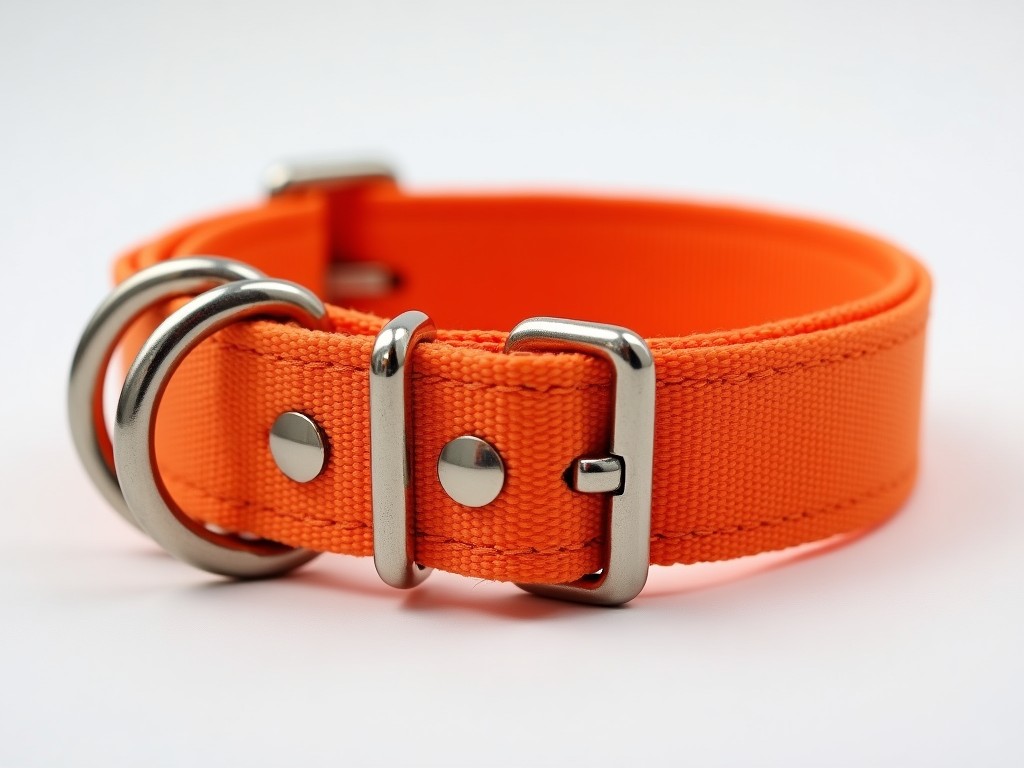
| Hardware Integration | Zinc Alloy, Stainless Steel, ABS Plastic | Yes |
Quality Control and Testing Standards
Rigorous quality control protocols are essential to ensure embroidered collars meet safety standards for international distribution. Testing begins with tensile pull tests to ensure the fabric and hardware attachment can withstand the rated load without structural failure. We also evaluate the abrasion resistance of the embroidery to ensure the threads do not snag or break during heavy mechanical use.
Colorfastness testing is another critical metric, evaluating how the dyes and threads react to water exposure and UV radiation. This ensures that the branding or aesthetic patterns remain vibrant throughout the product's life cycle. Each batch undergoes a visual inspection to check for stitch tension, alignment, and any defects in the base material weave before final assembly occurs.
Applications and Logistics
Embroidered fabric collars are widely utilized in the retail market where brand identity and aesthetics are paramount. For OEM manufacturers, these collars allow for the seamless integration of corporate logos directly into the product structure, increasing the perceived value. In high-performance working environments, the reinforced embroidery provides an extra layer of protection against wear and tear that printed collars cannot offer.
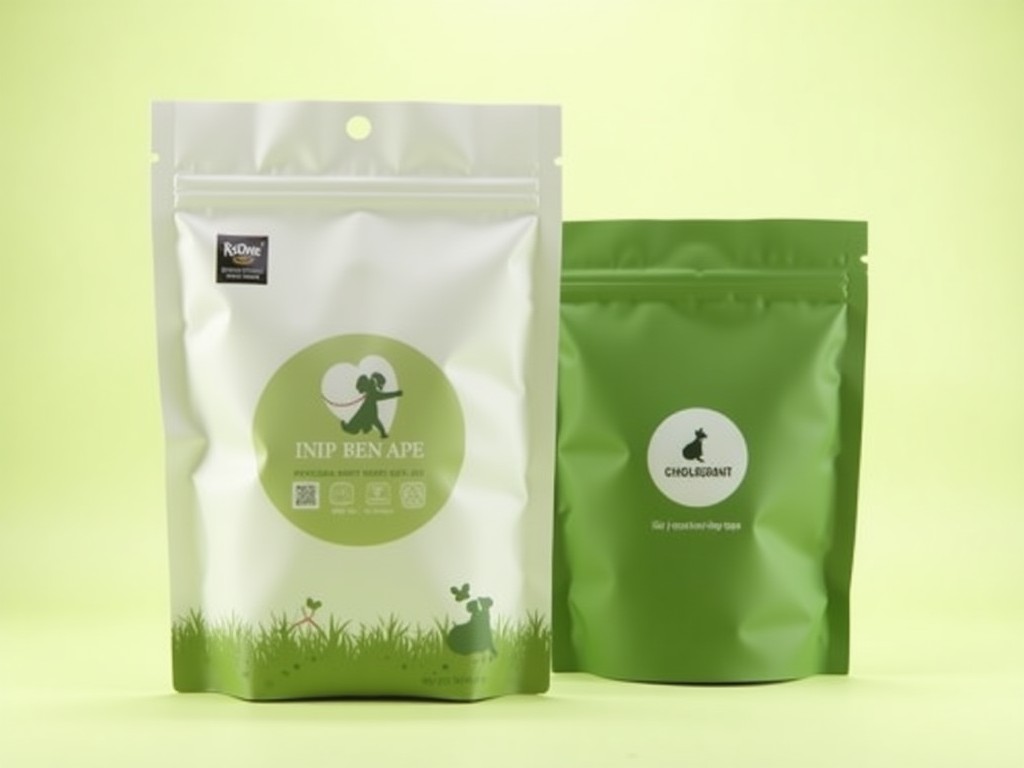
Logistics for bulk-scale orders involve structured packaging to prevent crushing during transit. This includes individual poly-wrapping and master carton reinforcement to maintain the integrity of the embroidered surface. Production lead times are typically determined by the complexity of the embroidery design and the total volume, with samples available for technical validation before mass production begins.
Are you seeking technical specifications for a custom embroidered fabric dog collar project?
Request Technical Quotation and Samples