Cheap Custom Designer Dog Collars Manufacturer
Cheap Custom Designer Dog Collars Manufacturer
Scaling custom-designed dog collars for mass distribution requires a precise balance between aesthetic requirements and structural integrity. Manufacturers focusing on cost-efficiency utilize automated production lines to reduce per-unit costs without compromising the tensile strength required for pet safety. This process involves optimizing material sourcing and streamlining the assembly workflow to meet high-volume procurement cycles.
Engineering Logic for High-Volume Custom Production
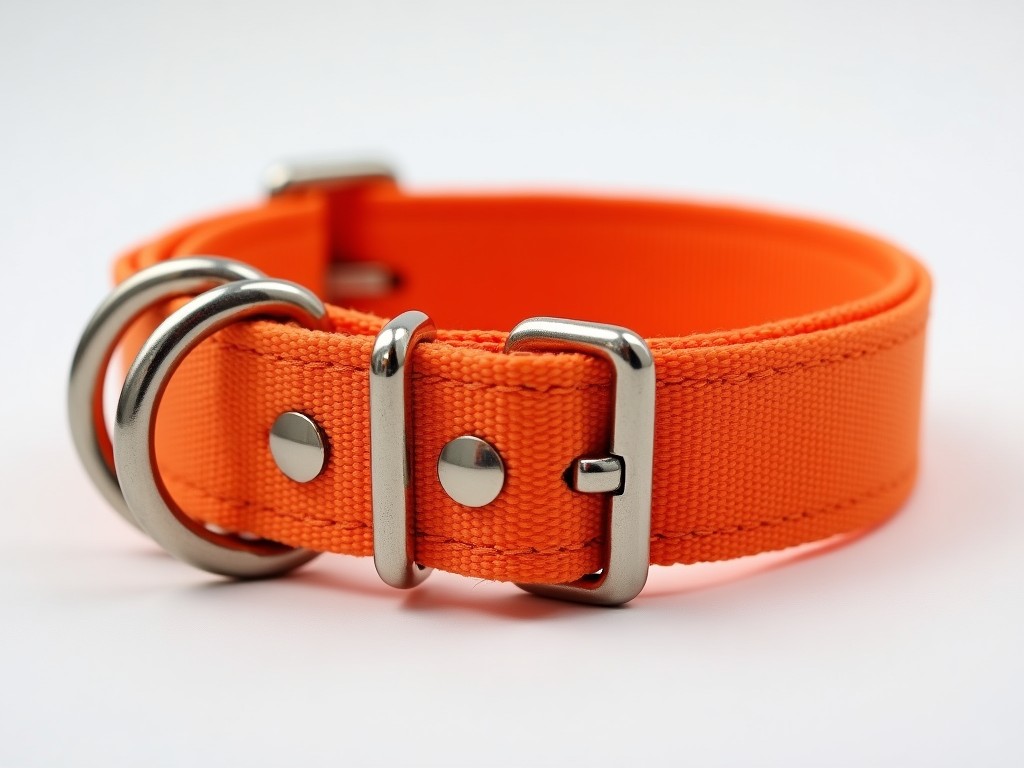
Economical manufacturing starts with the selection of materials that minimize waste during the cutting phase. By utilizing high-density nylon webbing and precision ultrasonic cutting technology, facilities can achieve consistent tolerances across thousands of units faster than manual labor. This technical approach ensures that the "designer" aspect of the product does not introduce structural variance or unpredictable performance.
Standardizing hardware components across different design lines further reduces the cost of inventory. Using universal zinc-alloy buckles with powder-coated finishes allows for a variety of aesthetic options while maintaining the necessary load-bearing capacity for commercial or retail-grade products.
Material Selection and Tensile Specifications
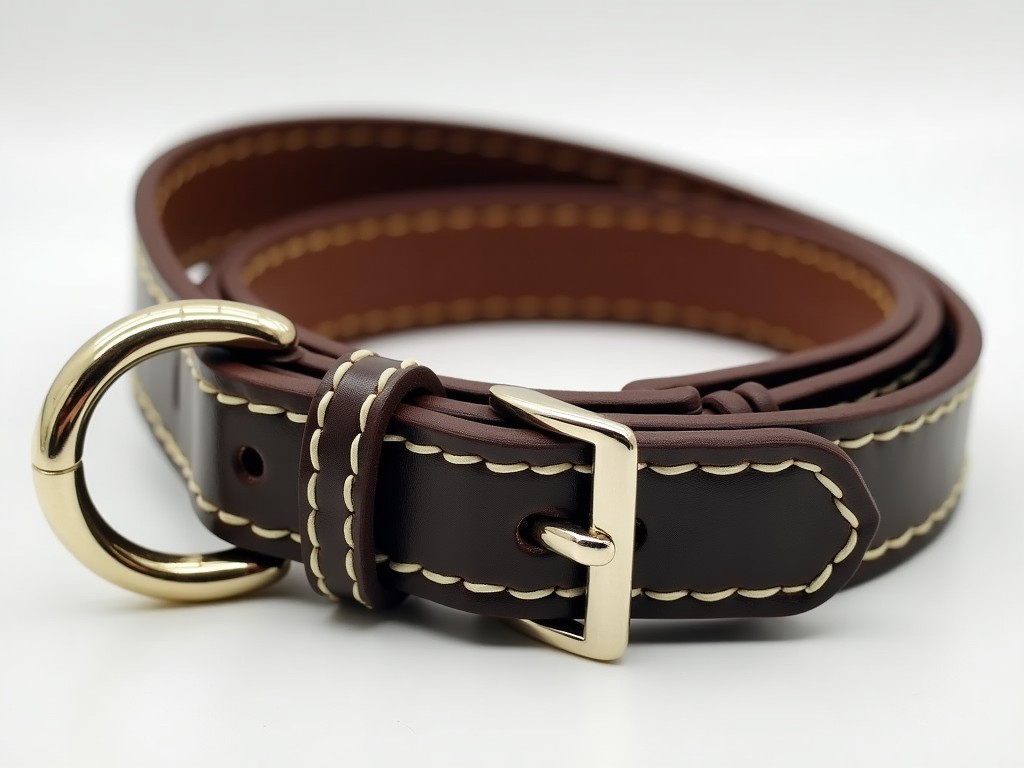
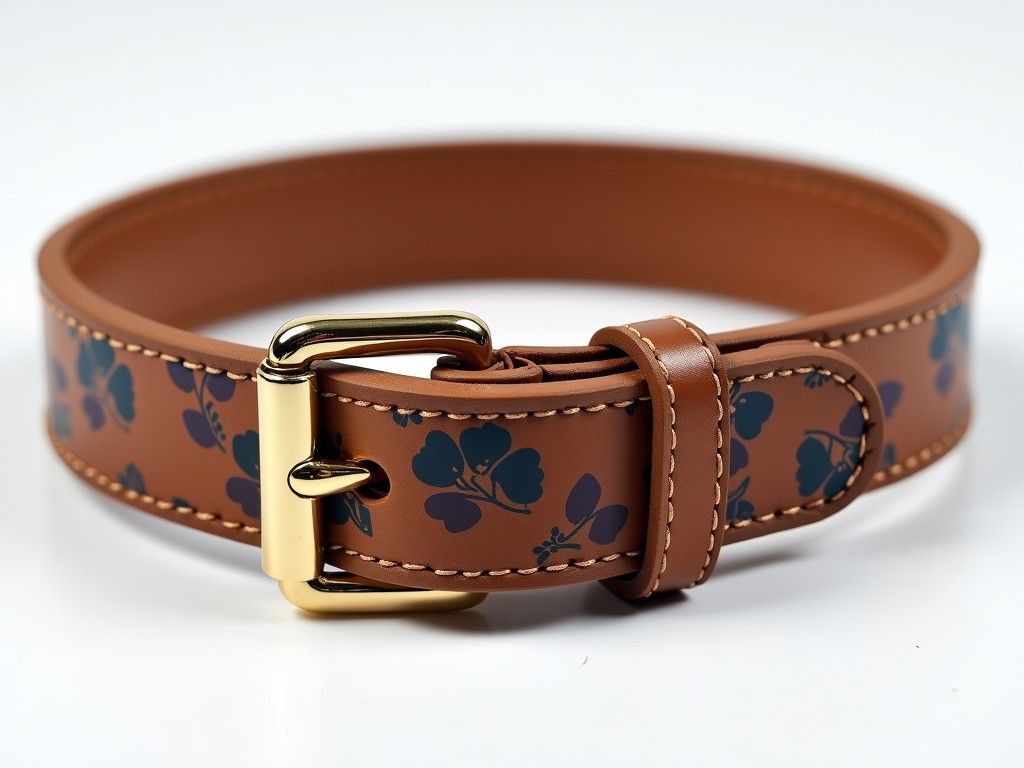
The choice of substrate dictates the collar's lifespan and resistance to environmental stressors. High-tenacity nylon is the industry standard for high-volume orders due to its exceptional abrasion resistance and low material cost. For designs requiring a premium aesthetic, synthetic polyurethane (PU) leather offers a durable alternative that maintains a significantly lower price point than genuine bovine hides.
Tensile strength is measured by the force the collar can withstand before failure, typically ranging from 200kg to 500kg depending on webbing width and stitch density. Reinforcement through bar-tack stitching at high-stress points ensures load is distributed evenly, preventing seam failure under sudden tension.
Customization Options and Branding Integration
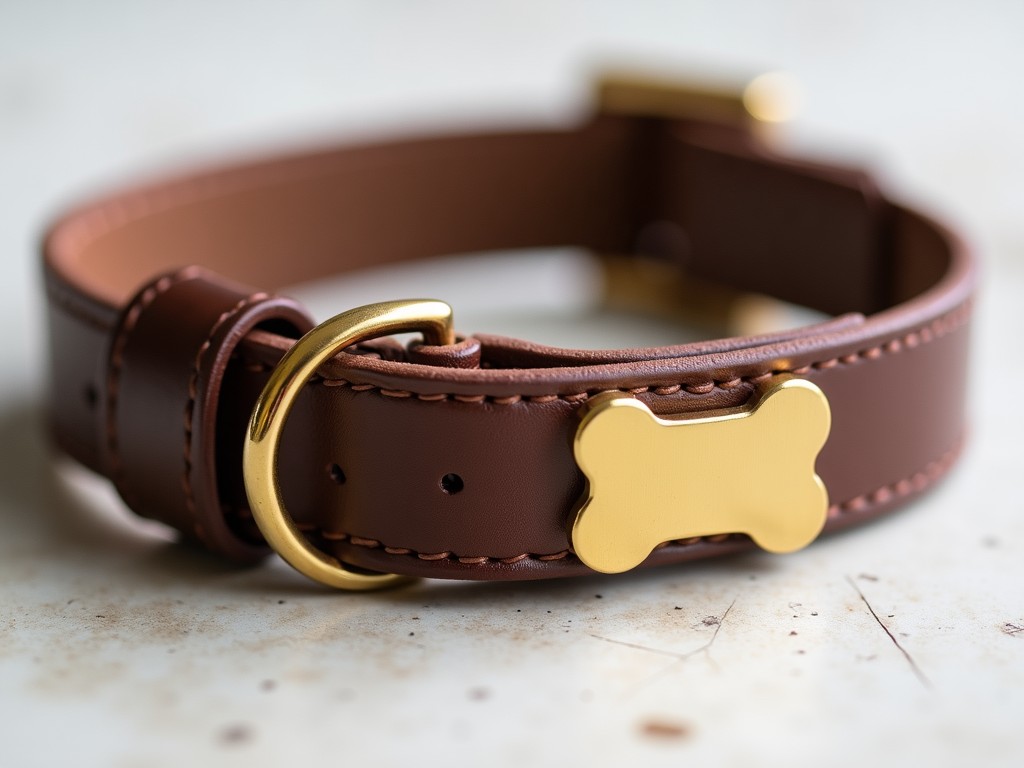
Branding is achieved through several industrial methods, each offering different durability and cost-profiles. Silk-screen printing is cost-effective for single-color logos, while sublimation printing allows for full-color, complex designs that are fused directly into the fibers of the webbing to prevent peeling. For more high-end designer lines, laser engraving can be applied to metal hardware to provide permanent non-fade branding.
Customization logic must also account for the physical properties of the chosen material. For instance, heat-transfer labels adhere differently to PU leather than they do to nylon, necessitating specific adhesive formulations to ensure long-term brand retention.
Manufacturing Workflow and Quality Control Protocols
The production sequence begins with raw material inspection to verify for weave inconsistencies or coating defects. Once validated, the materials are cut according to digital specifications, ensuring every collar is identical in dimension. The assembly phase utilizes industrial sewing machines that maintain a consistent stitches per inch (SPI), which is a critical factor in determining seam strength.
Quality control protocols involve random batch testing where samples are subjected to pull-tests and hardware friction checks. These data-driven inspections ensure that every shipment meets the safety standards required by the OEM or distributor.
Comparison Matrix for Procurement
| Material Type | Tensile Strength | Cost Index | Primary Application |
|---|---|---|---|
| High-Density Nylon | 400kg - 600kg | Low | Mass Retail/Utility |
| PU Leather | 150kg - 250kg | Medium | Designer/Fashion |
| Polyester Webbing | 250kg - 400kg | Very-Low | Promotional Items |
Inquiry for Bulk Custom Orders
Procurement managers requiring technical specification sheets or volume pricing should contact the engineering department for a detailed project analysis. Providing specific design files and required material tolerances allows for more accurate quotation and lead-time estimation for custom production runs.
Ready to discuss your custom production line?
Request a technical consultation and bulk quote →