B2B Heavy Duty Tactical Dog Collar Supplier
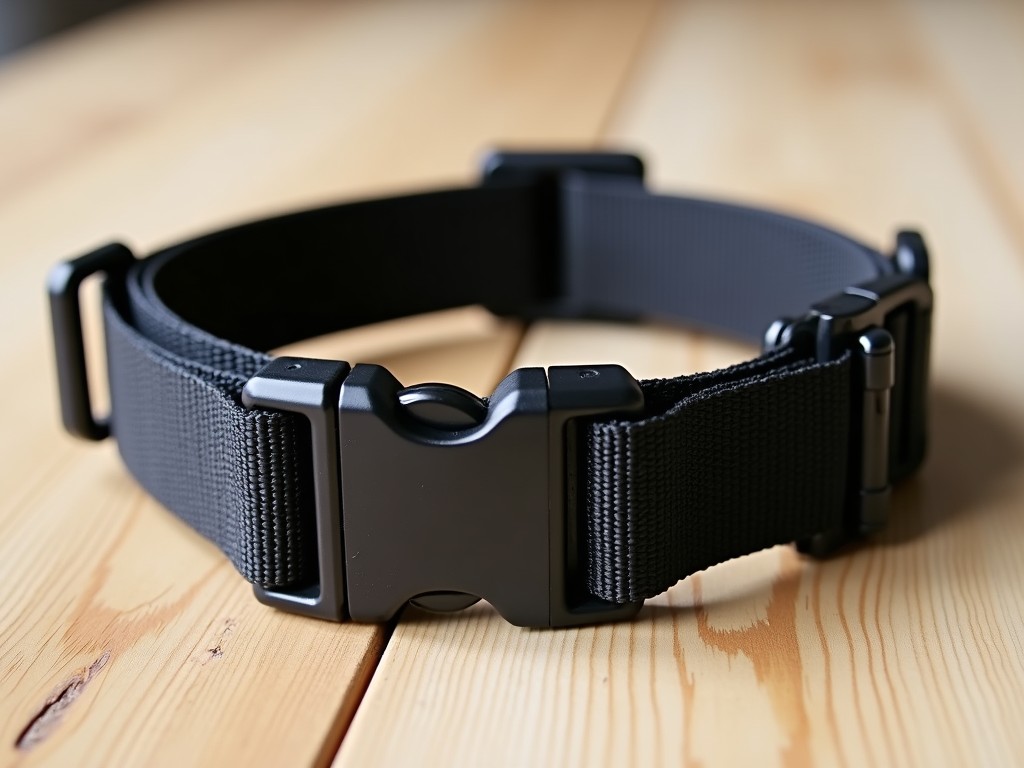
Heavy Duty Tactical Dog Collar Supplier
Procurement of tactical equipment for working dogs in security, search and rescue, and specialized military operations requires a shift from aesthetic design to mechanical reliability and material science. Heavy-duty tactical collars are engineered to withstand significant mechanical stress, environmental exposure, and high-impact scenarios without compromising structural integrity.
Industrial-grade collars prioritize tensile strength, abrasion resistance, and hardware locking security. As a B2B supplier, the focus remains on providing technical specifications that allow procurement managers to ensure the equipment performs predictably under extreme field conditions.
Material Science and Structural Integrity
The primary component of a high-performance tactical collar is typically 1000D nylon webbing. This material is selected for its high strength-to-weight ratio and its inherent resistance to UV degradation, which is critical for equipment used outdoors. Unlike standard-grade nylon, industrial-grade webbing features a tighter weave that prevents fraying when the outer fibers are compromised.
Integration of the MOLLE (Modular Load-carrying Equipment Equipment) system allows for modular configurations, enabling users to attach specialized gear such as pouches, hydration tubes, or ID tags directly to the collar harness. This versatility is essential for tactical units that require gear to be adapted quickly to specific mission profiles.
- Abrasion Resistance: Reinforced fibers resist tearing against concrete or sharp rock surfaces.
- Hydrophobic Properties: Synthetic fibers prevent water absorption, ensuring the collar does not become heavy or heavy when wet.
- Thermal Stability: Materials maintain flexibility in sub-zero temperatures and high-heat environments.
Hardware Engineering and Attachment Systems
Hardware represents the most common point of failure in dog collar systems. Industrial-grade collars utilize CNC-machined zinc alloys or 316 stainless steel to ensure corrosion resistance and mechanical load capacity. These components are subjected to stress testing to ensure they do not deform or fail under high-tension maneuvers.
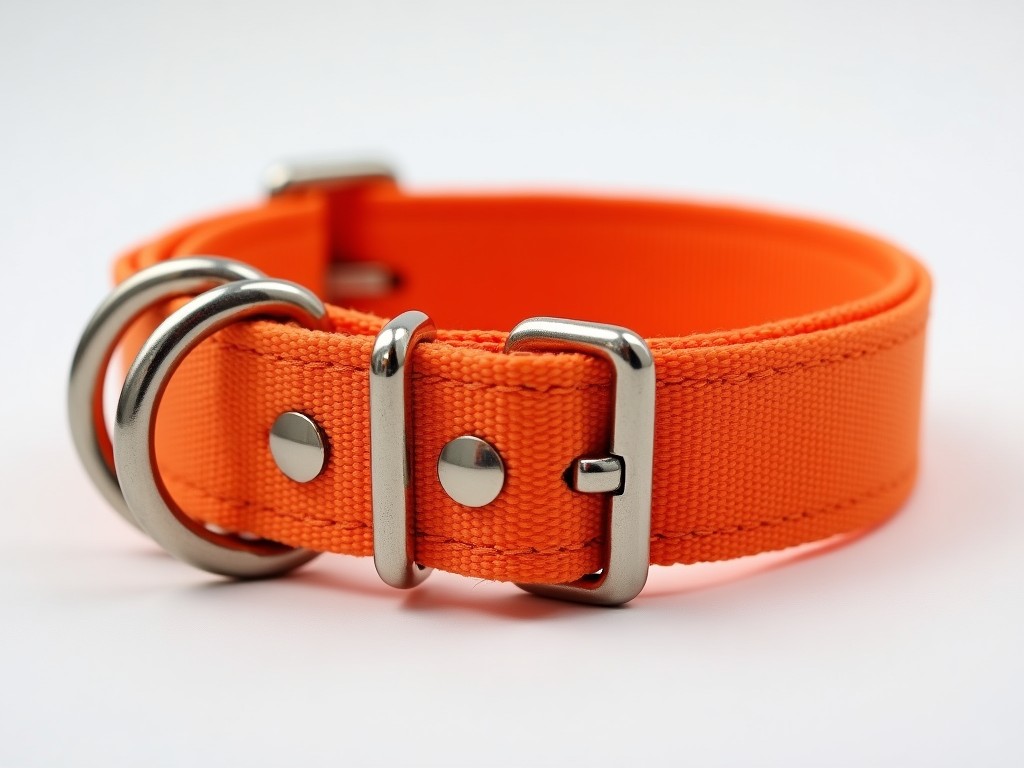
Quick-release buckles, specifically those modeled after Cobra designs, provide a dual-locking mechanism that prevents accidental release. This is vital for safety in environments where a loose collar could lead to entanglement. For standard lead attachment, heavy-duty D-rings are welded rather than riveted to ensure the attachment point can handle sudden jerking forces.
Selection of hardware often depends on the specific operational environment. Saltwater environments necessitate marine-grade stainless steel to prevent oxidation, while general land-based operations may utilize lightweight zinc alloys for an optimized weight-to-strength ratio.
Technical Specifications
| Feature | Typical Value | Customizable Option |
|---|---|---|
| Webbing Material | 1000D Ball Nylon | Cordura, 500D Nylon |
| Tensile Strength | 1,200kg - 1,500kg | Project-specific load |
| Hardware Material | Zinc Alloy / Acetal | 316 Stainless Steel |
| Collar Width | 25mm, 40mm | Custom widths available |
| Stitching Type | Bar-tack X-stitch | Reinforced patterns |
Customization and OEM Capabilities
Large-scale procurement often requires customization to align with organizational branding or specific functional requirements. Manufacturing processes support color-matching via Pantone standards to ensure consistency across different batches of tactical gear.
OEM partners can also request laser-engraved hardware for identification purposes or reflective webbing inserts for low-visibility operations. These modifications are integrated into the production line to ensure that the addition of custom features does not compromise the overall structural load-bearing capacity of the finished product.
Quality Control and Testing Protocols
Reliability is verified through rigorous internal testing protocols before shipment. Every design undergoes tensile testing to determine the exact breaking point of the webbing and hardware assembly, ensuring they exceed safety margins required for working dogs.
Visual inspections are performed on every bar-tack stitch to ensure no missed loops or loose threads that could lead to material fatigue over time. This meticulous approach to quality control ensures that every unit delivered to a client meets the demanding standards of high-stakes operational environments.
Request technical specifications or volume quotations
We provide detailed data sheets and bulk pricing based on your project-specific material requirements and customization needs.
Contact Our Engineering Team