B2B Eco Friendly Dog Collar Manufacturer

B2B Eco Friendly Dog Collar Manufacturer
The pet accessory industry is undergoing a significant shift toward circular economy models, requiring procurement teams to move beyond traditional plastics toward sustainable alternatives. As a specialized manufacturer, we focus on the production of high-performance dog collars that balance rigorous mechanical requirements with low environmental impact scores. Our manufacturing process prioritizes material sourcing that reduces carbon footprints without compromising on the tensile integrity required for heavy-duty animal control.
Material Selection for Sustainable Dog Collars
Material science is the primary factor in determining the lifecycle and environmental footprint of a pet collar. We utilize three primary sustainable materials, each suited for specific mechanical demands within the OEM market. Recycled Polyethylene Terephthalate (rPET) is sourced from post-consumer plastic bottles, offering a strength-to-weight ratio comparable to virgin nylon while significantly reducing petroleum consumption.
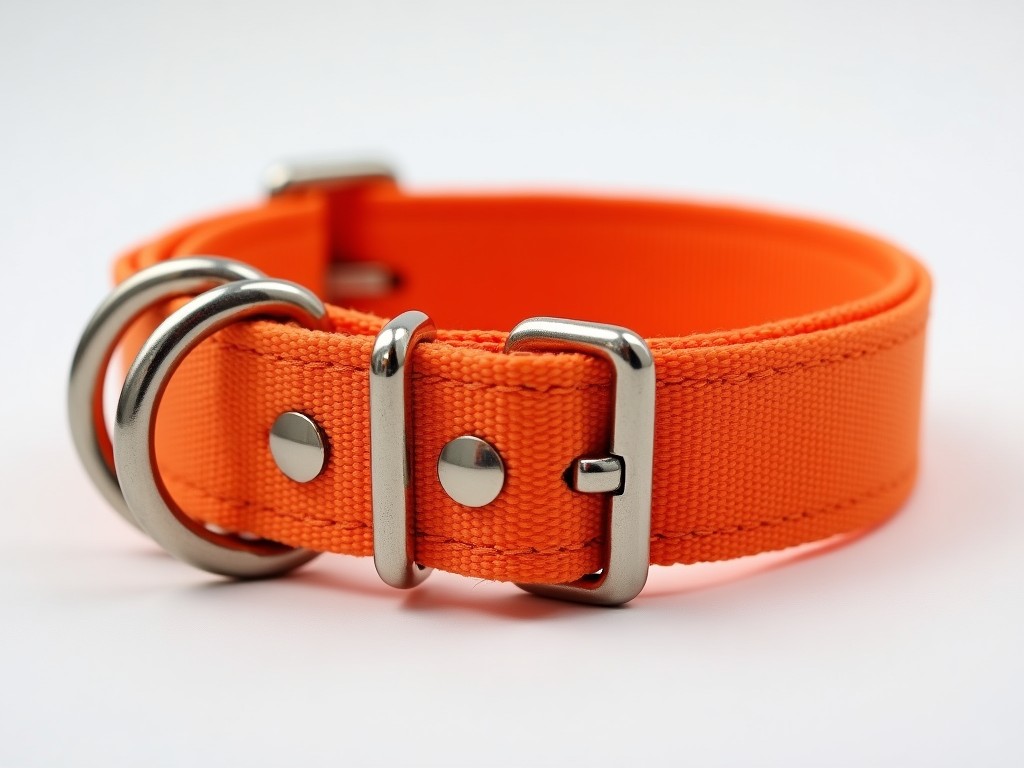
- rPET Webbing: High moisture resistance and abrasion durability, ideal for outdoor environments.
- Cork Leather: Harvested from tree bark without harming the source; naturally antimicrobial and exceptionally lightweight.
- Bio-based Leathers: Derived from agricultural byproducts like pineapple leaves or apple fibers, providing a biodegradable alternative to traditional bovine hides.
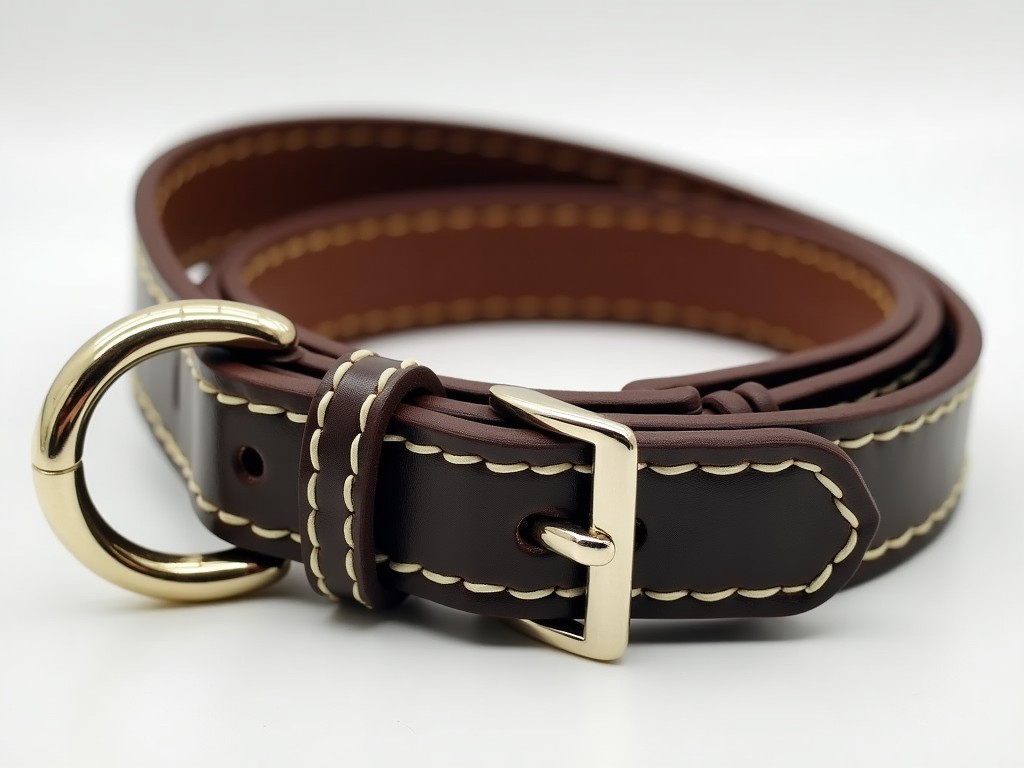
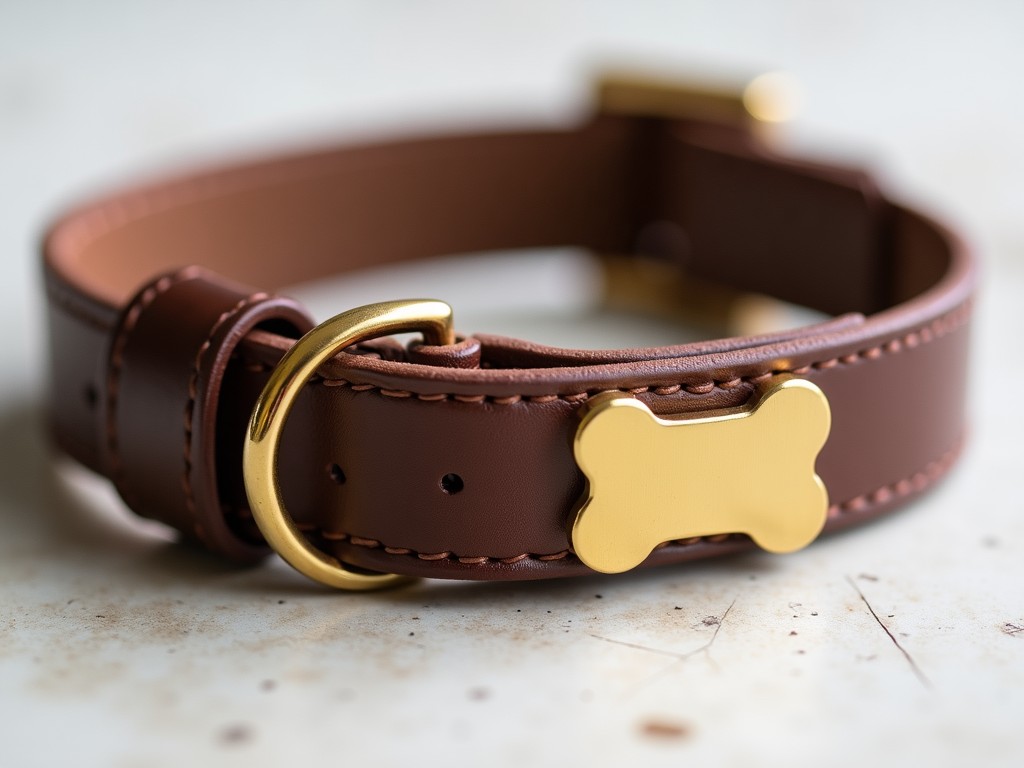
Cork-based collars are particularly effective for premium retail segments due to their natural tannins which prevent bacterial growth. However, for high-tension applications, rPET is reinforced with double-stitch stitching to ensure the material passes pull-load tests typically reserved for industrial safety gear.
Manufacturing Process and Quality Control
Precision engineering is applied to the assembly line to prevent failure in field. Every collar undergoes an ultrasonic welding process for edge sealing to prevent fraying, a common failure point in standard manufactured goods. This ensures that the structural integrity of the webbing remains intact even after repeated exposure to harsh environmental stressors.
Quality control protocols involve a multi-stage testing phase before any batch enters the supply chain. We perform tensile strength testing on random samples to verify that hardware and webbing can withstand specified weight loads. Furthermore, hardware components—such as recycled aluminum or brass buckles—are tested for corrosion resistance to ensure long-term durability in saline or humid environments.
Customization Capabilities for OEM Partners
B2B partners require specific specifications to align with brand identities and functional use cases. Our facility supports a wide range of customization options, from material density to hardware finishes.
- Weave Density: Options from lightweight soft-touch for luxury retail to high-denier tactical weaves for working dogs.
- Hardware Finishes: Recycled zinc alloys, matte black aluminum, or powder-coated recycled steel.
- Branding: Laser-engraved hardware or woven-in labels using non-toxic inks.
Technical Specifications
| Material Type | Tensile Strength (kg) | Water Resistance | Sustainability Source |
|---|---|---|---|
| rPET Webbing | 450-600 | High | Post-Consumer Plastic |
| Cork Leather | 50-80 | Medium | Natural Tree Bark |
| Bio-Leather | 100-150 | Medium | Agricultural Waste |
Industrial and Commercial Scale Applications
Eco-friendly collars are not limited to aesthetic preference; they serve specific industrial needs. High-end retail chains utilize these products to meet consumer corporate social responsibility (CSR) targets. Meanwhile, veterinary clinics and service dog programs benefit from the hypoallergenic properties of cork leather, which reduces skin irritation in sensitive animals.
For outdoor working environments, the rPET-based collars provide the necessary UV resistance to prevent degradation over prolonged exposure. By selecting materials based on these technical metrics, procurement managers can reduce return rates and increase the perceived value of the end-product.
Request technical data sheets or discuss OEM manufacturing requirements.
Inquire for Bulk Production