Custom Real Leather Dog Leads Factory
Custom Real Leather Dog Leads Factory Manufacturing Services
Industrial-facto-standard-grade production of leather dog leads requires a precise integration of tanning chemistry, mechanical engineering, and hardware reinforcement. As a specialized facility, we focus on high-volume OEM orders that must meet specific technical requirements for durability and safety. Our process begins with the selection of raw hides, ensuring that the fiber density can withstand significant tensile stress without stretching or structural failure.
Procurement managers and distributors require a partner capable of maintaining consistency across batches of thousands of units. By utilizing precision cutting technology and standardized stitching protocols, the factory eliminates the variance that often leads to product failure in standard consumer-grade leather goods.
Material Selection for High-Performance Leads
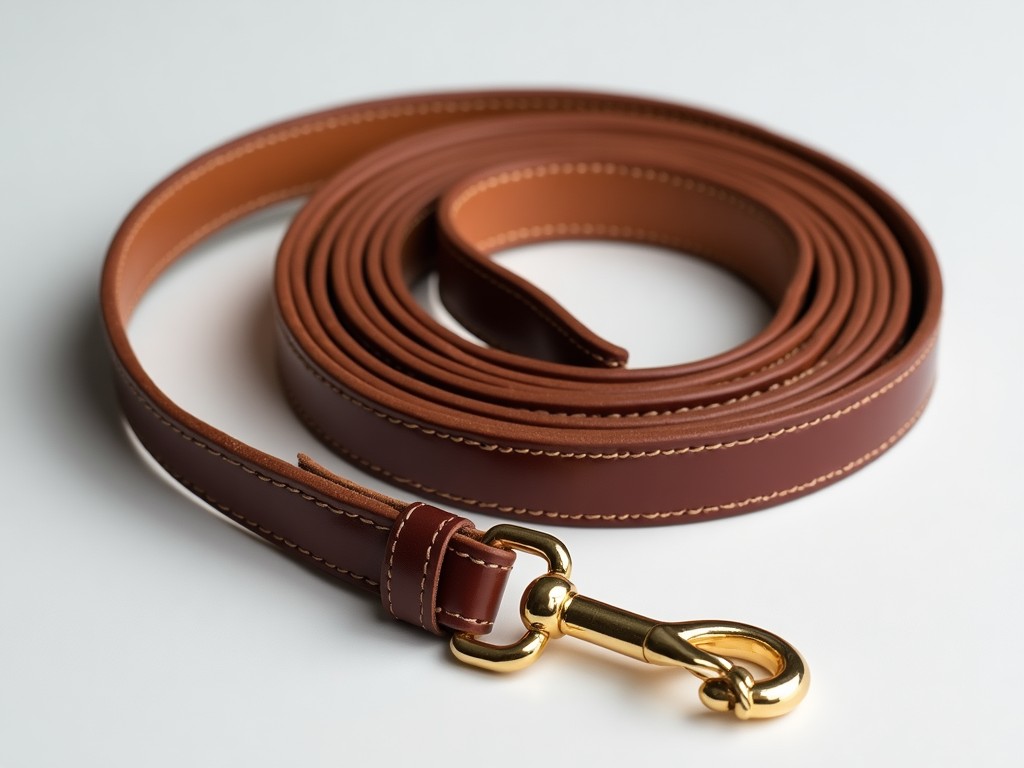
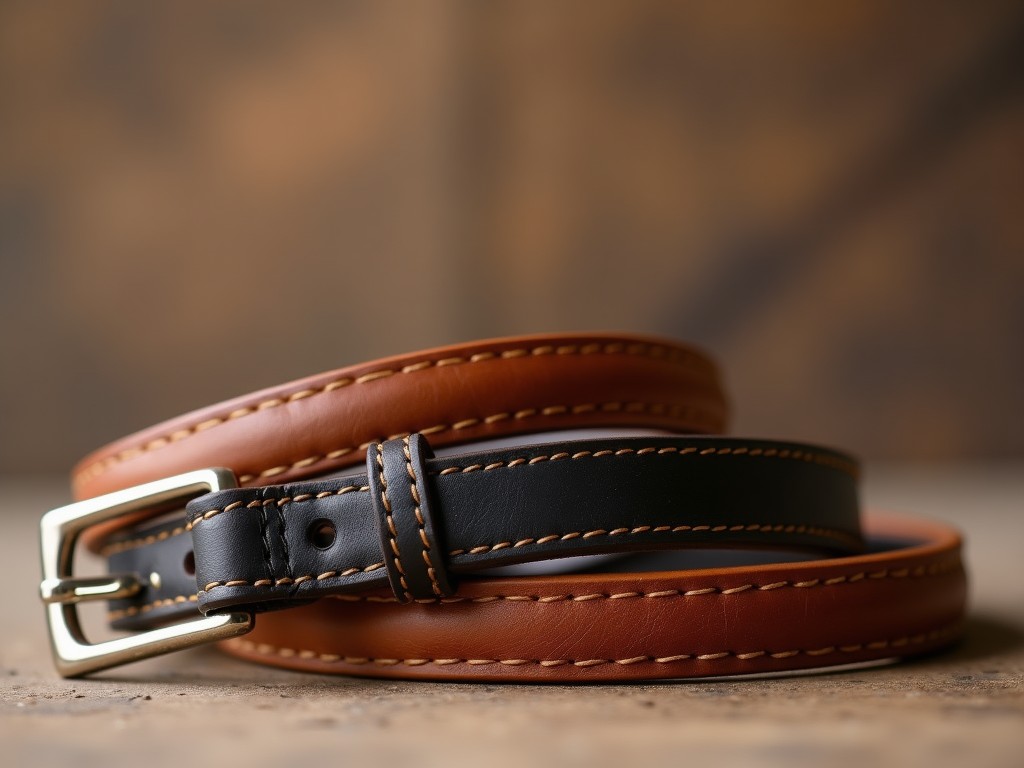
The choice of leather dictates the lifespan and tactile feedback of the lead. Vegetable-tanned leather is processed using natural tannins from tree bark, resulting in a firmer material that develops a patina over time while maintaining its structural integrity. This material is preferred for heavy-duty applications where the lead must not deform under weight or constant tension.
Chrome-tanned leather offers an alternative for clients requiring higher flexibility and faster resistance to moisture. While it is softer initially, it may lack the long-term fiber stability found in premium vegetable-tanned alternatives. We evaluate both full-grain and top-grain options, ensuring the surface layer remains intact to provide the maximum possible strength-to-weight ratio.
Hardware integration is a critical failure point in any lead production. Our factory utilizes solid brass, 316 stainless steel, or high-grade zinc alloys depending on the client's specifications for corrosion resistance and weight capacity. Each hardware component is secured using multi-point heavy-duty rivets or reinforced load-bearing stitching to ensure it cannot pull through the leather under stress.
Custom Engineering Specifications
Customization allows brands to tailor leads to specific breed requirements and environments. We offer widths ranging from 10mm for lightweight training leads to 30mm for large-breed working leads. Thickness is typically maintained between 2.5mm and 5mm, depending on the intended load-bearing capacity of the product.
- Stitch Type: Bonded polyester thread or nylon thread to prevent fraying and increase abrasion resistance.
- Edge Finishing: Burnished or painted edges using industrial-grade wax to prevent moisture ingress into fibers.
- Reinforcement: Double-layered leather at high-stress points where hardware meets the strap.
- Hardware Options: Swivel hooks, bolt snaps, and D-rings available for ergonomic attachment.
Comparison of Material and Hardware Options
| Feature | Durability | Maintenance | Best Use Case |
|---|---|---|---|
| Vegetable-Tanned Leather | High (Structural) | Requires oil/conditioning | Heavy-duty/Working leads |
| Chrome-Tanned Leather | Moderate (Flexible) | Low maintenance | Luxury/Daily wear |
| Solid Brass Hardware | Excellent (Corrosion resistant) | Polish as needed | Premium branding |
| 316 Stainless Steel | Maximum (Industrial grade) | No maintenance required | Marine/Outdoor environments |
Quality Control and Testing Protocols
Quality assurance at our facility is based on measurable data-points. Every production batch undergoes tensile testing to ensure that the stitching and hardware attachments can handle the specified Newton-load. We monitor for stitch-pullout resistance, which would indicate insufficient thread tension or improper leather beveling.
Visual inspections are performed to identify grain inconsistencies in the leather that could serve as weak points under mechanical stress. By rejecting hides with surface flaws at the cutting stage, we ensure that every lead delivered to the client meets the safety standards of the industrial market.
Production Workflow and Lead Times
The manufacturing workflow is structured to maximize efficiency without sacrificing precision. It begins with a technical design phase where dimensions and material specifications are locked in. Once the prototype is approved, the project moves to mass production, where laser-cutting is often used for geometric accuracy.
Typical lead times vary based on order volume and the complexity of hardware requirements. Standard OEM orders generally range from 30 to 45 days from the final sample approval. We provide real-time updates throughout the production cycle to help procurement managers manage their inventory timelines.
Ready to discuss technical specifications for your custom leather lead line? Our engineering team is available to provide detailed quotations based on your project requirements.
Inquire for Custom Manufacturing