China Leather Dog Leashes Manufacturer
China Leather Dog Leashes Manufacturer & OEM Supplier
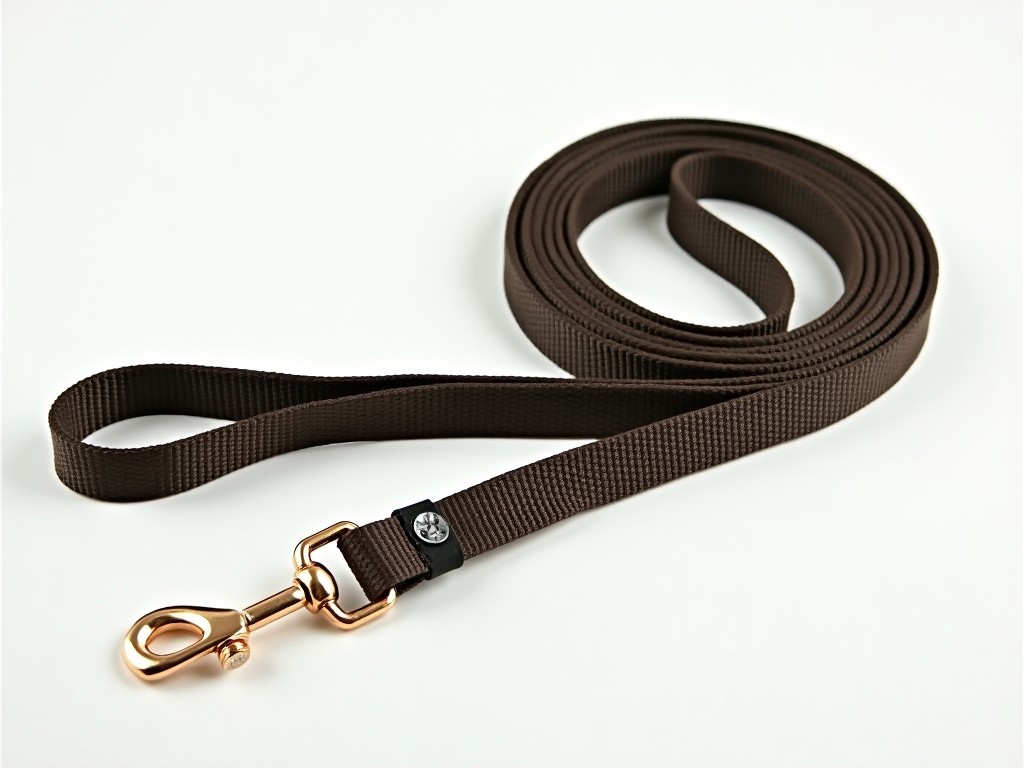
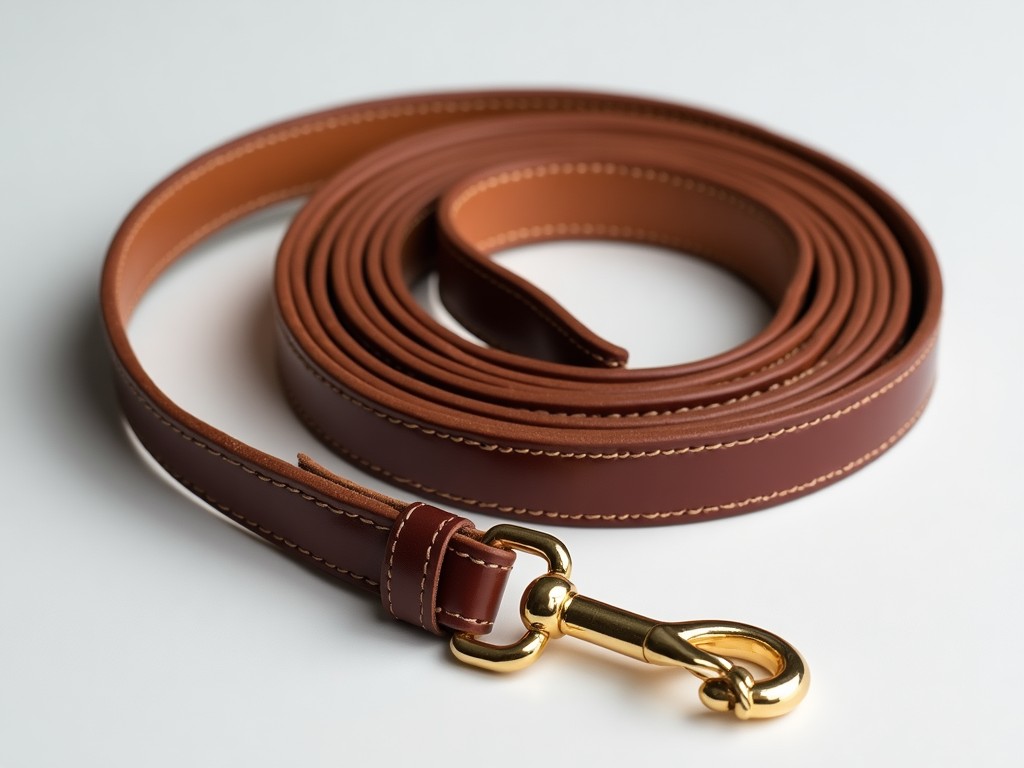
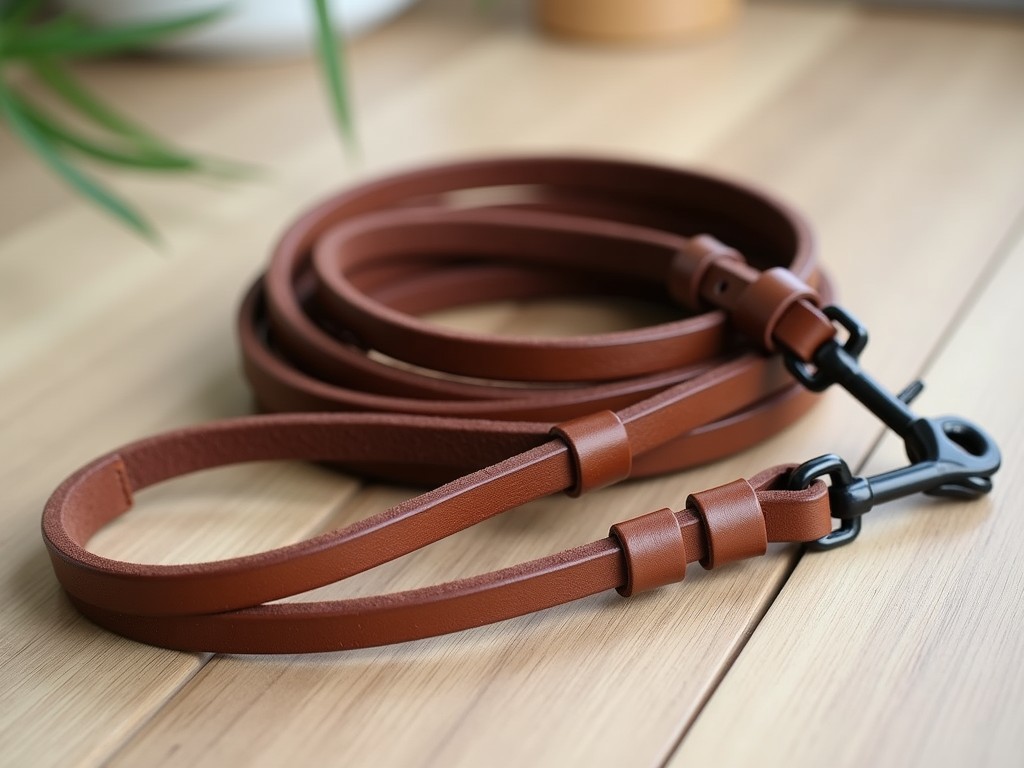
The industrial-scale production of leather dog leashes requires a rigorous understanding of material tensile strength and structural integrity. Leading manufacturing facilities in China prioritize the selection of high-density hides to ensure the final product can withstand significant dynamic loads. This engineering process involves precise laser or die cutting, reinforced stitching patterns, and specialized hardware integration to prevent mechanical failure under extreme stress.
Material Science and Tanning Protocols
Selecting the correct leather grade determines the longevity and performance of the leash. Full-grain leather is often utilized for premium applications because it retains the outer layer of the hide, providing the highest fiber density and natural abrasion resistance. In contrast, split-grain leather offers a cost-effective alternative for high-volume distribution but often requires synthetic backing to maintain necessary structural rigidity.
Tanning methods significantly impact the chemical properties of the leather. Vegetable tanning utilizes natural tannins from bark and leaves, resulting in a firmer material that develops a patina over time while maintaining its shape. Chrome tanning is faster and produces a softer leather with water resistance, which is essential for large-scale OEM orders where color uniformity is critical.
| Technical Specification | Typical Values | Industrial Benefit |
|---|---|---|
| Leather Thickness | 2.5mm - 4.5mm | Prevents material stretching under load. |
| Tensile Strength | 150kg - 300kg | Ensures safety for large-breed pulling. |
| Stitch Material | Bonded Nylon Thread | Resists fraying and UV abrasion. |
| Hardware Coating | Electroplated / Powder Coat | Corrosion resistance in humid environments. |
Manufacturing and Assembly Standards
Precision in assembly begins with the inspection of raw hides to identify natural weaknesses or scars. Once verified, the leather is cut using CNC-guided machinery to ensure dimensional consistency across the production batch. The assembly phase utilizes a box-stitch or a saddle-stitch technique, which distributes the mechanical load across multiple points rather than a single line of failure.
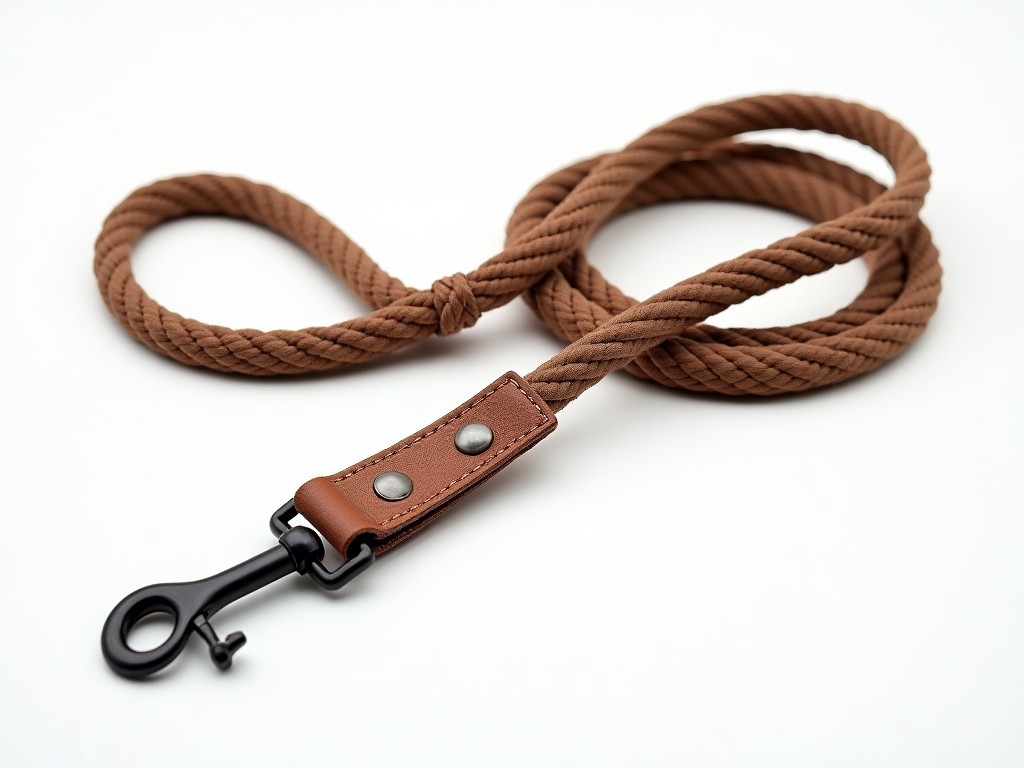
Hardware integration is a critical stage where quality often varies. Manufacturers utilize high-grade zinc alloys or stainless steel for snap hooks, D-rings, and swivel bolt triggers. Each hardware component is secured using either copper rivets or heavy-duty stitching to ensure that the tethering point does not detach during sudden movements.
- Edge Finishing: Multiple layers of edge paint applied to prevent moisture ingress into leather fibers.
- Reinforcement Zones: Double-layered leather at high-stress junction points to increase life.
- Weight Testing: Standardized testing to verify the breaking point of the leash assembly.
Customization and OEM Capabilities
OEM buyers require specific customization to align with brand identities. This includes heat-stamped logos, laser engraving on hardware, or custom silk-woven leather surfaces. Beyond aesthetics, custom hardware finishes such as matte black, antique brass, or brushed nickel are available to meet specific market requirements.
Logistical flexibility is also a component of the manufacturing partnership. We provide various packaging solutions, from individual retail-ready poly-bags to bulk-packed export cartons optimized for international shipping. Production lead times are determined by the order volume and the complexity of the technical specifications requested.
Technical Inquiry
Procurement managers and distributors seeking detailed technical data sheets or samples should contact our engineering team. We provide material safety reports and tensile testing results upon formal request.
Request Technical Specifications & Quote