Chew Proof Chain Dog Leash Manufacturer
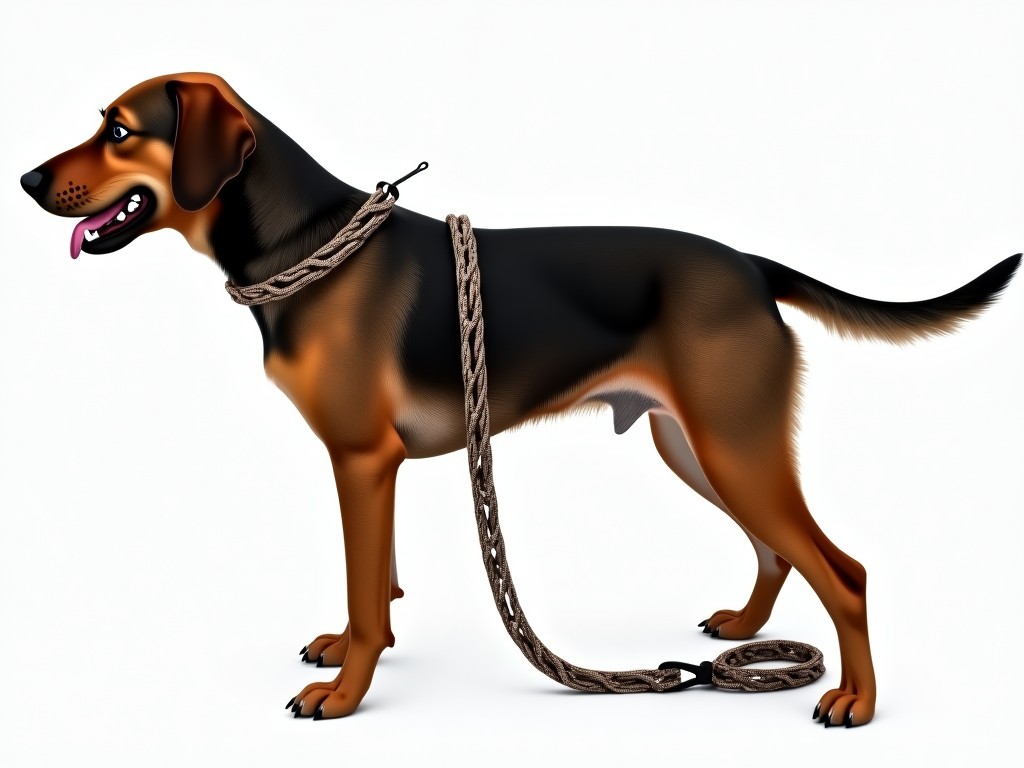
Chew Proof Chain Dog Leash Manufacturer
Standard nylon and leather leashes frequently fail in high-stress environments due to canine chewing behavior, leading to sudden safety risks and equipment loss. A chew-proof chain leash utilizes an interlocking metal architecture designed to eliminate the risk of material shearing. This engineering approach focuses on structural integrity and material resistance to ensure the leash remains intact under significant tension and aggressive biting forces.
Engineering Material Selection and Durability Factors
Selecting the correct alloy is critical for preventing oxidative corrosion and maintaining mechanical strength. While 304 stainless steel is the industry standard for its balance of cost and rust resistance, 316 stainless steel provides superior protection in coastal or chemically-heavy environments. The tensile strength of the wire itself is the primary defense against permanent deformation, typically measured by the gauge diameter of the chain links.
Surface treatments also play a role in the longevity of the product. High-grade TPU or PVC coatings can be applied to the chain to provide a barrier against moisture and to improve the tactile grip. These coatings also dampen the noise associated with metal links striking together during rapid movement.
| Material Type | Technical Advantage | Primary Application |
|---|---|---|
| 304 Stainless Steel | High corrosion resistance, cost-effective | General K9 and security use |
| 316 Stainless Steel | Maximum salt-water and chemical resistance | Coastal and marine facilities |
| Galvanized Steel | High tensile strength, lower cost | Budget-grade industrial |
Structural Design for Mechanical Resistance
The geometry of the chain links determines the bite-resistance capacity of the leash. Smaller link diameters increase the density of the material, making it physically difficult for a canine to gain a purchase with its teeth. We utilize mechanical interlocking or precision-welding techniques to ensure that links do not deform under lateral or axial stress.
Hardware attachment points are the most common sites of mechanical failure. Heavy-duty bolt snaps and swivel joints are integrated using reinforced--welds to prevent the chain from pulling away from the hardware. This integrated structural approach ensures that the entire assembly can withstand sudden shock loads from a working animal.
Industrial and Commercial Application Use-Cases
- K9 Security Facilities: Essential for environments where dogs may be prone to chewing equipment during transport or containment periods.
- High-Bite Training Centers: Provides the necessary durability for aggressive training sessions where standard materials would be shredded in minutes.
- Marine Operations: Utilizes 316 stainless steel variants to prevent degradation in high-salinity environments.
Customization Options and Manufacturing Process
Manufacturing allows for specific technical specifications to meet varied operational requirements. This includes custom chain lengths ranging from 1.5 meters to 5-meter long lead-lines, as well as varying link thicknesses (gauges). We also offer specialized hardware finishes to match existing fleet equipment or collar systems.
Each batch undergoes rigorous quality inspection to verify link integrity and hardware-bond strength. This ensures that every unit delivered meets the tensile strength standards required for industrial-grade K9 equipment.
Frequently Asked Technical Inquiries
What is the typical production-lead time for bulk orders?
Standard industrial orders typically ship within 3 to 5 weeks, while custom specifications involving specific alloys or lengths may require additional time depending on raw material availability.
Can material certifications be provided for specific alloys?
Yes, we can provide material reports for stainless steel grades to confirm chemical composition and corrosion resistance properties upon request during procurement.
How are the hardware tested for strength?
Hardware components are subjected to tension testing to ensure the attachment points can withstand forces exceeding the maximum pull of large-breed working dogs.
Require a technical specification sheet or a quote for your organization's fleet?
Request Industrial Inquiry