Double Dog Lead For Harness And Collar Supplier
Double dog lead for harness and collar supplier
The dual-attachment lead, commonly referred to as a double lead, is an engineering solution designed for redundant control in high-stakes animal management. By providing two independent connection points, these leads allow operators to secure both a collar and a harness simultaneously, significantly mitigating the risk of escape or equipment failure during sudden movements or high tension. This configuration is particularly vital in professional environments where the distribution of mechanical force must be managed across different anatomical points of the animal to ensure safety and structural integrity.
Engineering Specifications and Material Selection
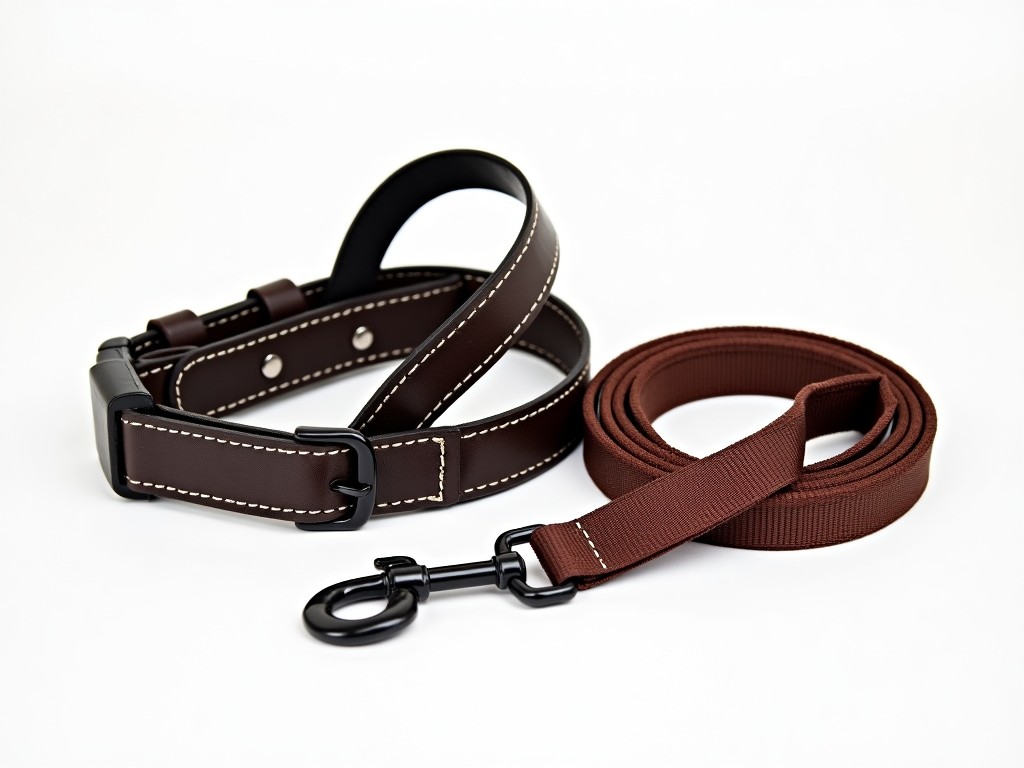
Material selection for double leads determines the tensile strength and environmental resistance of the final product. Industrial-grade double leads typically utilize high-denacity nylon or polyester webbing, chosen for their strength-to-weight ratio. For environments requiring extreme durability or chemical resistance, polyurethane-coated fabrics (biothane) are utilized as they prevent moisture absorption and allow for easy decontamination without degrading the internal fiber components.
Hardware components represent critical failure points in any lead system. We specify 304 or 316 stainless steel for snap hooks and swivels to prevent corrosion in salt-air or humid environments. The attachment method often involves reinforced box-stitching or bar-riveting, ensuring that the load is distributed evenly across the webbing rather than stressing a single point.
| Feature | Technical Specification | Industrial Application |
|---|---|---|
| Webbing Material | High-tenacity Nylon / TPU Coated | Heavy-duty training & service |
| Tensile Strength | 1.5kN - 3.0kN (per lead) | Safety-critical restraint |
| Hardware Alloy | 316 Stainless Steel / Zinc Alloy | Marine and clinical use |
| Stitch Pattern | Reinforced X-Box Stitch | High-impact distribution |
Functional Advantages of Dual-Attachment Configurations
The primary mechanical advantage of a double lead is the seamless transition between control points. When moving an animal from a collar-based lead to a harness-based lead, the operator can maintain a constant connection without ever uncoupling the hardware. This eliminates the "window of vulnerability" where an animal could potentially bolt if the operator is distracted during the switching process.
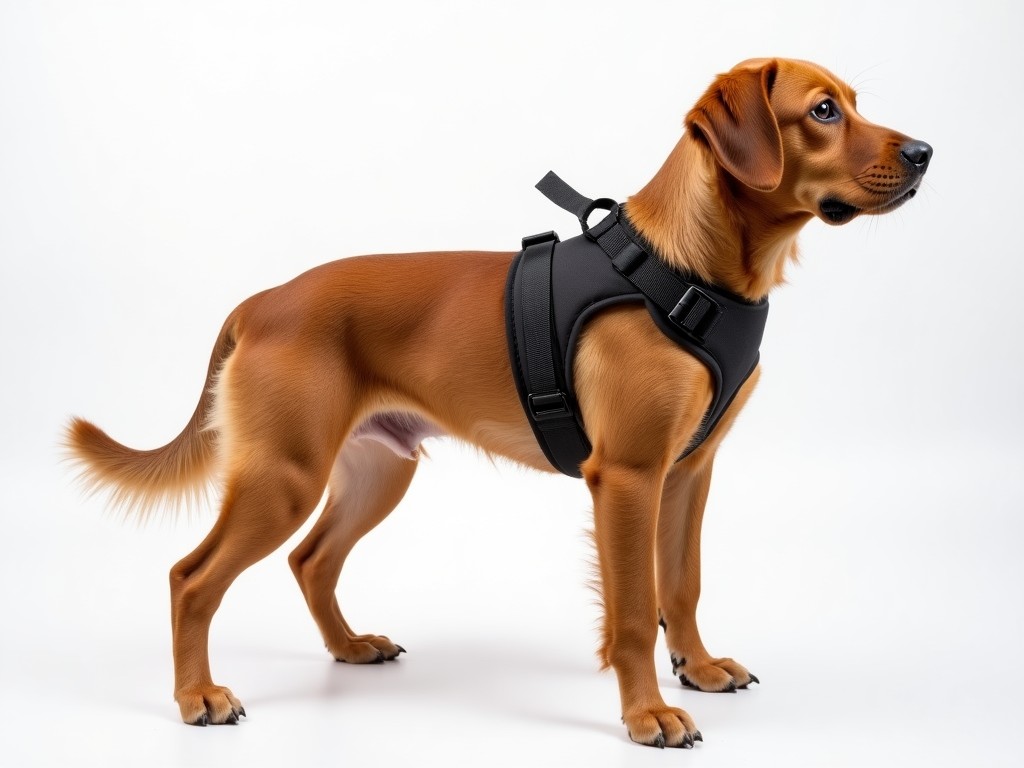
Furthermore, the dual-lead setup allows for nuanced force management. One lead can remain attached to the harness for general guidance and weight distribution, while the second lead is attached to the collar for precise directional control or emergency stops. This de-coupling capability is essential for working with reactive breeds or animals with specific medical conditions that require restricted movement.
Applications in Professional Animal Handling Environments
- Veterinary Clinics: Used for secure restraint during examinations or procedures where the animal may become startled or exhibit sudden resistance.
- Service Dog Operations: Provides a safety backup in high-traffic urban environments where a single point of failure could have significant consequences.
- Professional Training Facilities: Allows trainers to practice different engagement techniques by switching between collar and harness pressure points without losing physical contact.
- Security and Enforcement: Facilitates the safe handling of large-breed animals where multi-point control is mandatory for public safety.
Customization Options for OEM and Bulk Orders
For industrial buyers and distributors, we offer extensive customization parameters to meet specific branding or operational requirements. This includes the selection of webbing widths—ranging from 20mm to 50mm—to accommodate different load-bearing needs and ergonomic preferences for the handler.
Hardware finishes can also be customized, such as matte black PVD-coated hardware or natural stainless steel, to match specific product identities. Additionally, we can integrate reflective threading into the webbing for low-visibility operations or provide custom color-coding to facilitate organizational identification within large working teams.
Quality Control and Testing Protocols
Our quality control process focuses on verifying the mechanical limits of the assembly points. Every batch of double leads undergoes load-testing to ensure the stitching and hardware can withstand the rated tensile force without structural deformation. We also perform visual inspections of the webbing to detect fraying, inconsistent weave density, or misalignment in the hardware attachments.
Beyond mechanical testing, we evaluate the environmental resistance of the materials used. This includes salt spray testing for metal components and UV-exposure testing for synthetic fibers to ensure the product does not degrade prematurely when subjected to outdoor elements.
For technical specifications or to request a bulk quotation, please contact our engineering sales team. We provide detailed data sheets and samples upon request to evaluate your specific product line.
Inquire for Technical Specifications