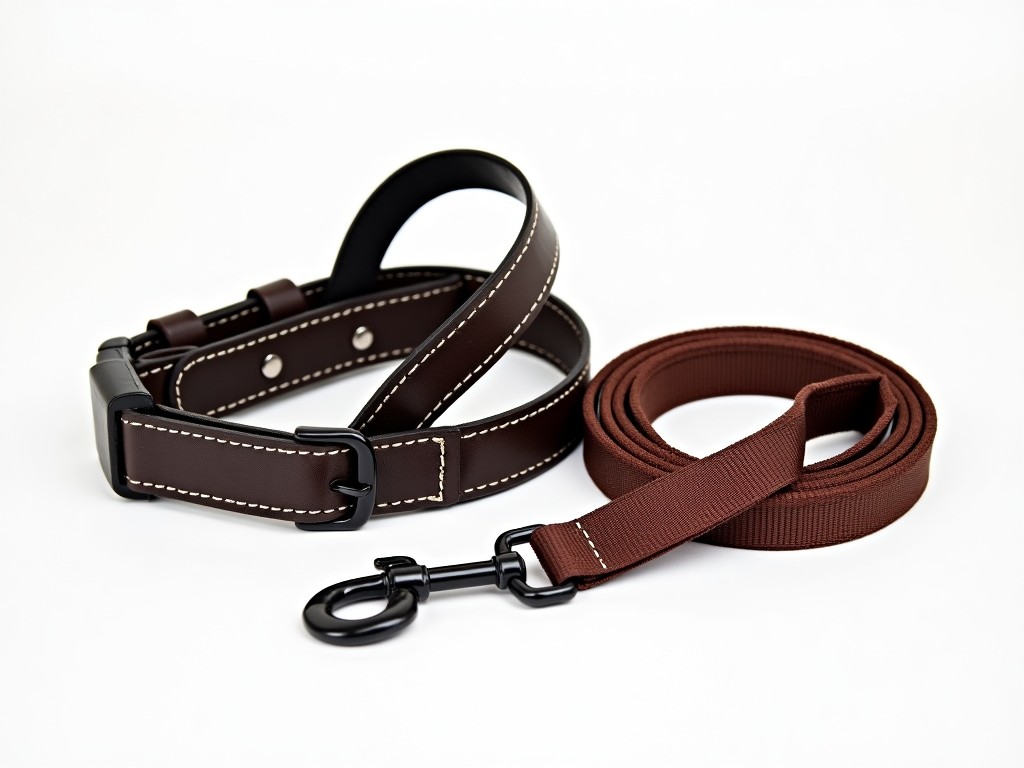
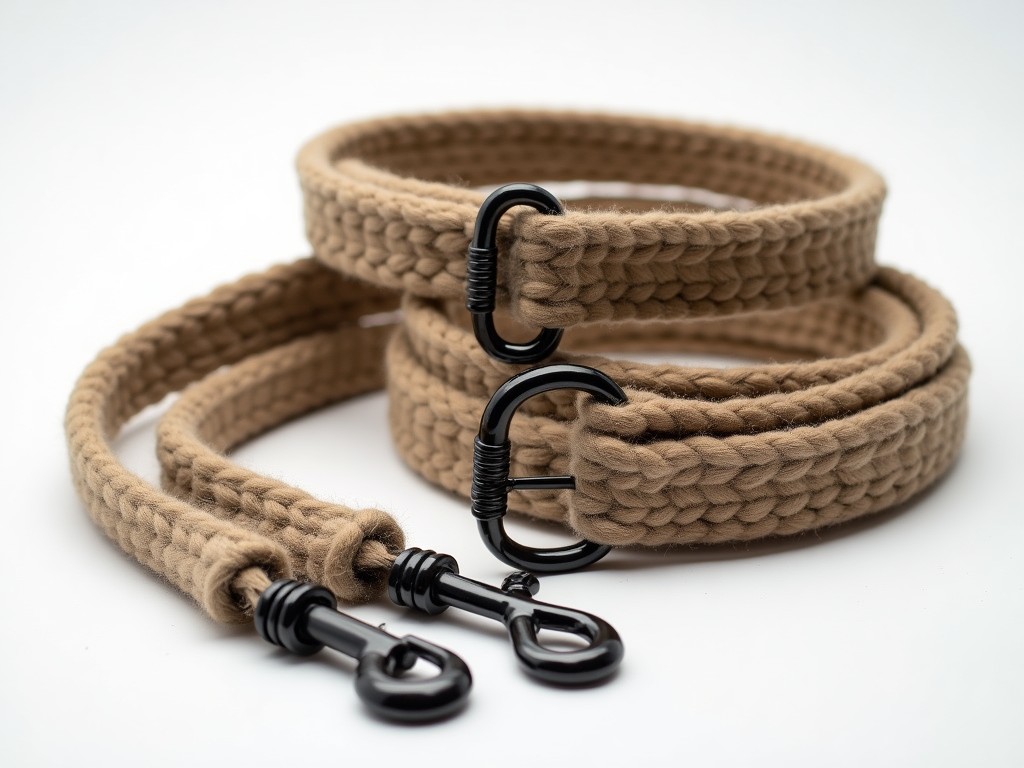
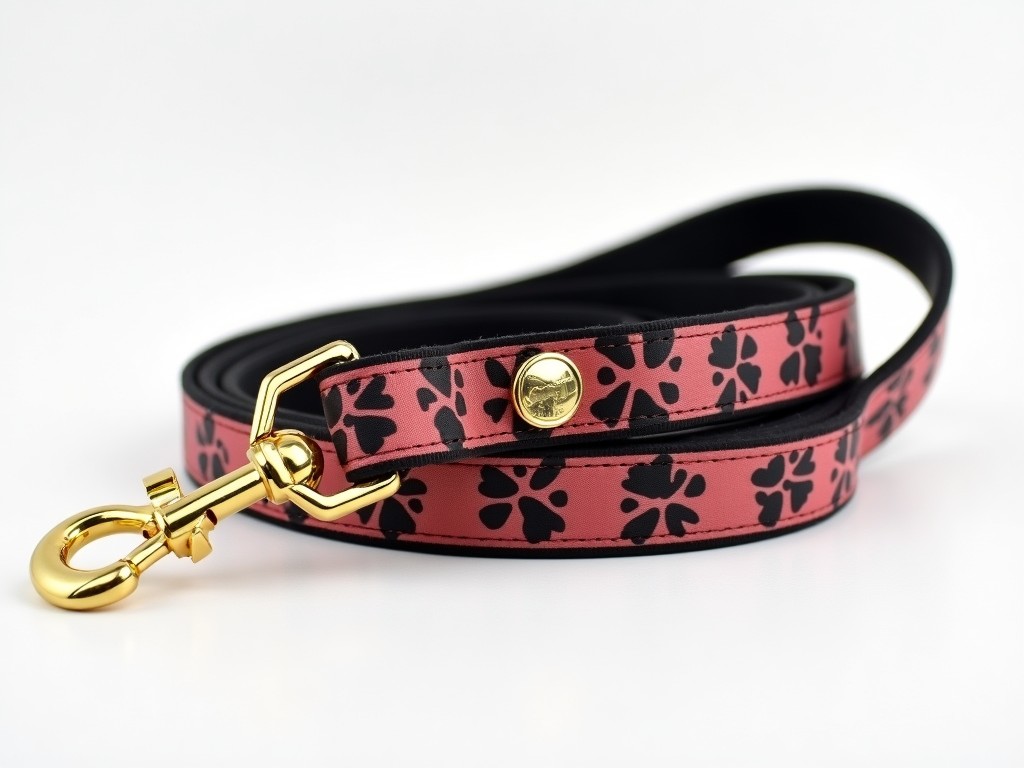
All In One Dog Harness And Leash Set Supplier
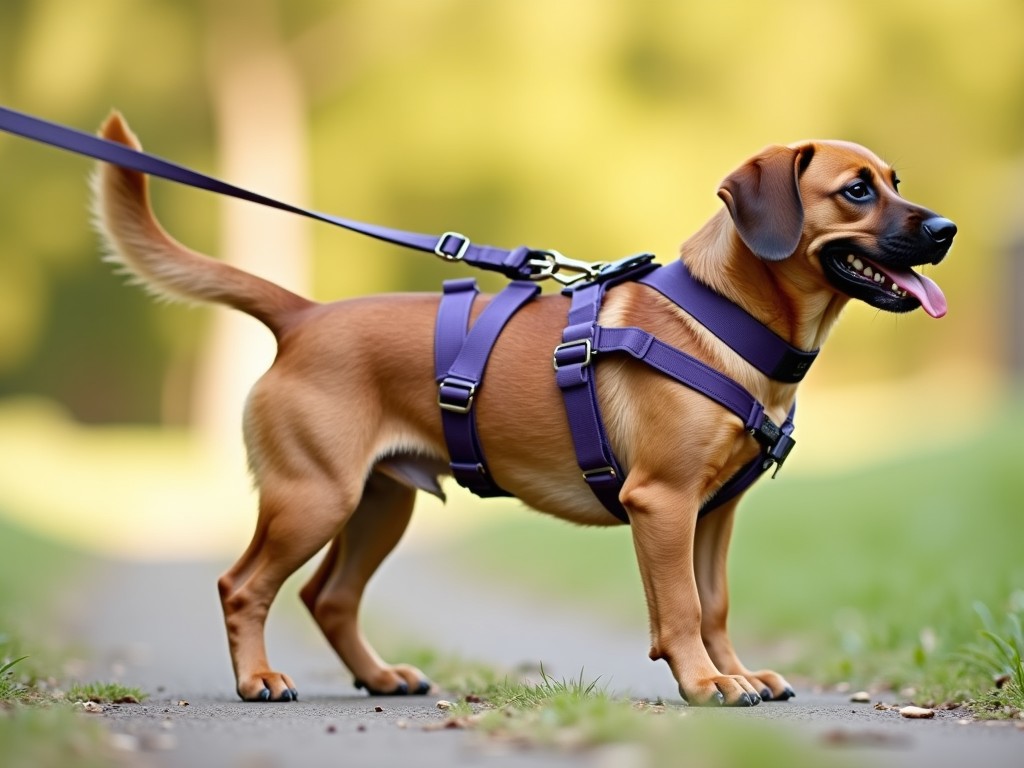
All in One Dog Harness and Leash Set Supplier
The engineering of integrated pet restraint systems, specifically all-in-one harness and leash sets, requires a focus on balanced load distribution and mechanical durability. Unlike traditional configurations where the leash and harness function as independent components, an integrated all-in-one system utilizes a unified structural architecture that distributes kinetic force across the thoracic cavity rather than the sensitive cervical region. This approach is critical for preventing tracheal compression during high-tension maneuvers or sudden stops.
Procurement professionals and OEM partners must evaluate these systems based on the synergy between the hardware interface and the textile substrate. By integrating the leash attachment point directly into the reinforced load-bearing zones of the harness, design reduces the risk of shear failure associated with secondary connections. This technical integration ensures that the system geometry remains stable even when under significant mechanical stress in diverse operational environments.
Technical Specifications and Engineering Standards
Material selection is the primary determinant of the operational lifecycle of industrial-grade harness sets. We utilize 1000D high-tenacity nylon webbing, which offers a high tensile strength-to-weight ratio and superior resistance to abrasion. For the hardware components, including D-rings and quick buckles, 316 stainless steel or high-grade zinc alloys are selected to prevent corrosion and maintain structural integrity under varying humidity and temperature conditions.
The padding systems often employ breathable EVA foam or closed-cell mesh fabrics. These materials provide necessary shock absorption while preventing moisture retention, ensuring the harness does not become heavy or abrasive during prolonged use. Stitching protocols are executed using reinforced bartack patterns at all high-stress junctions, which distribute the load across multiple fiber points to prevent fabric unraveling or material fatigue.
- Tensile Strength: Minimum load capacity of 250kg for primary attachment points.
- Hardware Material: Corrosion-resistant 316 stainless steel or powder-coated alloy.
- Substrate Density: Multi-layered nylon webbing with UV-stabilized coating.
- Ergonomics: High-density EVA foam inserts for pressure-point mitigation.
Manufacturing Process and Quality Control
Manufacturing integrated restraint systems begins with precision cutting to ensure dimensional consistency across production runs. Laser-cutting technology is employed for the webbing to provide clean edges, which prevents fraying and maintains the structural integrity of the material. Following cutting, the assembly process involves specialized industrial sewing machinery that ensures every seam meets the required density and stitch count for load-bearing performance.
Quality control protocols involve rigorous stress testing of randomly sampled units. Each batch undergoes pull-testing to verify that hardware-to-webbing interfaces meet the specified Newton thresholds. Furthermore, visual inspections are conducted to check for dye uniformity and padding alignment, ensuring that no defects exist that could lead to premature mechanical failure or discomfort for the end-user.
Technical Comparison
| Feature | Standard Separate Sets | Integrated Industrial System |
|---|---|---|
| Load Distribution | Pointed (Neck/Chest) | Full Thoracic Distribution |
| Attachment Interface | Secondary Carabiner/Clip | Unified Structural Frame |
| Hardware Rating | Plastic/Light Alloy | Reinforced Steel/Heavy Alloy |
| Operational Risk | High (Component Discoupling) | Low (Integrated Stability) |
Customization and OEM Capabilities
Industrial buyers have access to comprehensive customization options to meet specific branding or functional requirements. This includes Pantone-matched colorways for webbing and padding, as well as heat-transfer or woven labeling for brand identification. We can also modify the harness geometry to accommodate specific anatomical requirements, from small- breeds to heavy-duty working animals.
Beyond aesthetics, functional customization involves altering hardware configurations, such as adding reflective piping for high-visibility operations or integrating multiple attachment points for multi-lead control. Our engineering team works with clients to ensure the final product aligns with the specific technical demands of the distributor's target market.
Industrial Applications
The integrated all-in-one design is engineered for environments where reliability and safety are paramount. In urban mobility control scenarios, the system allows for precise restraint without the risk of the harness slipping during sudden movements. For professional training and working contexts, the load distribution ensures that the animal can perform over extended periods without physical strain or restricted respiratory function.
Furthermore, high-activity outdoor applications benefit from the durability of the 1000D nylon and corrosion-resistant hardware. The unified system ensures that the leash remains properly tensioned to the harness, providing a consistent mechanical advantage for the handler in rugged or unpredictable terrain.
Require technical specifications or a bulk quotation for your OEM project?
Request Technical Data