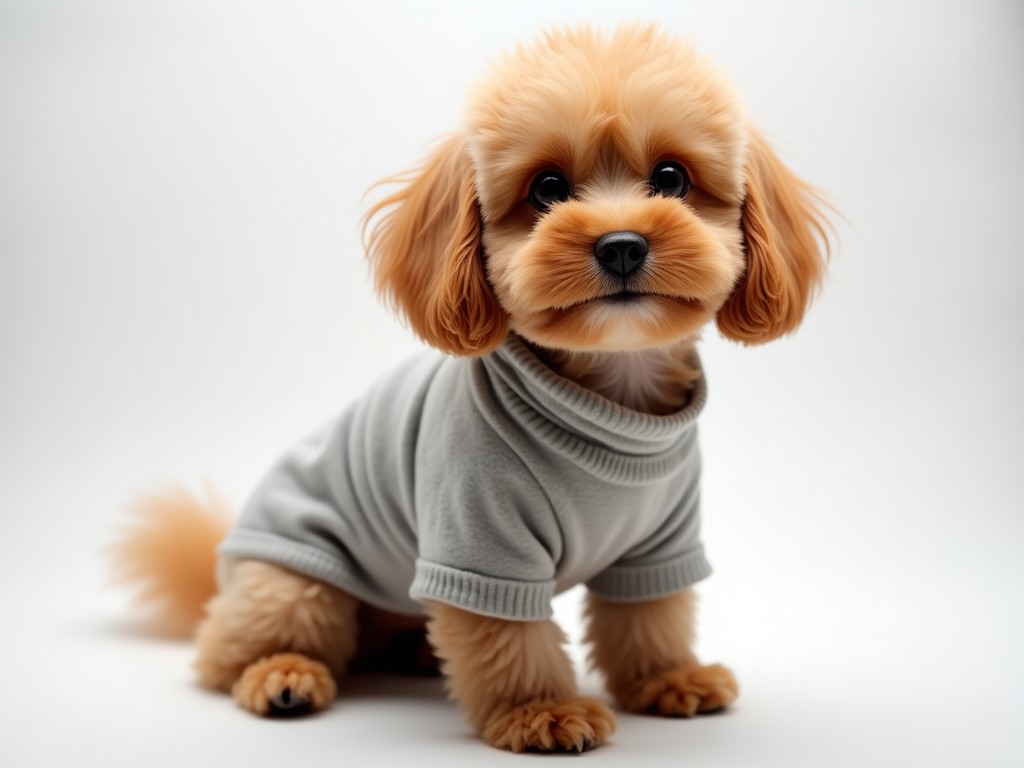
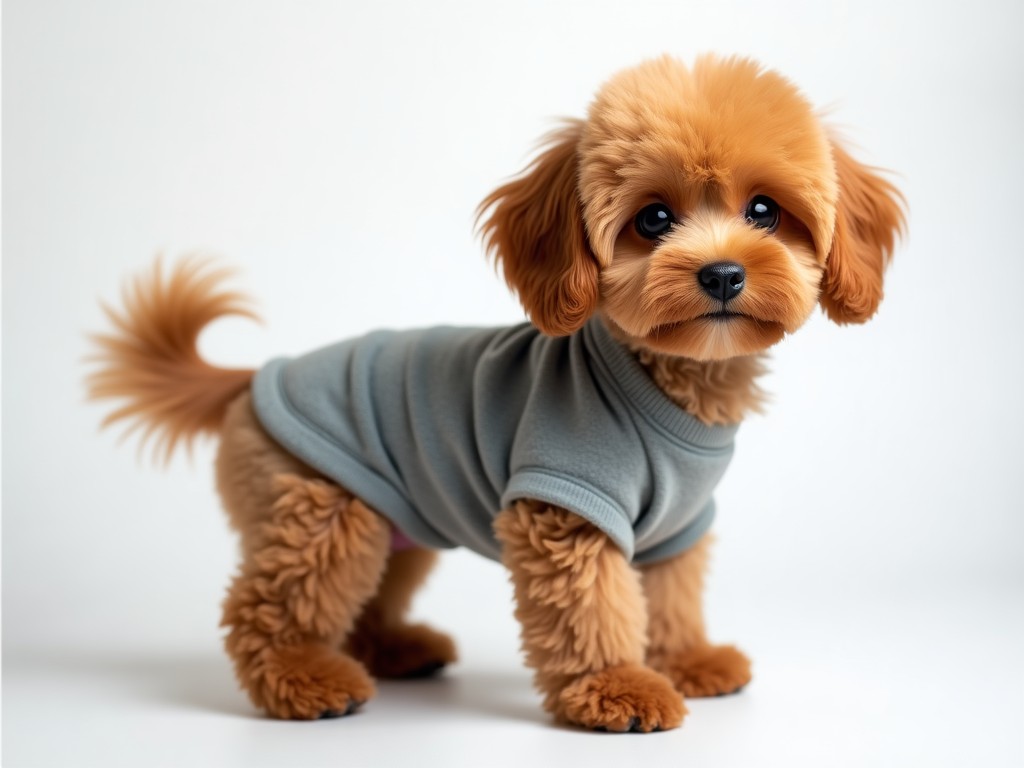
Wholesale Pet Apparel Clothing Exporter
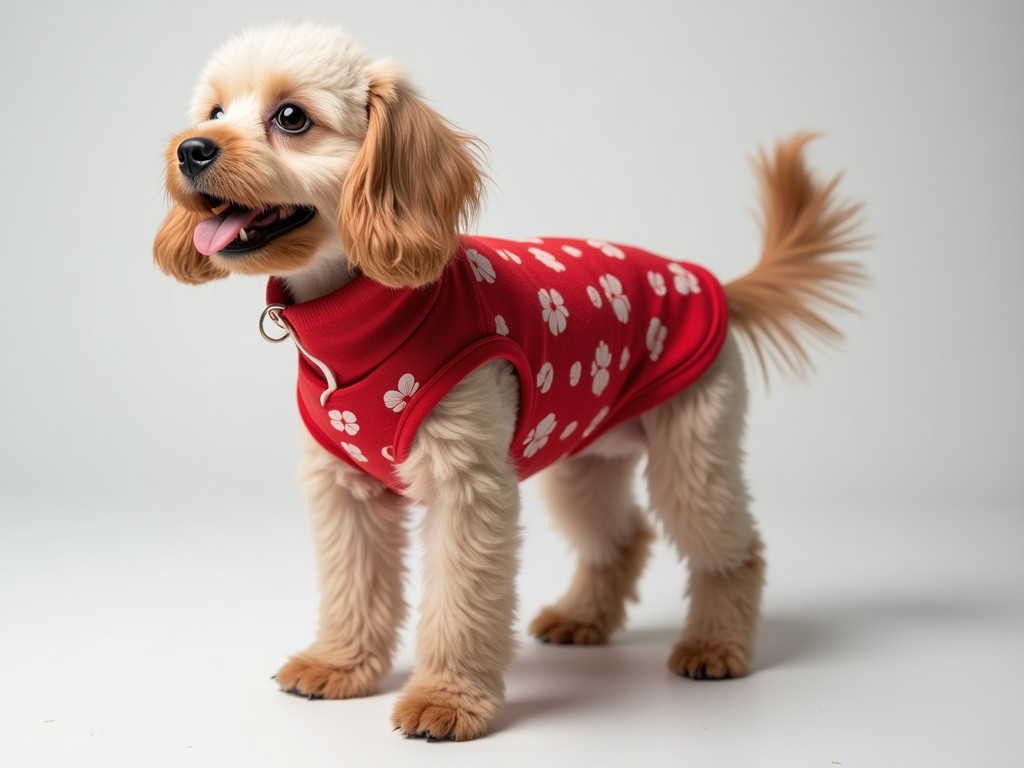
Wholesale Pet Apparel Clothing Exporter: Global Supply Chain & Manufacturing
Managing global pet apparel supply chains requires a deep technical understanding of textile performance, animal-specific ergonomic requirements, and international trade compliance. As a high-volume exporter, the facility bridges the gap between industrial-scale manufacturing and precision-grade design. Our operations focus on maintaining structural integrity in garment construction while ensuring that materials withstand the unique physiological stresses of canine and feline movement.
Material Selection and Technical Specifications
Fabric selection is dictated by the intended environment and the activity level of the pet. High-density jersey knits, typically ranging from 180 to 220 GSM, provide the necessary breathability for indoor wear where thermal regulation is a priority. Conversely, for active outdoor gear, high-denier ripstop nylon and oxford weaves are utilized to provide abrasion resistance and protection against environmental brush and moisture.
Moisture-wicking properties are critical for athletic pet apparel to prevent skin irritation. Synthetic blends involving polyester and elastandex utilize capillary action to move sweat away from the skin, facilitating rapid evaporation. Technical evaluations of these fabrics include testing tensile strength and recovery rates to ensure the garment maintains its shape after repeated stretch cycles and mechanical stress.
| Material Type | Typical Weight | Primary Characteristic | Primary Application |
|---|---|---|---|
| 100% Cotton Jersey | 180-220 GSM | High Breathability | Indoor daily wear |
| Polyester Fleece | 250-300 GSM | Thermal Insulation | Winter coats |
| Ripstop Nylon | 150D-200D | Abrasion Resistance | Raincoats/Outer gear |
| Spandex Blend | 200+ GSM | High Elastic Recovery | Athletic harnesses |
Manufacturing Processes and Quality Control
Structural integrity in pet apparel relies on advanced seam construction. Flatlock stitching is frequently employed in high-friction areas to minimize bulk against the animal's skin, significantly reducing the risk of dermal chafing. For load-bearing components, such as harness attachments or reinforced, reinforced bar-tacking is applied to ensure the garment does not fail under sudden mechanical jerks.
Quality control protocols involve multi-stage inspections to meet international safety standards. Each production batch undergoes pull-testing on small components like buttons, snaps, and zippers to ensure they are not choking hazards. Furthermore, colorfastness testing is conducted to ensure that dyes do not migrate onto the pet's fur during laundering or through exposure to moisture and perspiration.
- Stitches per inch (SPI) verification to ensure seam durability.
- Dimensional stability checks to prevent post-wash shrinkage.
- Chemical safety testing for REACH compliance and hypoallergenic standards.
- Ergonomic fit testing across breed-specific prototypes.
Customization Options for OEM/ODM
Procurement managers can access various customization pathways to meet specific market segment requirements. This includes the development of breed-specific sizing charts that account for the anatomical differences between deep-chested and long-bodied breeds. Branding methods such as high-definition screen printing, heat transfer labels, and custom embroidery are integrated directly into the manufacturing workflow.
Technical customization also involves the integration of functional hardware, such as reflective piping for night-visibility or multi-layered mesh inserts for enhanced airflow. Each custom component is evaluated for compatibility with the base fabric to ensure the final product meets the specified performance metrics defined by the client.
Logistics and Export Compliance
Exporting pet apparel requires rigorous adherence to international documentation and packaging standards. Shipments are packed using moisture-barrier polybags and reinforced master cartons to prevent damage during long-haul maritime or air transit. We support various Incoterms, including FOB, CIF, and DDP, providing buyers with flexibility in risk and cost management.
Compliance-related documentation includes certificates of origin, packing lists, and commercial invoices as required by regional customs authorities. This ensures that wholesale orders clear customs with minimal delays, maintaining supply chain continuity for distributors and retailers.
Interested in technical specifications or a wholesale quotation?
Request Technical Data & Quote