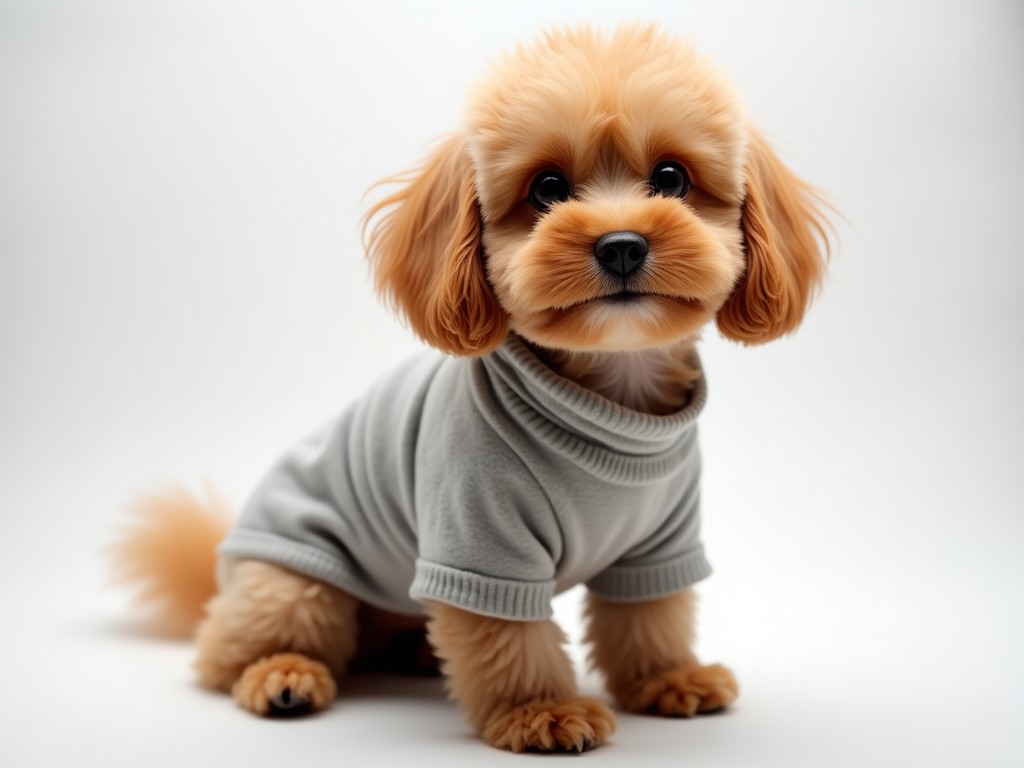
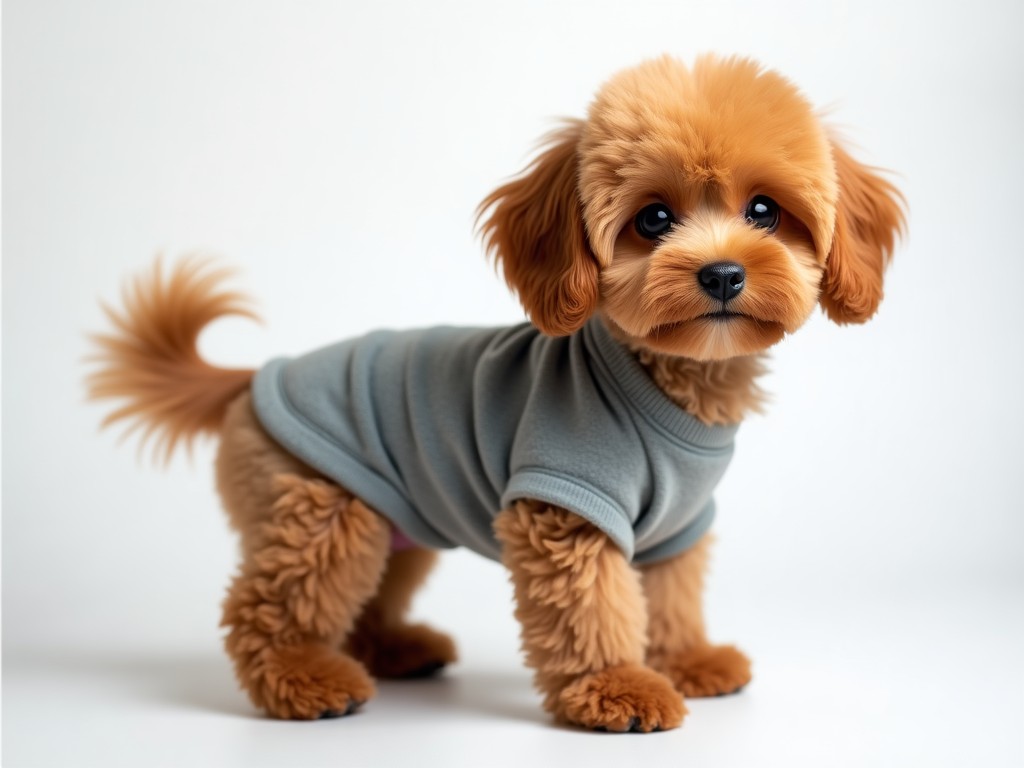
Small Dog Clothes Supplier For Sale
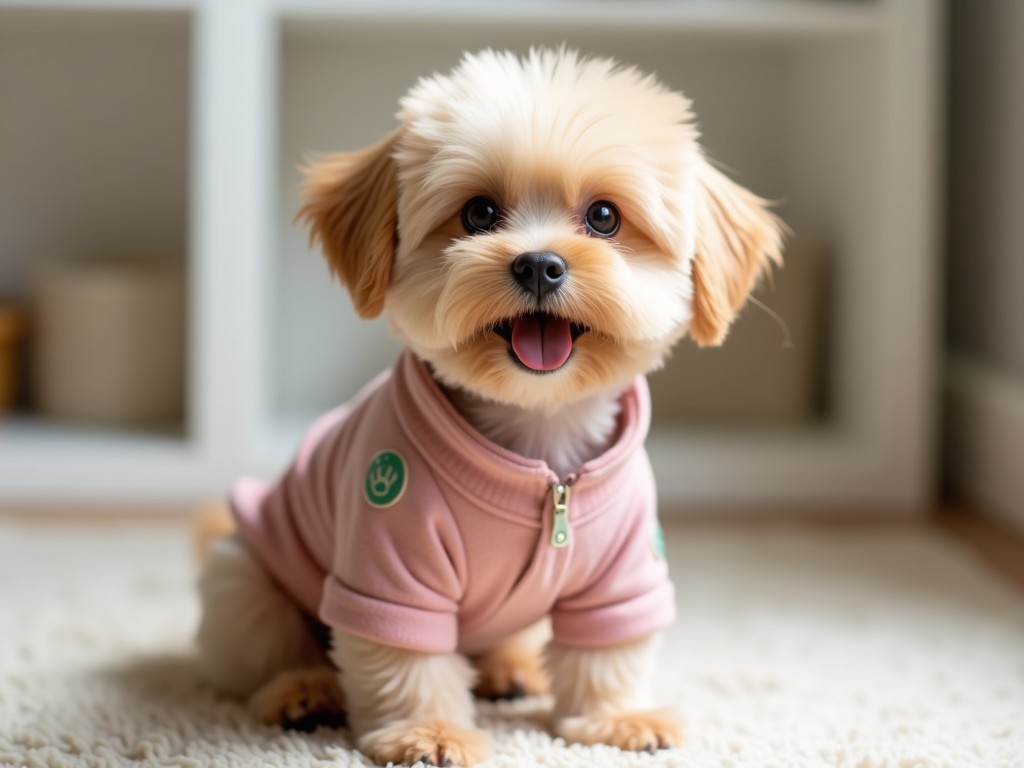
Small Dog Clothes Supplier for Sale
The industrial-scale manufacturing of apparel for small canine breeds requires precision engineering to accommodate the unique anatomical constraints of toy and miniature breeds. A professional small dog clothes supplier for sale must provide consistent sizing, material durability, and structural integrity to meet the demands of global distributors and OEM brands. This overview focuses on the technical specifications of textile selection and ergonomic pattern-making necessary for high-volume production environments.
Material selection is the primary factor in determining the performance of small-breed apparel. Small dogs often have higher susceptibility to thermal fluctuations, necessitating fabrics that offer specific thermal resistance values without sacrificing breathability. We evaluate materials based on their tensile strength, abrasion resistance, and recovery properties after repeated stretching.
| Material Type | Technical Property | Industrial Application |
|---|---|---|
| Polyester Fleece | High thermal insulation (R-value) | Winter-grade outer layers |
| Cotton Mesh | High moisture vapor transmission | Summer- base layers |
| Ripstop Nylon | High tear-strength resistance | Weather-resistant rain shells |
| Spandex Blend | Elastic recovery >200% | Athletic and compression gear |
Ergonomic Design and Fit Standards
Engineering for small-breeds prioritizes the range of motion at the scapula and the pelvic girdle. Standard human-centric garment logic fails when applied to canine anatomy, leading to restricted movement or skin irritation. Our patterns utilize ergonomic-cut geometries that prevent fabric bunching in the underarm area, ensuring the garment remains functional during rapid locomotion.
Precision measurement-mapping is calibrated to a tolerance of ±3mm to maintain consistency across high-volume runs. This level of accuracy is critical for distributors who rely on standardized sizing charts to minimize return rates. We focus specifically on the chest circumference, neck width, and back length as the primary data points for our breed-specific fit matrix.
Manufacturing Processes and Quality Control
The production line utilizes flatlock stitching techniques to minimize friction against the skin and increase the structural integrity of the seams. This method creates a flat-profile seam that reduces the risk of mechanical failure at high stress points. Industrial-grade core-spun threads are selected to prevent fraying, even when the garment undergoes multiple industrial laundering cycles.
Each garment undergoes a rigorous stress test on hardware attachment points to ensure buckles and snaps do not fail under mechanical load. We monitor the pull-strength of all fasteners to ensure they meet safety standards for pet-grade hardware. Visual inspection protocols check for color-fastness and seam alignment, ensuring that every unit matches the approved technical specifications.
Customization and OEM Services
OEM services allow for private-labeling and custom color-dyeing based on brand-specific Pantone standards. This enables distributors to maintain a cohesive visual identity while leveraging our technical manufacturing infrastructure. We can also provide bespoke sizing charts based on specific breed data provided by the client to target niche markets.
- Custom woven labeling and heat-transfer branding.
- Technical fabric sourcing for specific performance requirements.
- Specialized hardware integration (reflective trims, reinforced zippers).
- Prototype development and technical pattern feedback.
Industrial FAQ
What is the typical minimum order quantity (MOQ) for OEM projects?
MOQs vary based on material complexity and customization requirements, typically starting at 500 units per style/colorway for custom orders.
Can dimensions be customized for specific breeds?
Yes, we can adjust master patterns based on specific breed measurement data to ensure an optimized fit for non-standard anatomical profiles.
How are export shipments protected?
Shipments are packed in industrial moisture-barrier polybags and secured in reinforced corrugated cartons to prevent damage or contamination during international transit.
For technical specifications or to request a bulk quotation, contact our engineering department.
Request Technical Inquiry