Oem Pet Clothing Apparel Distributors
OEM pet clothing apparel distributors
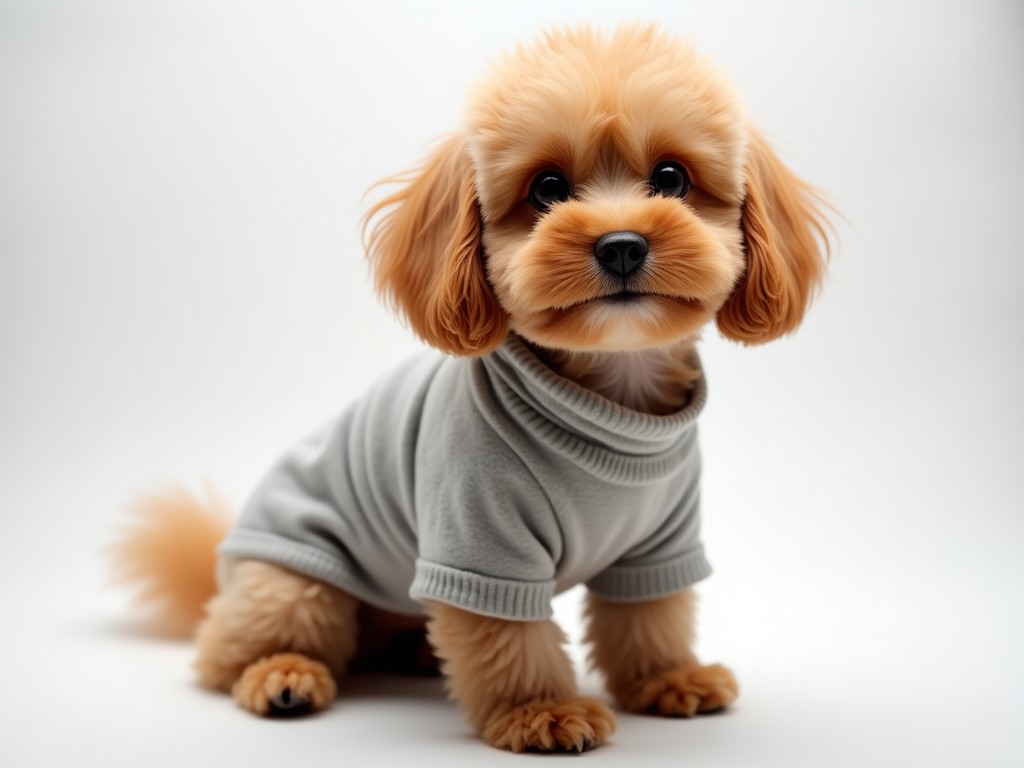
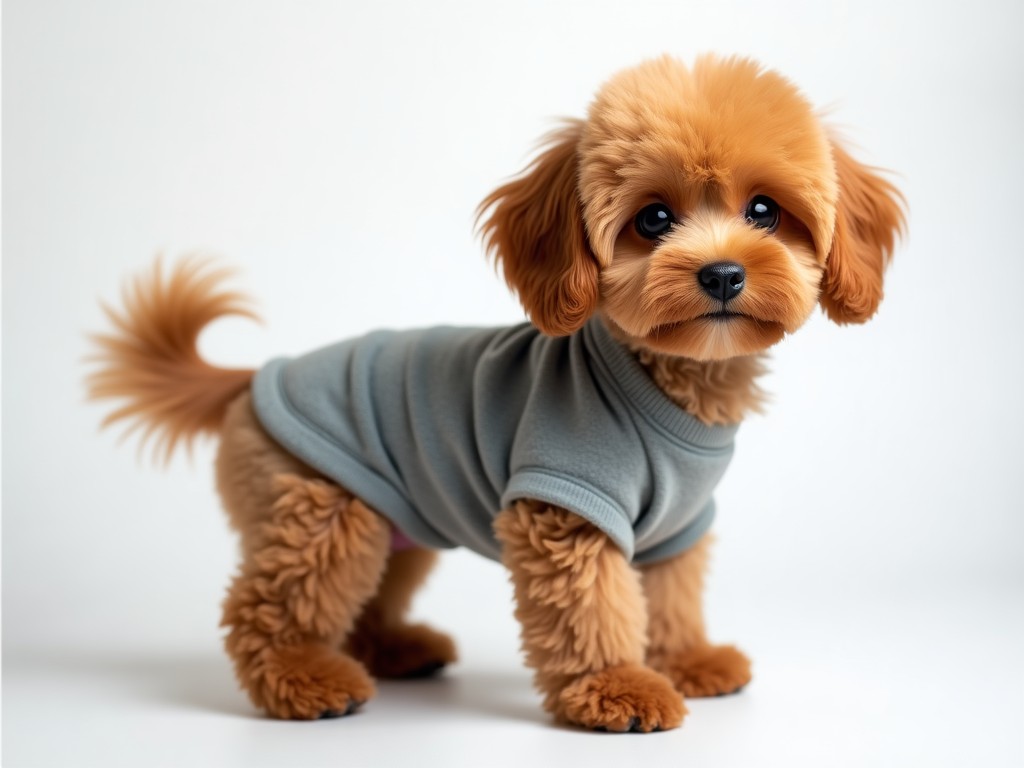
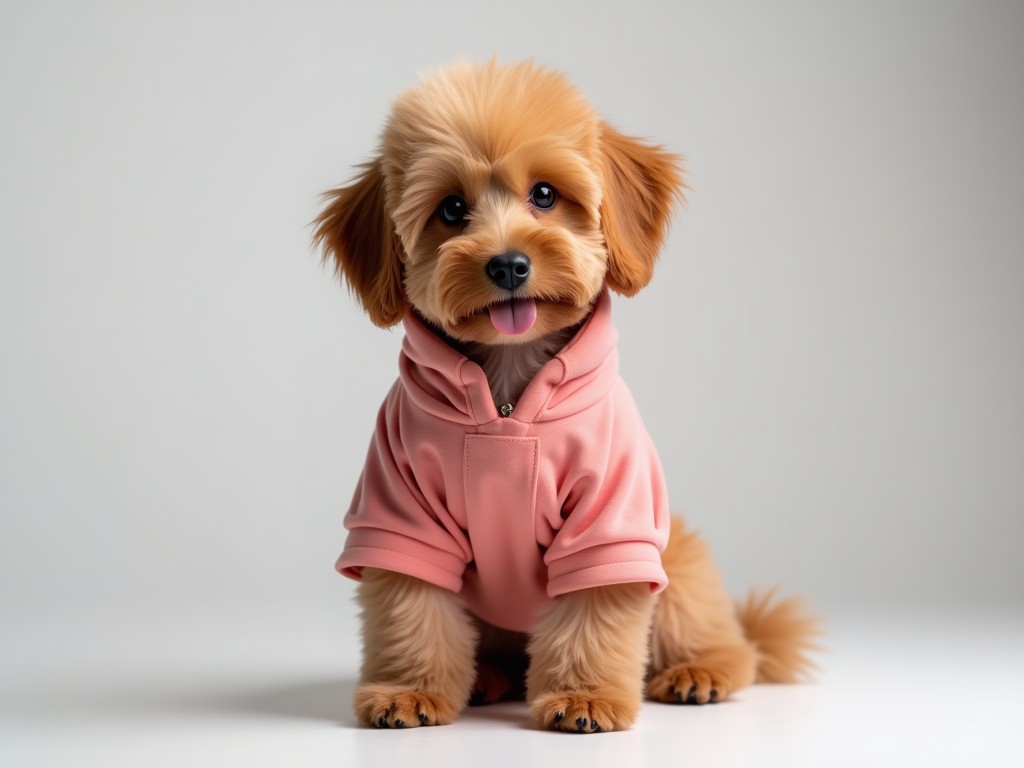
The global pet market has transitioned from simple aesthetic accessories to high-performance gear. Distributors seeking OEM pet clothing apparel must now navigate complex manufacturing requirements involving material science, ergonomic fit, and durability testing across diverse environmental conditions. Establishing a manufacturing partnership requires an understanding of how textile performance interacts with animal anatomy and ensures consistency across mass production cycles.
Technical Specifications for OEM Pet Apparel
| Material Type | Primary Application | Technical Property | Typical Specification |
|---|---|---|---|
| High-Density Polyester | Rainwear / Outer shells | Waterproof rating | 5000mm+ |
| Cellular Neoprene | Thermal /uits | Insulation value | 3mm-5mm thickness |
| Brushed Fleece | Winter lining | GSM weight | 280-400 GSM |
| Spandex-Blend Mesh | Active wear | Elastic recovery | >95% recovery |
Material Selection and Durability Standards
Material selection dictates the lifecycle and functional range of pet apparel. Moisture-wicking synthetic fibers are essential for active breeds to prevent heat buildup, which can lead to skin irritation. Conversely, for cold-weather gear, thermal-density fabrics provide the necessary R-value without restricting the animal's range of motion.
Tensile strength at the seams is another critical metric, as pet apparel undergoes high mechanical stress during movement and play. Manufacturers utilize reinforced bar-tacks and flatlock stitching to prevent chafing and structural failure under tension. Testing for colorfastness also ensures that dyed garments maintain visual integrity after repeated exposure to UV radiation and laundering cycles.
Customization Capabilities and Manufacturing Processes
OEM production allows distributors to differentiate through technical customization that goes beyond simple logo changes. Sublimation printing offers high-definition graphics that are chemically integrated into the fibers, maintaining the breathability of the fabric. Laser-cutting technologies provide precision for complex patterns, reducing material waste and preventing fraying at the edges.
- Anatomical pattern grading based on breed-specific morphology to ensure ergonomic fit.
- Reflective-integration for high-visibility safety standards.
- Customized hardware selection, including quick-release buckles and weather-sealed zippers.
- Modular design elements for adding additional thermal layers or storage.
Quality Control and Supply Chain Protocols
Reliability in the supply chain is built upon rigorous quality control checkpoints. Every batch typically undergoes dimensional inspection to ensure tolerances remain within a +/- 5mm margin of the master pattern. Safety protocols are paramount, specifically verifying that small components like buttons or tags are securely fastened to eliminate choking or entanglement hazards.
Sourcing raw materials allows distributors to verify that the fabrics used are hypoallergenic and flame-resistant. By maintaining transparent material origins, manufacturers mitigate the risk of chemical leaching from low-grade dyes. Detailed documentation of production runs ensures that the final product meets the regulatory requirements of various international markets.
FAQ
What is the typical MOQ for custom pet apparel orders?
Minimum order quantities vary based on the complexity of the design and material availability, typically ranging from 100 to 500 units per style.
How are samples handled before mass production?
Prototypes are developed using production-grade materials to verify fit, seam strength, and aesthetic accuracy before the final manufacturing run begins.
Are lead times adjustable for international shipping?
Standard lead times usually fall between 4 to 8 weeks, depending on material sourcing and the level of customization requested.
Are you ready to discuss the technical requirements for your pet apparel line?
Request a Technical Consultation