Custom Dog Apparel Wholesale Manufacturers
Custom Dog Apparel Wholesale Manufacturers
The manufacturing of custom dog apparel at scale requires a precise understanding of canine anatomy, textile science, and mechanical durability. Unlike standard human fashion, industrial-grade pet apparel must account for extreme ranges of motion, varying body compositions, and the environmental stressors of outdoor activity. Wholesale production focuses on translating design concepts into functional gear that maintains structural integrity under high-tensile performance across repeated wash cycles and high-activity periods.
Scaling production involves complex pattern grading to ensure consistent fit across diverse breed types, from deep-chested hounds to long-bodied breeds. Manufacturers prioritize the integration of reinforced stress points and ergonomic hardware to prevent failure, which could compromise the safety of the animal during active movement.
Material Selection and Textile Performance
Selecting the correct substrate is the primary factor in determining the performance lifecycle of the garment. Industrial-grade fabrics are selected based on breathability, moisture-wicking capabilities, and abrasion resistance. For high-performance outdoor gear, ripstop nylon is utilized for its high strength-to-weight ratio, while thermal layers rely on high-density fleece for insulation without excessive bulk.
Moisture management is achieved through the use of technical mesh linings that facilitate airflow and prevent skin irritation. Water-resistant layers often utilize DWR (Durable Water Repellent) coatings applied to the outer face without compromising the internal breathability of the base fabric.
| Material Type | Technical Property | Primary Application |
|---|---|---|
| Polyester Fleece | Thermal insulation / Soft hand | Winter-weather coats |
| Ripstop Nylon | Tear resistance / Low weight | Rain shells and tactical vests |
| Technical Mesh | High-volume air flow | Summer linings and padding |
| Cordura Blend | Extreme abrasion resistance | Heavy-duty work harnesses |
Customization Capabilities and Engineering Specifications
Customization in a wholesale context extends beyond aesthetics to include functional engineering. Sublimation printing is used for vibrant graphics because the dye is infused directly into the fibers, preventing cracking or fading over time. For branding, high-stitch-count embroidery is applied with reinforced backing to ensure the logo remains intact despite mechanical abrasion.
Construction methods are critical for long-term durability. Flatlock seams are utilized in high-friction areas to reduce chafing and increase the overall tensile strength. Hardware selection, such as quick-release side-buckles or YKK zippers, is evaluated based on the load-bearing requirements of the specific garment use-case.
- SPI (Stitches Per Inch): Maintained at 10-12 SPI for structural seams.
- Reinforcement: Bar-tack stitching at all load-bearing harness attachment points.
- Reflectivity: Integration of 3M reflective piping for low-visibility safety.
Quality Control and Inspection Standards
A rigorous quality control protocol ensures that every batch meets the specified technical tolerances before shipment. Testing begins with dimensional stability checks to ensure the garment does not shrink or distort significantly after industrial laundering cycles. Colorfastness is also verified against ISO standards to ensure visual consistency across large production runs.
Final inspection includes functional testing of all hardware, ensuring zippers operate smoothly without snagging and buckles secure under tension. This systematic approach to quality reduces the risk of product returns and protects brand reputation for distributors and OEMs.
Production Workflow and Logistics
The production cycle begins with digital pattern development and technical grading to ensure sizing accuracy. Once the specifications are finalized, a prototype is produced to test the fit and functional performance. Following prototype approval, manufacturing moves into bulk cutting, utilizing laser cutters to minimize fabric waste and ensure precision edges.
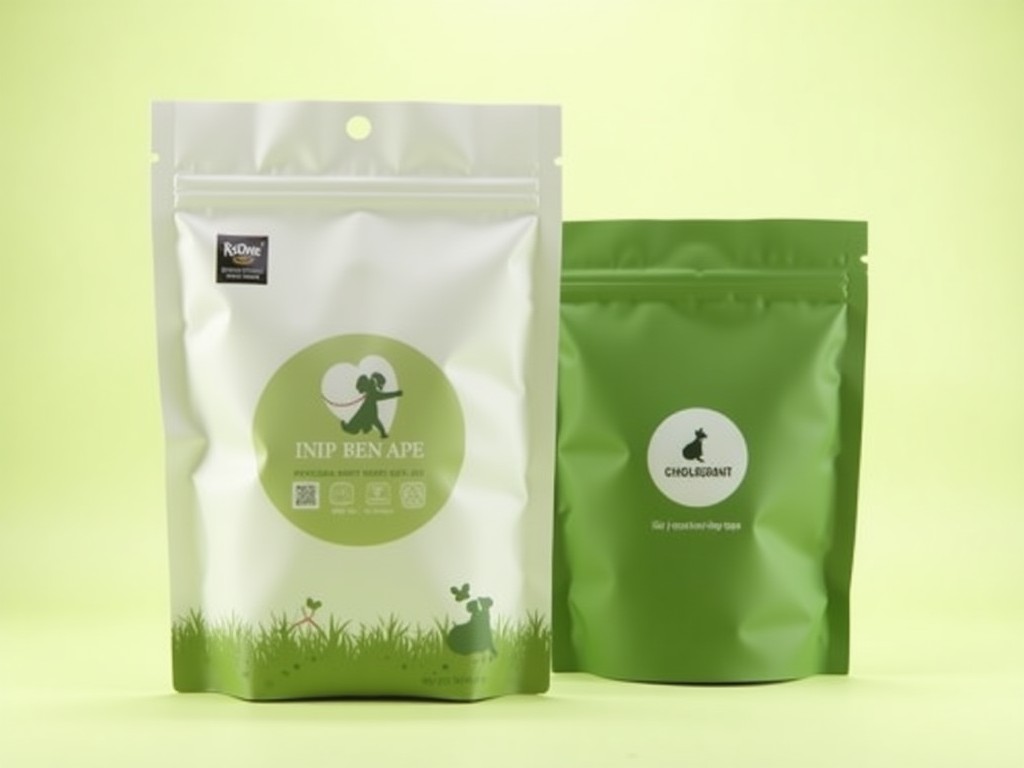
Logistics management is handled through specialized packaging that protects the garments from moisture and compression during transit. Wholesale orders are consolidated according to SKU-specific requirements to streamline inventory management for the retail or distribution partner.
Frequently Asked Questions
What is the minimum order quantity (MOQ) for custom designs?
MOQs vary based on the complexity of the garment and the specific fabric requirements. Standard wholesale runs typically start at 100 units per SKU, though specialized technical gear may require higher volumes.
How is sizing handled for different dog breeds?
We utilize a standardized grading system based on chest circumference, neck length, and back measurements. This ensures that a "Large" fits functionally across different breeds with similar proportions.
What is the typical lead time for bulk production?
Lead times generally range from 6 to 12 weeks after prototype approval, depending on material availability and current production capacity.
Ready to Initiate Your Project
Consult with our technical team to discuss your design specifications and receive a detailed manufacturing quote.
Request a Technical Quote