Custom Assistance Dog Vest Harness Supplier
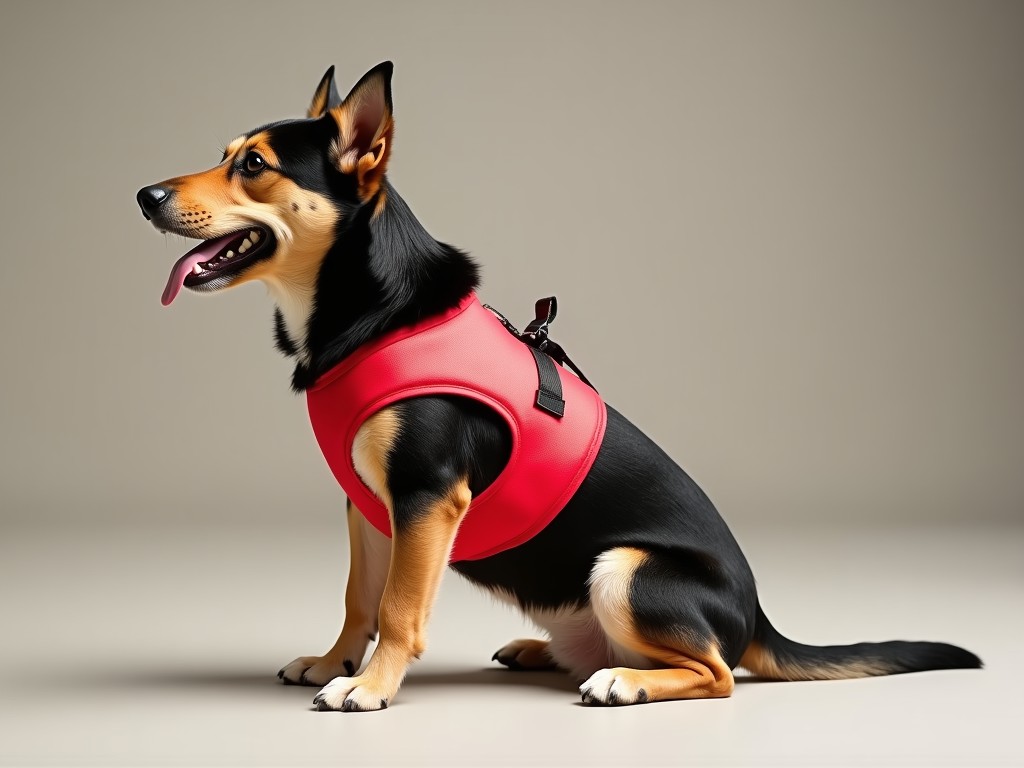
Custom Assistance Dog Vest Harness Supplier
Engineering functional equipment for service animals requires a precise understanding of canine anatomy, load distribution, and material fatigue under high-stress environments. Unlike standard consumer-grade apparel, industrial-grade assistance dog vests are engineered to facilitate mobility while providing structural support for task-specific gear. A specialized supplier must prioritize ergonomic alignment to ensure that the harness does not restrict the animal's range of motion or cause spinal pressure during prolonged use.
Material Science and Durability Specifications
The selection of textiles dictates the longevity and performance of the harness in the field. We utilize 500D to 1000D Cordura nylon for the primary chassis due to its high abrasion resistance and tensile-to-weight ratio. For environments requiring thermal regulation, high-density 3D air mesh is integrated to provide airflow channels, preventing heat buildup during intense physical activity.
- UV-Resistant Coating: Materials treated to prevent polymer degradation caused by prolonged exposure to sunlight.
- High-Tensile Webbing: Heavy-duty polyester webbing capable of withstanding significant pull-loads without fraying.
- Reflective Integration: 3M-grade reflective piping for high visibility in low-light industrial or urban settings.
- Water-Repellent Membranes: Internal linings that prevent water absorption to keep the weight constant in wet conditions.
Engineering Customization and Ergonomic Design
Customization in an industrial context refers to more than aesthetics; it involves technical specifications tailored to specific breed morphologies and task requirements. Each harness is designed based on measurements of chest girth, neck circumference, and back length to ensure the load is distributed across the sternum rather than the cervical vertebrae.
Modular attachment systems, such as MOLLE (Modular Lightweight Load-carrying Equipment), allow for the deployment of specialized medical kits, hydration pouches, or communication devices. Hardware selection is critical—we utilize acetal-polymer quick-release buckles and load-bearing D-rings to prevent mechanical failure under sudden shock loads.
| Feature | Standard Grade | Industrial Custom Grade |
|---|---|---|
| Primary Material | Standard Polyester | 500D-1000D Cordura |
| Stitching Method | Single Lockstitch | Reinforced Bar-tack Joints |
| Hardware | Plastic Buckles | Acetal Polymer / Stainless Steel |
| Load-Bearing Capacity | Light Duty | Customizable (Task-Specific) |
Industrial Applications
The application of assistance vests varies based on the operational environment where the animal works. In high-traffic industrial zones, vests serve as a visual indicator that the dog is working, preventing accidental interference with heavy machinery while providing a secure point for the handler to maintain control.
In emergency response and search operations, these harnesses must withstand de-contamination protocols and physical abrasion against rough terrain. The design ensures that the animal remains stable while the handler focuses on technical tasks, effectively reducing the risk of injury to both human and animal.
Quality Assurance and Manufacturing Protocol
Quality control involves a rigorous inspection of load-bearing points. Every seam is stress-tested to ensure that the stitching meets the specified tensile requirements for service work. We also perform checks on hardware alignment to ensure there are no points of friction that could lead to discomfort or skin irritation for the animal.
Frequently Asked Questions
What is the typical production lead time for a custom order?
Lead times generally range from 4 to 8 weeks depending on the complexity of the ergonomic engineering and the specific material requirements requested.
Can the harnesses be customized for specific breed sizes?
Yes, we utilize precise measurement templates based on chest girth and back length to ensure an optimal fit for any canine morphology.
How are the vests tested for durability?
We perform tensile strength testing on all attachment points and reinforce critical seams to ensure they can handle the dynamic loads of active service animal work.
Lead times generally range from 4 to 8 weeks depending on the complexity of the ergonomic engineering and the specific material requirements requested.
Yes, we utilize precise measurement templates based on chest girth and back length to ensure an optimal fit for any canine morphology.
We perform tensile strength testing on all attachment points and reinforce critical seams to ensure they can handle the dynamic loads of active service animal work.
Require technical specifications or a quote for your organization?
Request Technical Consultation