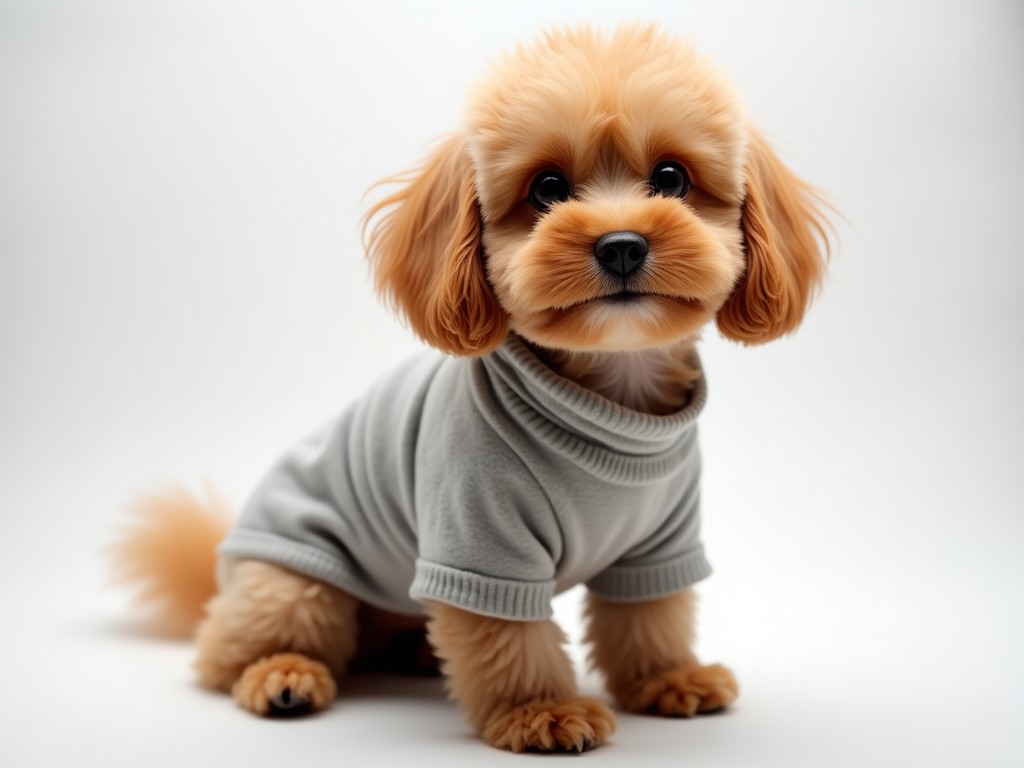
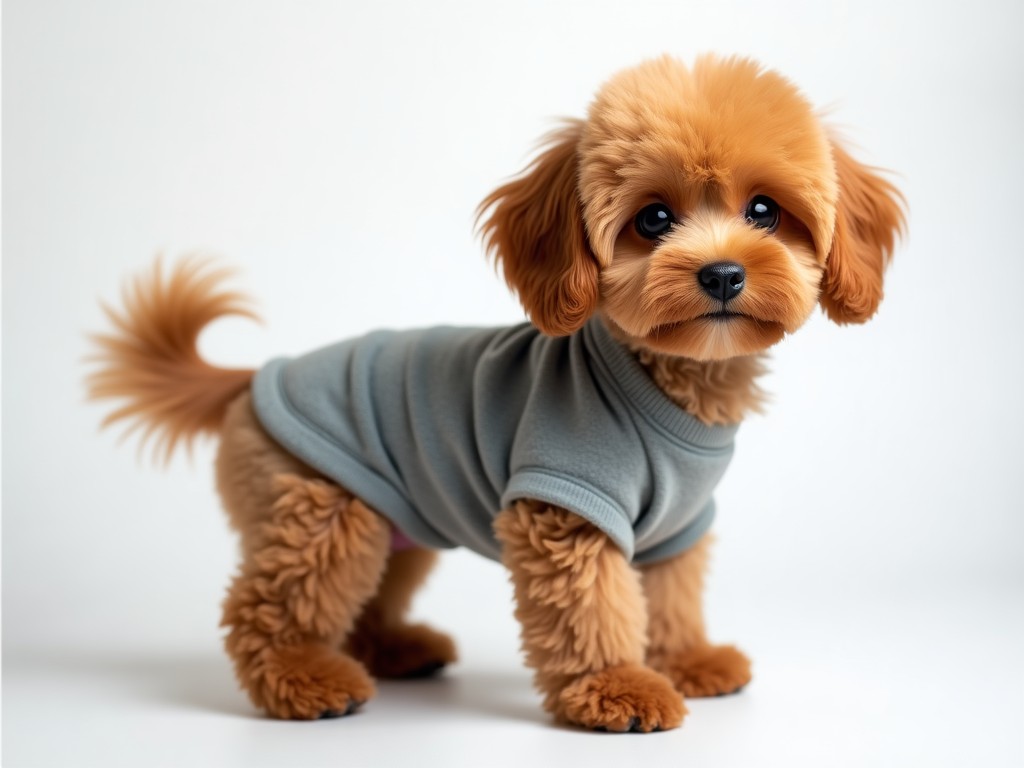
China Wholesale Dog Clothes Manufacturers
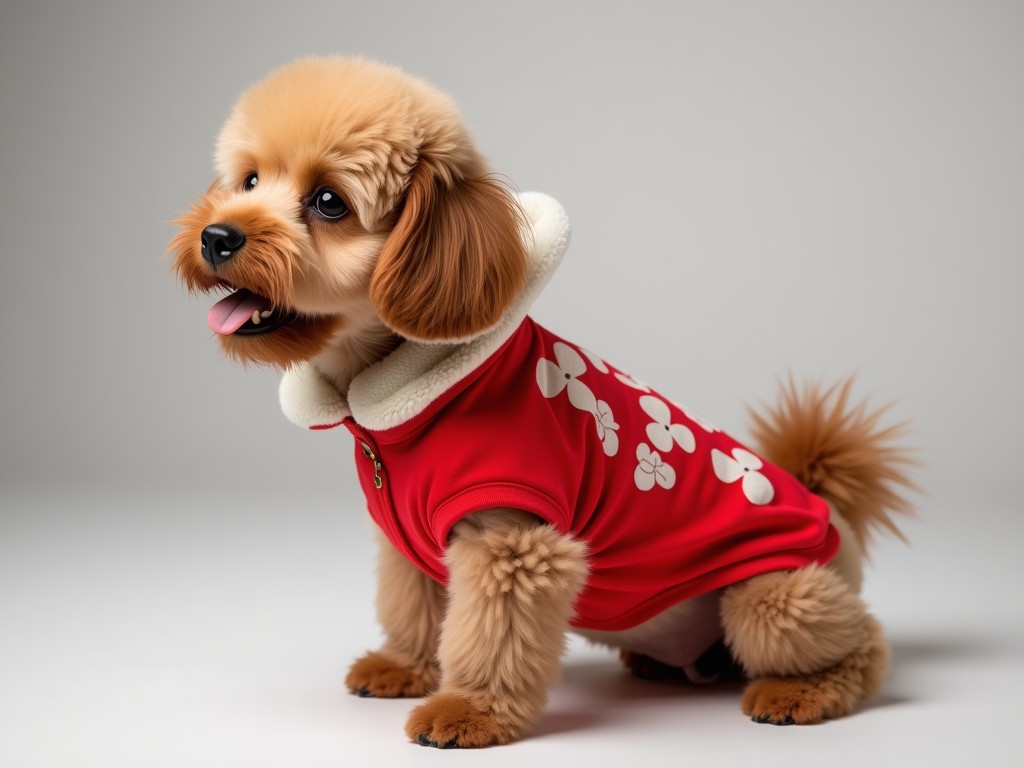
China Wholesale Dog Clothes Manufacturers: Technical Sourcing and Production Guide
The global pet apparel industry has transitioned from simple garment production to a complex manufacturing sector requiring precise textile engineering and ergonomic design. China wholesale dog clothes manufacturers operate within a sophisticated supply chain that integrates integrating raw material sourcing with high-capacity assembly lines. For procurement managers and OEM partners, understanding the technical nuances of these manufacturing hubs is essential for ensuring product durability and consumer safety in the competitive market.
Material Selection and Textile Engineering for Pet Apparel
Selecting the correct textile involves balancing thermal insulation with the physical activity levels of different canine breeds. Manufacturers typically categorize fabrics based on GSM (grams per square meter), tensile strength, and moisture-management capabilities. High-performance outerwear often utilizes ripstop nylon or oxford-weave polyester, while inner layers focus on high-pile polyester fleece for thermal retention.
Moisture-wicking properties are critical for active-wear to prevent overheating and skin irritation. Technical specifications for these fabrics include capillary action to pull sweat away from the animal's coat while maintaining airflow. Furthermore, waterproof resistance is often achieved through TPU (thermoplastic polyurethane) coatings or laminations, ensuring the garment remains dry during inclement exposure.
| Fabric Type | Durability Rating | Breathability | Primary Application |
|---|---|---|---|
| Polyester Fleece | Medium | High | Winter inner-layers |
| Ripstop Nylon | High | Medium | Rainwear/Outer shells |
| Cotton Blend | Low-Medium | Medium | Summer/Casual bandanas |
| Oxford Polyester | High | Low | Heavy-duty vests |
Manufacturing Processes and Quality Control Standards
Precision in pet apparel production begins with CNC laser cutting, which ensures dimensional consistency across large production runs. This technical approach is vital for maintaining the fit profile across different breed morphologies. During the assembly phase, industrial machines utilize four-thread overlock stitching, which provides the necessary elasticity and strength to withstand the mechanical stress of a moving dog without seam seams.
Quality control protocols in top-tier facilities involve multiple stages of inspection. Stress-testing seam-reinforced areas is common to ensure they do not fail under tension. Additionally, hardware components such as buckles, zippers, and snaps undergo pull-tests to verify load capacity and prevent mechanical failure that could potentially injure the pet.
Customization Capabilities and OEM Services
OEM and ODM services allow buyers to specify designs based on detailed tech packs. These documents must include precise measurements, Pantone color references, and material-specific requirements. Manufacturers often provide a range of branding solutions, including heat-transfer labels, woven tags, and screen printing directly onto the fabric.
- Custom sizing grading for specific breed groups (from Chihuahua to Great Dane).
- Reflective strip integration for night-time visibility and safety.
- Specialized hardware selection (e.g., rust-resistant zippers, quick-release buckles).
- Functional additions like harness-exit ports and reinforced pockets.
Logistics and Supply Chain Considerations
Navigating the wholesale landscape requires a clear understanding of lead times and shipping logistics. Production cycles typically vary based on the complexity of the garment and the volume of the order. For international shipments, manufacturers utilize moisture-barrier packaging and reinforced corrugated cardboard boxes to prevent mold growth during long-duration sea transit.
Procurement teams should evaluate FOB (Free on Board) versus CIF (Cost, Insurance, and Freight) terms to manage risk and costs effectively. Clear communication regarding the factory's production capacity ensures that inventory replenishment cycles align with seasonal market demand fluctuations.
Frequently Asked Questions
What information is required before a formal quotation?
A complete tech pack including sketches, material specifications (including GSM), hardware requirements, and order volume is necessary for an accurate price estimate.
What is the typical production lead time for wholesale orders?
Standard lead times generally range from 30 to 60 days depending on the complexity of the design and the availability of raw materials.
How is quality inspected during production?
Most manufacturers perform in-line inspections during sewing and a final random audit to check for dimensions and seam integrity before packaging.
Can samples be arranged before a full production run?
Yes, proto samples are typically produced to verify the fit and material feel before the mass manufacturing phase begins.
A complete tech pack including sketches, material specifications (including GSM), hardware requirements, and order volume is necessary for an accurate price estimate.
Standard lead times generally range from 30 to 60 days depending on the complexity of the design and the availability of raw materials.
Most manufacturers perform in-line inspections during sewing and a final random audit to check for dimensions and seam integrity before packaging.
Yes, proto samples are typically produced to verify the fit and material feel before the mass manufacturing phase begins.
Ready to discuss technical specifications for your pet apparel line?
Inquire for a Technical Quote