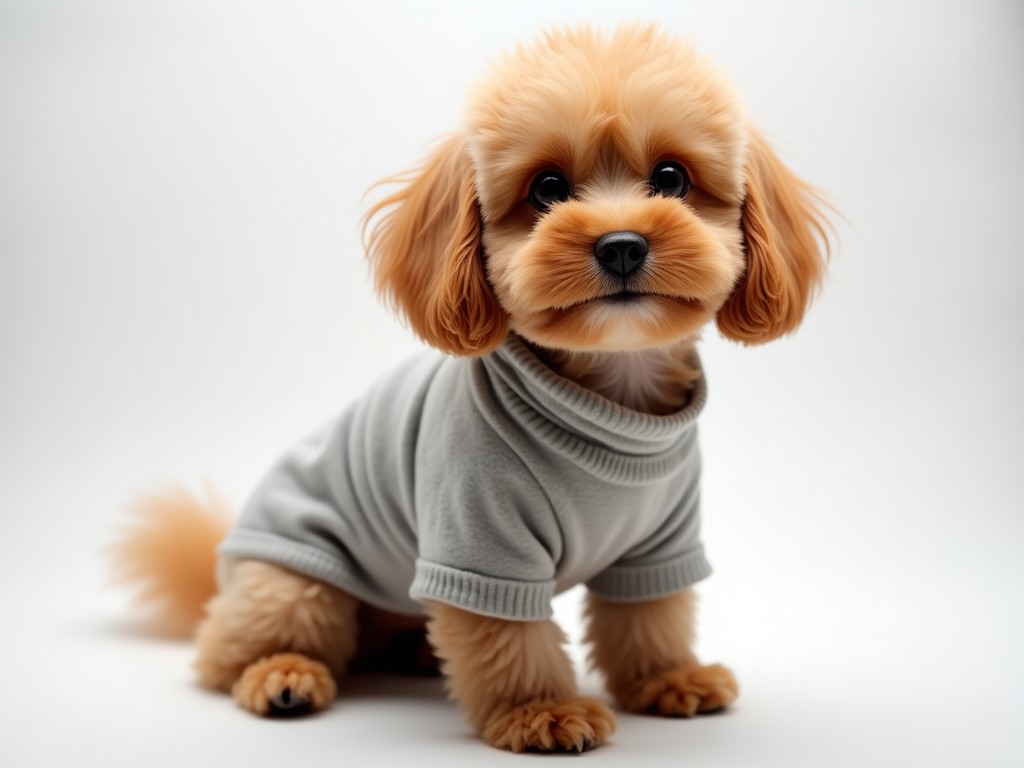
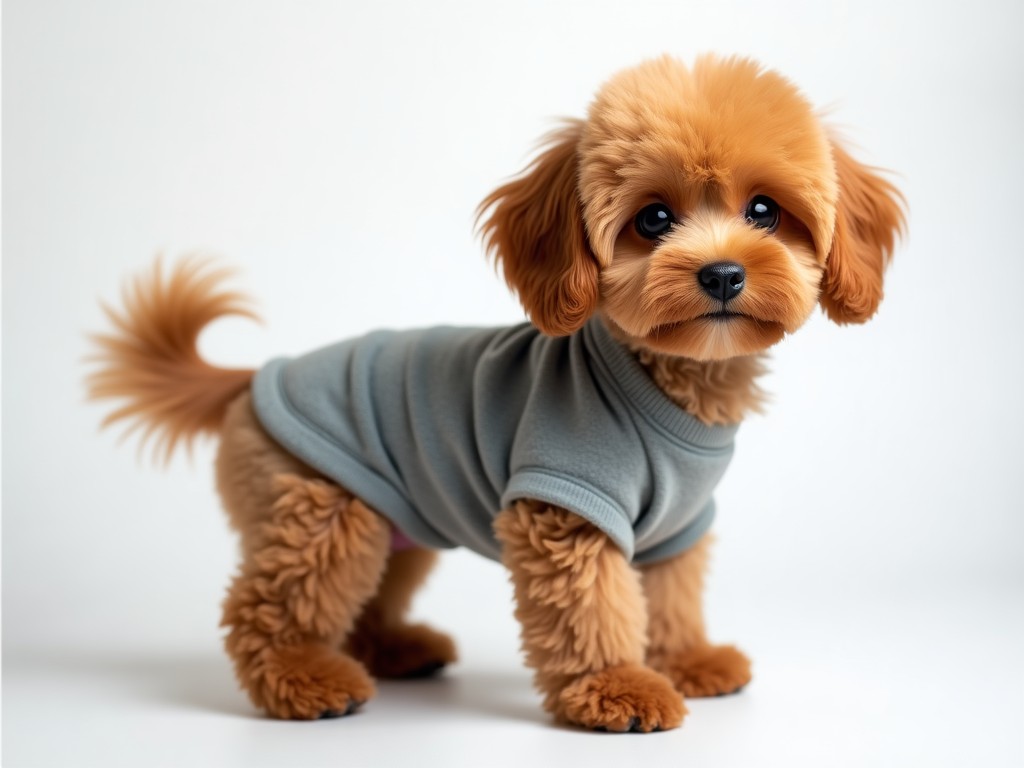
Bulk Blank Dog Clothes Wholesale Supplier
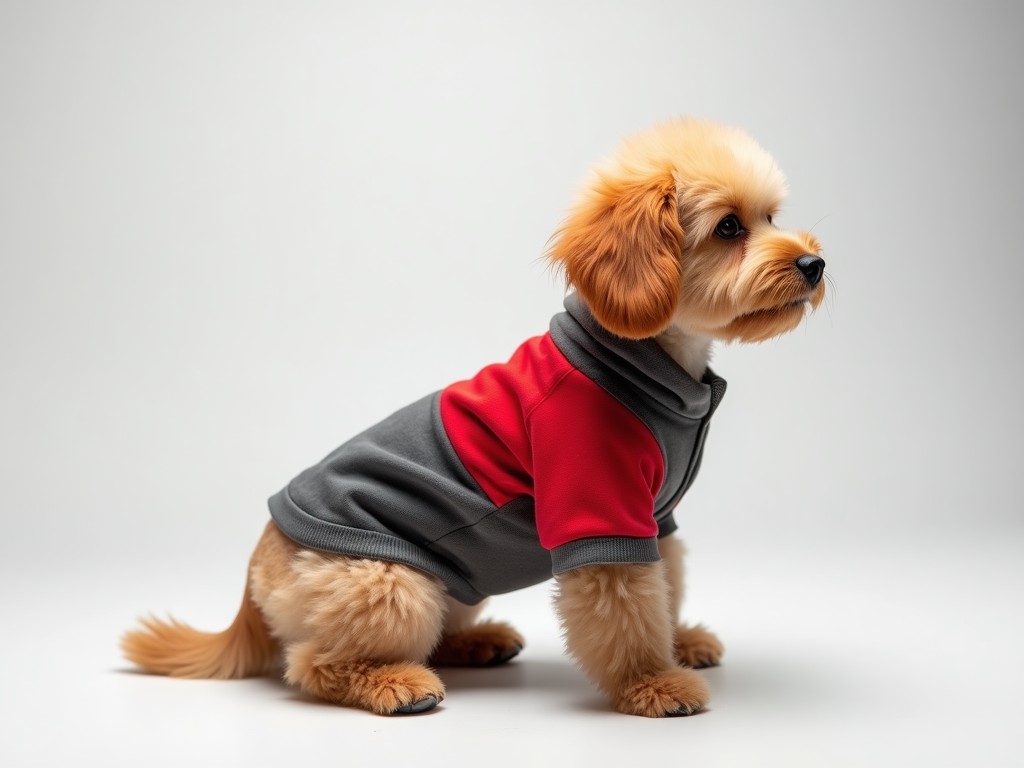
Bulk Blank Dog Clothes Wholesale Supplier
Procuring bulk blank pet apparel requires a deep understanding of material integrity and structural consistency across large-scale production runs. For industrial distributors and OEM brands, the blank garment serves as a foundational technical canvas that must withstand various branding processes and frequent-use cycles. High-quality wholesale sourcing ensures that the final product maintains its shape and color fastness, reducing the risk of returns and brand damage.
Material Selection and Specifications
Fabric selection hinges on the GSM (grams per square meter) and fiber composition relative to the intended use case. 100% combed cotton jersey offers high breathability for indoor wear, while polyester-cotton blends enhance moisture-wicking properties and tensile strength for active-outdoor gear. Selecting the correct textile involves balancing surface softness for animal skin against the mechanical resistance required for repeated industrial laundering.
Technical specifications for wholesale blank garments also include elasticity recovery rates. Incorporating elastane-blended rib-jersey weaves in high-stress zones ensures the garment conforms to different anatomical shapes without permanent deformation or bagging.
| Fabric Type | Typical GSM Range | Primary Benefit | Best Application |
|---|---|---|---|
| Combed Cotton Jersey | 150-180 GSM | Hypoallergenic & Softness | Casual Lifestyle Apparel |
| CVC Poly-Blend | 200-240 GSM | Durability & Quick Dry | Active/Outdoor Gear |
| French Fleece | 280-350 GSM | Thermal Insulation | Winter Weather Protection |
Engineering Design Standards
Structural integrity in canine clothing depends on anatomical precision and seam construction. Manufacturing processes utilize flatlock stitching in critical areas to minimize skin irritation and prevent seam failure under high-stress points like the chest underbelly and under-arm joints. Furthermore, reinforced necklines with overlocksting prevent the collar from stretching out of shape over time.
Sizing consistency is maintained through rigorous grade-rule templates, allowing for a tolerance of +/- 0.5cm across chest circumference and back length measurements. Each batch is audited against the master pattern to ensure that bulk orders receive uniform fitment across the entire inventory.
Customization Options for Bulk Orders
Blank garments are designed to accept various industrial decoration methods without compromising the fabric's integrity. Screen printing is optimized for high-volume orders due to its ink penetration and durability, while digital transfer to garment (DTG) is suitable for brands requiring high-detail photographic prints in smaller batches.
- Custom Woven Labels: For permanent branding and care instruction integration.
- Heat Transfer Vinyl: Ideal for vibrant, sharp geometric logos on synthetic blends.
- Embroidery: Provides premium tactile branding on heavier weight fleece fabrics.
- Sublimation Printing: For high-visibility performance polyester gear.
Quality Control and Supply Chain Logistics
Quality assurance protocols include pre-stage shrinkage testing and color fastness evaluation against ISO standards. This ensures that the bulk blank garments remain stable even after the branding process and multiple consumer-level wash cycles. Logistics for international shipments focus on moisture-barrier packaging to prevent mildew growth during long-duration maritime transit.
Standard lead times for wholesale orders are calculated based on the volume per SKU and the specific customization requirements. Transparency in production timelines allows procurement managers to forecast inventory levels and manage seasonal demand with high precision.
Frequently Asked Questions
What are the standard shrinkage tolerances for cotton blends?
Most pre-shrunk cotton blends are manufactured to a tolerance of less than 3% after industrial washes, ensuring sizing remains consistent for the consumer.
What information is required before receiving a bulk quotation?
Procurement teams should provide the fabric composition preference, target GSM, size breakdown, and any specific customization requirements to receive an accurate estimate.
How are export shipments protected during international transit?
Shipments are packed in double-layered polybags and placed in heavy-duty corrugated cartons to prevent moisture damage and mechanical abrasion during transit.
Requires technical data sheets or a custom bulk quote for your pet apparel line?
Contact Our Technical Sales Team